

AI, Trust, and the Future of Leadership: What We’re Getting Wrong
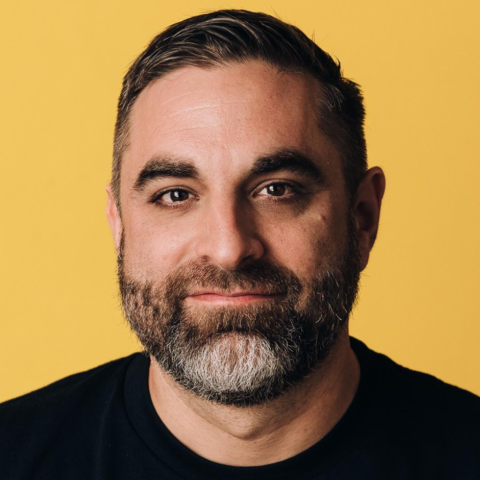

We’re at a tipping point. The promise of AI to amplify human judgment and creativity is here—but too many organizations are instead using it as a surveillance tool, and in doing so, they’re sending a message: “We don’t trust you.” Amy Centers walks us through what’s really at stake when leaders outsource tough decisions to algorithms, when productivity becomes presence, when brain‑states and nervous systems are treated as afterthoughts. If you’re leading people right now, this episode is your wake‑up call: you can’t just automate the work—you have to humanize it.
We dig into the trust gap between organizations and workers, the erosion of judgment when AI becomes a crutch, and what a next‑generation model of work looks like when it’s built around energy cycles, meaning and human capacity—not over‑attendance and endless context‑switching.

What You’ll Learn
- Why using AI as a policing tool undermines trust, autonomy and creative capability.
- What happens when leaders outsource judgment and lose their internal compass.
- How brain‑state, nervous system regulation and human rhythms will become a leadership competency.
- Why redefining value—beyond visibility and presence—is critical for the future of work.
- What the central hinge layer of organizational health really is (hint: it’s your managers).
Key Takeaways
- Trust is not optional: If your people feel monitored rather than empowered, the rollout of AI or workflow tools will magnify disengagement, not fix productivity.
- Don’t outsource your leadership muscle: Using algorithms for “hard calls” is an efficiency trap. Judgment, nuance and moral sense are the muscles leaders must flex—not offload.
- Work must align with biology, not machines: The best productivity happens when people get bursts of deep focus, built‑in recovery, and meaningful connection—not back‑to‑back meetings and endless email.
- Value what matters, not what’s visible: Showing up on camera isn’t the same as delivering impact—and leaders who cling to presence over contribution will get left behind.
- Fix the manager layer first: If your frontline managers aren’t supported, held accountable, and clear on their people‑leadership role, every other reform collapses.
Chapters
- 00:00 – The trust gap behind AI adoption
- 02:00 – Surveillance tech vs. creative agency
- 05:50 – The outdated 1950s workplace model
- 09:10 – The reality of “996” work culture
- 11:55 – Brain-state, burnout, and wasted energy
- 17:00 – The risk of outsourcing leadership judgment
- 20:45 – AI isn’t your friend—real connection still matters
- 23:25 – Leadership that regulates more than output
- 27:40 – Redefining productivity around energy, not hours
- 30:20 – Managers: the overlooked hinge of workplace health
- 34:15 – What “being human” really means at work
- 37:10 – Why critical thinking is the new leadership skill
- 38:20 – Rebuilding work: start with value and trust
Meet Our Guest

Amy Centers is the Founder of SmartWorks Lab, a modern consultancy that helps leaders and organizations thrive in the digitally accelerated, AI-driven world of work. An organizational psychologist, ICF-Certified Executive Coach and former Vice President of Client Transformation Solutions at Fuel50, she blends neuroscience, behavior design and real-world experience to equip senior leaders and talent teams with clarity, resilience and sustainable performance.
Related Links:
- Join the People Managing People Community
- Subscribe to the newsletter to get our latest articles and podcasts
- Check out this episode’s sponsor: Intuit QuickBooks Payroll
- Connect with Amy on LinkedIn
- Check out SmartWorks Lab
Related articles and podcasts:
David Rice: How is that trust gap shaping the way AI or even basic work practices at this point are being adopted?
Amy Centers: When organizations don't trust their people, and some of the AI they roll out are things like productivity tools and surveillance, it just magnifies the problem. It requires agency, right? And it requires time and creative energy to really figure out how to use it to build capability.
David Rice: So for leaders in particular, what's really at stake if they start letting algorithms make tough calls for them?
Amy Centers: We're at real risk for atrophy. And it's a little bit like how GPS has eroded our sense of direction. Over time, outsourcing judgment, I think is gonna start to erode on leaders' internal compass and their intuition, and there's a real danger there. The more we outsource hard calls, the more we risk building leaders who can't lead without a prompt.
David Rice: Instead of using AI to unlock human judgment and creativity, we're using it to police how people spend their time and what their output is. And it sort of just feels like a big misuse of the medium, right?
Amy Centers: We were always needing to have stability for survival, and our brains are still wired that way. There has to be awareness around people's nervous systems, frankly. We have to start thinking about..
David Rice: Welcome to the People Managing People Podcast — the show where we help leaders keep work human in the era of AI. My guest today is Amy Centers. She is an organizational psychologist and the founder of SmartWorks Lab. We're gonna be talking about AI's impact on people in the workplace and how we're managing what we're outsourcing to AI.
Amy, welcome!
Amy Centers: Aw. Thank you. It's great to be here. Looking forward to the conversation with you, David.
David Rice: Yeah. This is gonna be a good one. Well, when we were talking before this, we were talking about how like we're in this weird sort of moment where like, organizations don't trust their people and people don't trust the organizations.
How is that trust gap sort of shaping the way AI or even basic work practices at this point are being adopted?
Amy Centers: Yeah. Well, I think on the most fundamental level, not only is it impacting how people are using AI, in a lot of ways, it's impacting what they're using. And so when organizations don't trust their people, and some of the AI they roll out are things like productivity tools and surveillance, it just magnifies the problem, right?
So that's one piece of it. And the other thing about not trusting their people is. What I'm seeing a lot are organizations trying to dictate how people should use AI. But I mean, you use it a lot. I use it a lot. It requires agency, right? And it requires time and like creative energy to really figure out how to use it to build capability.
And I feel like it's a journey that you sort of have to. Go on your own. So if an organization sort of dictating that experience or putting so many guardrails or guidelines in place, like you're not gonna get the value, right? You're not gonna get the value. And then I've been doing a lot of research with Gartner and they keep showing data that says that productivity isn't like productivity.
A little bit can be enhanced by AI. Organizations far and wide are missing the mark in terms of how they actually could be getting value, and I think it's because of that lack of trust and the need to control, which is what I really think is a theme for kind of this business season right now.
Organizations are trying to control people and it ultimately doesn't work that well.
David Rice: No. It's, well, I always think like when leadership doesn't trust employees. Something like AI, it's gonna start to feel like surveillance, right? Like that's what they're gonna use it for. Everything's like a conspiracy to you when you don't trust leadership.
And then when leadership doesn't trust employees, AI does, like you said, it's all about control. It becomes another control tool. It's not like an empowerment layer. And so instead of using AI to unlock all these things that we keep saying are the big promise of it, right? Human judgment and creativity, we're using it to police, have people spend their time and what their output is.
It sort of just feels like a big misuse of the medium, right? Like AI adoption. It's not like a normal tech rollout. It's basically, in some ways it feels like a referendum on how much you trust your people to act with autonomy and freedom.
Amy Centers: It does, and then we're seeing, it feels like everything is constrained, right, and that's the opposite of what AI can be.
I mean, again, I'm going back to the two of us. We use it, right? We know that it can expand capacity in really powerful ways, but if you're not giving people agency and you're not trusting. Your fundamental belief system has to be that people are committed and they're passionate and they wanna do a good job.
If you don't have that as a fundamental belief, it's going to reverberate through everything you say and do. And that happens at the organizational level too, and it feels like that's the message that we're getting. Right. Especially around. I get the need for guardrails and protecting company data and all that stuff, but I think that there's so many now guardrails and restrictions in place that people are just going and doing everything on their private ChatGPT-5 anyway.
David Rice: Yeah, absolutely. And we've gotta adapt to a new way of doing things. And this is always hard, right? There's always gonna be glitches. It's gonna feel like a bumpy road. But it was interesting when we were speaking before this, you said to me it's sort of got some parallels between today's work models and sort of like the 1950s housewife economy.
Right? But like why do you think that we're still clinging to outdated structures when the rest of society and like technology and everything has just changed so dramatically.
Amy Centers: I think it's a different chapter, same book. I think it's about control, right? I think this return to office, there's a lot of studies that show that people are more productive at work, especially with deep thinking.
I mean, we know people sit in thin walled office environments and they're trying to do complex work, and they've got people popping in and they're going to the coffee cart and they're doing this and that. I think, and we can talk about this later too, but I think some of it is gonna come down to. Where people are in their brain states if they're creative or if they're more an automatic pilot.
But I think that these models are in place to control people, and I think that the pendulum. Rightfully swung too far in one direction post COVID and employees have a responsibility as well. You can't do all your Zoom calls with your camera off and not interact with people and, you know, with the depth and breadth of and all of those things, and.
Be taking hours outta your day to do laundry. I don't think people do that, but I do think that there has to be some responsibility both ways, but I think that this is the pendulum swinging really far in the other direction and people, you know, we've talked about it before. People are not only quiet cracking, they're loudly cracking.
Not to gender it, but especially women. You know, we talk about the 996 work week. Who's doing that? If you have kids, and I know from a capitalistic perspective, it's like, well, I didn't have your kids. It's not gonna get me shareholder value, but there's gotta be some balance, right? The future, it's gonna be tech confused, but if it's not human, if we can't actually operate in this space.
It's not gonna work. It's not gonna be sustainable.
David Rice: Yeah. Well, I mean that lack of communal thinking, right? Like I didn't have your kids like yeah, but that doesn't mean anybody should be punished for the fact that they did. You know? Like that's sort of like a cultural thing and like, you know, when I think about like how that is, I mean what I think's interesting about what we were just kinda mentioning there is like when you brought up the 1950s like housewife thing. I've thought of, it's comforting when you can have like really defined roles.
So in that case, it's like somebody's the breadwinner and then somebody's at home structuring and creating a household. Well, like we even want that at work, right? We all want this role that I understand and that I know what I'm supposed to do and that I have clear goals with my leaders, and my leaders are they're doing this.
So it's all clear roles, but what we're finding though is like a lot of roles are just getting muddied and everything's becoming really messy, and then leaders don't know what to essentially tell anybody. And so like that division of labor is weird. Predictable jobs are gone. And then we still reward things like presence over impact or like we structure hours, like productivity is like the conveyor belt productivity, but really everything runs now on adaptability.
Your ability to do context switching, the ability to like absorb insights and apply them, but in a way, the system, the way it's set up is kind of set up to punish those exact skills. So it's like, what do we do with that?
Amy Centers: Yeah. You know, just take this back a second. Just to give any listeners some additional context.
When I talk about the 1950s models and having a housewife is I, when we were talking previously, I was saying, you know, Jamie Dimon the head of JP Morgan, I think you know.
David Rice: Oh, Jamie Dimon. Yeah.
Amy Centers: Dimon, yeah. He was in the news several months ago saying, return to office. People aren't working. All these things, and I was saying.
He's probably have never had to like pick up a sick kid from school 'cause he is got a wife to do all the stuff. So this model really works for people who have the 1950s housewife, which most people don't have anymore. It was probably really helpful to have back in the day, but we don't have that anymore.
We have everybody trying to do it all. And the model is still built or predicated on this idea that you can just. Go to work from nine to nine, six days a week or whatever, you know? I mean, and I think the start of that conversation that you and I were having and that I was giving an example of somebody who said we're about to do redundancies, and it's sad to say we're starting to look at the people who leave at five or six or whatever, and I said, who are those people?
They're the people that have to pick up their kids from school and get dinner and do the sports and do all the things that are part of having a life. And again, all that works if you've got somebody home running all this stuff. But if you're that person and you're trying to do it all, it's just not working.
And so to your point with agency and creative thinking and all those things we keep telling people they're gonna have to employ to be in this tech infused environment and still provide value. How are you doing all the stuff?
David Rice: It could even be something as simple as the person doesn't see that well at night, and so they just wanna drive home while it's light. Like that person shouldn't be punished. You know what I mean?
Amy Centers: And we can get into this now or later, but we have about what, maybe five hours max on a good day of our prefrontal cortex, our deep thinking. And then we go to automatic pilot anyway. So you know what I think of the future of work is gonna be less of that time in front of a computer with that little green Microsoft light showing that you're there, right?
You're there, who knows what you're doing, but you're there. And really about how we can manage our brains in ways that are going to. Maximize the deep thinking, the creative thinking, the creative problem solving, and then move to automatic pilot when our brain does and do those kinds of activities. Maybe later in the day when we've got that dip or something.
But right now we get to work. We're going through our emails, we're going to back Zoom calls. Probably a large percentage of the meetings either could be an email or we don't need to be in them, and we're wasting the best part of our brain doing all that stuff. And then again, you know, 11 o'clock in the after or in the morning, or two o'clock in the afternoon, when we have to work on a project, we find ourselves going for our fifth cup of coffee and we can't focus because we squandered it all, right. So it's like, it's a weird thing.
David Rice: That's an interesting point that you bring up there about the whole prefrontal cortex, like the way the work is structured right now, you know, we sort of burned through it on, like you said, all this stuff that quite frankly, probably is not high value or, you know, we're not making the most of ourselves to sit down and do some complex thinking.
So, how does brain state management become like sort of the next frontier of leadership? Because I think if you told a lot of leaders that they gotta understand people's brains, the first thing they think is like, this is not what I got into this for.
Amy Centers: Totally. I, and I think we have to make it simpler for people.
We have to have different language. I was talking to somebody a couple weeks ago and he is like, you start talking about your brain at work, people are gonna just tune out. Like people don't wanna hear about it, but it's the reality of our biology. Right. Just to kind of hark back to something you'd said a few minutes ago, you were talking about we're in this constant state of change and how people are managing it and how they can actually be productive in this space.
It's really challenging because our biology is for constancy, right? Think about when we were cave people and you were out hunting, and I guess I was gathering something, I don't know. But we were always needing to have stability for survival, and our brains are still wired that way.
So we are in this space where day to day, moment to moment, second to second, these are in flux. People are struggling with that as well. And so I think that there has to be some awareness around systems. There has to be awareness around people's nervous systems, frankly. And then the brain state on top of it all. It's like, I guess the cherry on the Sunday or something, or probably the whole Sunday.
But my point is, what happens is. We have to start thinking about, or managers especially, start thinking about how to optimize people. Like that's what's gonna actually outperform. So I think when you say, how are you gonna get people to adapt to that or want to think about it, I think it's gonna be showing that people who do have some awareness will outperform leaders and their teams will outperform.
They'll know how to work with the rhythms, like bursts of deep focus, built in recovery, meaningful connection. They're gonna have better outcomes. And what do we know? Outcomes are pretty much the only thing that matters other than the performative theater that a lot of people spend doing during the day.
So there's like both, right?
David Rice: Yeah. No. Well, it's like we talk about productivity, like it's a software problem or something. But like you said, we're running on fried hardware, a lot of us. By the time you get done with all that stuff, all the catching up on emails, the meetings, the context switching, right?
Your best ideas, they're not gonna magically appear at 4:00 PM and then you pick 'em up the next morning. It doesn't work like that. And great leaders I think, are gonna be kind of brain state technicians in a way. And I know that sounds like. Maybe overly complicated to some people, but I think you're gonna have to curate your team's environment like a gardener, because AIS can allow people to do a lot of things fast.
The problem is that it can allow them to do a lot of things, and that in and of itself is a danger because they will start to do all kinds of things. We're not trained now to focus on one task. We all have a million screens. We're constantly switching even when we're not at work. You know what I mean?
Like I'm watching TV and then I'm on social media and then I'm over here, and then I'm helping my kid with his video games. And so we're constantly just sort of like engaging in all these different brain only things throughout the day. And so like if you want maximum productivity outta your people, I think you've gotta start thinking about it like cultivating this.
I mean, I'm calling it like a metaphorical garden, but like they're brain garden. You cannot be a task master anymore. It just doesn't work that way. You gotta design workflows. Then just let the deliverables, sort of like your people, if the workflows are right, the deliverables will follow. Obviously there's still some work to be done there, but like I think that's kinda where you wanna start.
It's gonna mean protecting thinking time, like you protect a financial budget. It's gonna mean recognizing that like burnout is just part of the problem. You know what I mean? It's system failure, not something to be like proud of and put on your LinkedIn.
Amy Centers: Totally. And it's system failure, and we're calling it human failure, right?
We get performance reviews. You know, right now we're all about optimizing and commoditizing people. I think the pendulum will eventually swing, and that's probably when this brain state conversation will start to get some traction because to your point. People aren't able to sustain it. You're just having to work with biology and the more we infuse with technology, I think the more this is gonna come to light. Right?
David Rice: Yeah.
Amy Centers: Again, talking about the 996 who's doing their best work at eight 30 at night after being like in front of a computer from nine in the morning, or probably even earlier than that. Like literally no one.
David Rice: Most people are barely present at that point.
Amy Centers: You know mean, I mean, you weren't barely present by 11:30 in the morning when they're starting at seven and they've had their commute and you know, when you were talking about task switching.
And I do think that's something people, and I try to be more conscious of it too, because every time you do it, it's like if you think about your brain as a battery, you're losing your battery power every time you task switch. And we do it so quickly, we're glancing at our phone. Checking an email, we're talking to somebody who just walked in the door and our brain needs about 20 seconds between all that.
So there's all this lag time, which also causes it to drink faster. So it's like, you're right, people and leaders especially are gonna have to be cognizant of that. And I do think though, that another piece of this is it has to root in what people's fundamental beliefs are about their people. And that people can manage their own brains and their own energy and their own the best of themselves.
And if they can't, if you. Verifiable truth that you can't trust your people, then that's its own issue, right? You shouldn't have teams full of people. I say sometimes one of the most powerful things that a former leader said to me, and I've not been working there that long, but I was trying to kind of, you know, CYA something.
She's like, stop. I totally trust you. And it was like, ask how wait. You trust me? You trust my judgment. You trust my decision making. You trust that I'm gonna do the right thing. Are you kidding? Okay.
David Rice: It's always a big relief.
Amy Centers: And then you rise to the occasion. That doesn't always happen, but it happens more times than the surveillance culture and the command and control and the position authority that we're currently trying to use to motivate people.
And we wonder why, I mean, I would love if there was a study on like how people waste their time at work because it's gotta be massive chunks of it.
David Rice: Managing people means managing complexity, payroll, time tracking, finances. And when your tools don't talk to each other, that complexity multiplies. Intuit QuickBooks Payroll simplifies it. This isn't just for accounting. QuickBooks Payroll is so much more. It brings everything together. Payroll, time tracking, HR, and accounting. It's all in one seamless platform, without switching systems or adding complexity to your already complex job. So you can help manage and grow your team with confidence. Better systems lead to better management and better workplaces. Discover how QuickBooks Payroll can help you today. Learn more by going to quickbooks.com/payroll. That's quickbooks.com/payroll.
There's a part of me that thinks the 996 thing is really just a way to create more work time so that you can compensate, so to speak, for the amount of time people spend on their phone, on, you know, socializing and whatever. I would argue that like you just need some policies in place around certain types of, you know, activity or like in terms of the phone and all that.
But also like the socializing is maybe don't think of it as a waste 'cause it's probably a good thing for your team. It's good thing for everybody's brains involved to make a little time for connection. It's okay if they just sit down and talk for a bit. There's value in that. It's gonna help them work together better.
It's gonna help them work more efficiently on their own. And yeah, I think about, you know, like what are we outsourcing to AI? One of the things that's happening right now is we're outsourcing social time. We're talking to it. Why don't we just talk to, you should be outsourcing, like things that you have to do for work to it.
Sure. But the connection, the talking, the connecting with people, that's meant to be the part that you're freed up to do, or at least in theory.
Amy Centers: It's a very dangerous slope to be honest with you about the connectivity with AI because generally speaking, it's nicer than a lot of people we know. Yeah, that's a more empathetic, it beautifully frames things for us, so it can, I think, be a little bit like a drug where we're getting a lot of validation and it makes us feel good about ourselves to be interfacing with this LLM.
Not really intelligence, right, but it mimics it. And so to your point, is there gonna be, you know, I always feel like every time there's this new sort of thing with humans, we do it really badly before we do it better. And I do think that there's gonna be more social isolation and prioritizing AI over humans.
I think we'll go through all of that, but then we'll come back, I think, to really valuing what's human. Because our brains actually want that. You know, we talked about this before. I'm now already craving a messy, individualized LinkedIn post versus a beautifully polished bU with all the end of emojis AI post. I'm glad.
David Rice: But here's the thing. No, I'm just.
Amy Centers: Exactly. So I think we'll get there, but we probably will have a bit of messiness around the humanity of it all. But you know, going back to that nine to nine, allowing for people to do things during the day, that's, again, taking agency away from people and it's like creating a symptom rather than solving the problem. Right.
David Rice: So for leaders in particular though, I'm curious. When it comes to like outsourcing your intuition to AI a little bit, because this is something that I think we'll be at risk of as more leaders start to experiment and find ways to use it. Like what's really at stake if they start letting algorithms make tough calls for them?
Amy Centers: Yeah, I think we're at real risk for atrophy, and it's a little bit like how GPS has eroded our sense of direction. And so over time, outsourcing judgment I think is gonna start to erode on leaders' internal compass and their intuition. And there's a real danger there that, because then organizations might become technically efficient but morally hollow.
So the more we outsource hard calls, the more we risk building leaders who can't lead without a prompt. So I think that there's a real risk there that is gonna need some attention because again, our brains like to shortcut. They're very efficient. So some things easier. Oh, I have to have this difficult conversation with my employee.
Here's what happened. What should I say? It's a really easy thing to do. If you keep doing it over time, I think we're gonna lose that ability.
David Rice: Yeah. I think the thing that concerns me about this is sort of like the erosion of discernment leaders. If you start handing over hard calls to AI, you're sort of stepping out of that zone of discomfort where quite frankly, leadership lives.
That's kind of what the point of it is. In a lot of ways, it's not like intuition isn't like vibe coding or something like it's pattern recognition that you've honed through experience most of the time. Right. And yeah, AI can give you like patterns to follow, but it's not gonna be able to weigh up things like ethics, context, consequence in like a really human way.
And I just feel like if we just let algorithms take the wheel, you know. It's like you're avoiding responsibility in the same way people who are avoiding work. You know what I mean? Like everybody's just doing it now, but you're also weakening your own capacity to lead. And there will be a price tag at some point.
The chickens always come home to roost, right, so.
Amy Centers: I think that leadership will shift a lot. And potentially a distinguishing feature of leaders who do leadership well will be how they manage for sure. People's like productivity through like brain optimization, the stuff that we talked about, but also like a little bit like nervous system regulation.
I mean, have you ever had a call with a leader or a meeting with a leader and you leave and go jump on LinkedIn to see if there's any jobs open.
David Rice: Or you immediately start doing the breath work to steady yourself?
Amy Centers: Yeah. You go into parasympathetic or there's so many things where leaders can get away kind of right now with some really bad behavior.
You know, publicly humiliating, even if they don't mean to people on their team or the way that their fundamental belief system shifts, how they lead people. There's a lot of stuff that's happening. Leaders struggle right now. They're generally not supported. We know that people get promoted 'cause they do really well at their individual contributor job.
And then it's like, oh, do that less, but do it through other people. Like you don't have necessarily the tools. There's a lot of personality issues and ego, I think that erode leadership, so it's really messy. There's a lot of things, but I think in the future where we are kind of, intelligence is flattened and language is flattened and we're seeking individuality, I think the leaders who are gonna thrive are one, the ones who have a distinctive voice and a point of view that is gonna separate them from the AI slop that we're gonna see.
Also those leaders that create, and I hate to use this term 'cause it's so overused and really out of fashion, but psychological safety with their people. Where people feel like they have control over their day and their time, and that they can do their best work and that someone believes in them, and that when they do have problems, that there's trust.
One of the things about trust in work is I think it cannot be overrated because what trust does is it shortcuts relationships, right? Like if we have trust. I do or say something that's messy to you, you're gonna step over it faster because you know, we have a fundamental trust. It just shortcuts everything.
When trust erodes, it makes everything more bureaucratic and difficult and you don't really like look through the lens of positive intent and all kinds of stuff, right? So I think that ability to cultivate trusted relationships and partnerships with people. It's gonna be probably the most important leadership quality, and that's the hardest one, because it requires emotional intelligence, not just in theory, but in the moment when you're triggered.
But you have to be graceful, right? Or you're stressed, or you've got all this burnout or you're fatigued, but you have to actually show up really present. That stuff's gonna be hard, but I think that's gonna be the future of effective leadership.
David Rice: I would agree. We're seeing people crack under sort of the current models, and yet as you've said, you know, in this conversation right here, like we still have people pushing this 996 idea, right?
For those who are bad at math, that's a 72 hour work week. That's to me absurd. But I'm curious from your perspective, like what does the healthy middle ground for productivity really look like?
Amy Centers: Yeah, so I think the middle ground isn't about hours. It's about energy cycles, right? So productivity thrives in organizations when work is aligned with human rhythms, kind of all the stuff that we're talking about.
So again, going back to that burst of deep focus, built in recovery, meaningful connection, like all those things are really gonna optimize work. I think what we're gonna realize is we're gonna have to shift to some biology awareness or brain state awareness. That's why I created my BQ model, right? Like knowing kind of how we are in the day.
I think we're gonna be forced to do it because we already feel like our nervous systems in general are on edge. I don't know if I said this to you when we talked before, but from 1990 to 2019, anxiety increased 50% and then went up another 25 during COVID. I mean, you talk to anybody. Now everybody has some level of anxiety.
It's because we're working in systems that aren't in harmony with who we are as humans and the pace of technological changes, this is the slowest pace we're ever gonna encounter. It's only gonna get faster. Right. I've said to you before, we're at the edge of the shore, there's a tsunami. It's looking at us.
We can see it hasn't come to, you know, wash over us yet, but are we gonna go for high ground? I don't know. We might get washed away, but my whole point is. We don't even know where we're gonna be in two years, five years. Right. With the pace of change, the instability of everything, and people are having to try to find some level of constancy so that they can just exhale and relax.
It's really hard. Right. So I think we're gonna kind of be forced to carve out that awareness in ways that maybe we haven't had to think about in the past.
David Rice: Yeah. And I think to add to that, I'd say like, you've gotta have purpose built into it. It's not about grinding less or grinding more necessarily, but like what are people grinding for?
What is the point of all this? A healthy model for productivity balances, output with meaning and recovery, right? So enough cognitive rest, some clear prioritization. And then I think what we're talking about to the part of the theme of this episode is the freedom to solve problems with creativity, not just speed.
So all of those things combined, I think we'll see people not working less, but just working more in rhythm with one another, more in rhythm with what makes sense for them. And then you can have like more intense sprints of productivity followed by some decompression, not just this like endless linear pressure that just never goes away.
I don't think that is ever productive.
Amy Centers: No, and I, you know, I've seen the model work. Kind of going back to that leader who said, you know, that she trusted me out the gate explicitly, like implicitly or whatever, it was like full trust. You know, that was a company where sometimes I had to get up and be in full makeup and deliver a webinar to hundreds of people at two in the morning because it was a global company.
And I would happily do it because there were times when I needed some downtime to do X, Y, Z, and I had it because my leader managed for results, not time. Right? Managed for time. People will give you it. Why are they gonna give you the best at themselves? I mean, you know, Gallup's been measuring engagement for what, I don't know, 50 years. I think it just keeps declining, right?
Does engagement ultimately is discretionary effort. Am I gonna give you the minimum of my day or am I gonna give you the best of me? Or a big chunk of the best of me. People only do that when they really love working for their leader. They feel like they're trusted. They're giving agency in their day and their work, and they're valued, right?
If that's not clear to an employee, you're probably gonna get their time begrudgingly, but you're not gonna get the best of 'em. We know this, but I don't know. We keep doing the same, same thing.
David Rice: When you brought up the APAC webinars at four o'clock in the morning, I was triggered 'cause I do not miss that at all.
Amy Centers: You know? But again, you get the job done when you're, when purpose and meaning and all of the things that are in alignment.
David Rice: I wanna go back to something you said before. You were talking about how the term psychological safety is overused and I want to bring up another sort of like overused. Not a term, but maybe in an axiom, so to speak.
Right? We keep saying the most successful leaders in the future, they'll be the most human. What does that mean in an age where communication and ideas are in some ways being flattened or you know, at least put through the press of an AI output, right? Everybody's even using it for emails. What does it mean to be human in this era?
Amy Centers: Yeah. Well, I think we have to start by realizing that it can't just be empathy or vulnerability, because AI is already mimicking that language, right? What it can't replicate is embodied presence. How a, you know, going back to what I had earlier said, how a leader's nervous system regulates the room. How they notice subtle cues, right?
How they create true psychological safety. So being human isn't about the right words 'cause AI can come up with much better praising, but it's about how your nervous system lands on others. And you know, I used to facilitate a lot of EQ sessions and I would say like, and this is true, the higher you go up, the bigger the splash, but like.
The metaphor I like is if you're a ship in the ocean and it's really wavy and it's a bad storm, if you're not anchored, you're gonna go wherever the waves are taking you. That boat's gonna rock all over the place, right? And everybody on board is gonna get seasick. And that's why I think it's so important that leaders center themselves, because there's all kinds of incoming stimuli all day that's gonna trigger people, right?
But if you can find ways to stay in grace and be centered and not be at the mercy of all these external impacts, you can really show up for people in a way that inspires trust. And I think that's the stuff that is gonna be really important. People can get away with saying really beautiful things.
There's all kinds of leadership wisdom that's on LinkedIn and it's all AI generated, but how people are actually showing up in real life moment to moment, working through difficult situations with other humans and interfacing with complex work that's gonna be the work of a leader.
David Rice: Yeah I would agree with that.
And I also say like, it used to always seem like being a leader was about having the answers. I don't think that's the case anymore. Right? Like we just published recently an interview and in it, the gentleman we interviewed, he was talking about your ability to ask better questions. And I think that is something that's gonna be increasingly important because it can mimic knowledge, but it doesn't have a sense of instinct or like the nuanced understanding of something, right?
And it doesn't know how to actually lead with empathy. Like it can give you empathetic phrasing. Like you said, it can give you a nice order of words, but like it doesn't have a nervous system to regulate the room, so this is part of what you're doing is like mastering this so that you can get the results that your team is looking for.
And I think it means leaning into ambiguity, being okay with discomfort. And you know what? I think it's also gonna be making room for some creativity that's just not that efficient.
Amy Centers: Totally. Which is why it kind of goes back to the original conversation about AI works really well if you let people experiment and be messy and make mistakes and do different things and gets it into a rhythm of how it actually can work for them specifically.
Right. And I think that's true for work as well. I think that's one of the things, you know. I saw a post about this morning. I've been seeing a conversation more and more start to form around. The idea of artificial intelligence is such a misnomer, and it, I think, really can set people on the wrong path because you have to look at the tool as an LLM, you have to look at it as a large language model.
All it's doing is piecing together words that it thinks people wanna hear. So when you look at it through that lens, I think you treat it differently. Right. And if people are thinking it's actual intelligence that it's gonna, I've had, you know, it generate mistakes for me in a question that I asked somebody that didn't really work for the context and, you know, shame on me.
Right. Critical. Well, the other.
David Rice: Well, the thing is like if you're trying to move fast, it's gonna happen at some point. You know what I mean, like.
Amy Centers: That, the implications when you look like an idiot asking a question for context or something. Critical thinking. We talk a lot about what skills are people gonna need and we banter it around so much that it all becomes buzzwordy, right?
And then we ignore it. But I really think ability to think critically is gonna be one of the most important things. And unfortunately, I haven't seen great displays about thus far. Like if you just go on Facebook and people are putting, like, I don't own the rights to this music, that somehow it dismisses any kind of copyright law or.
The P were in a baseball cap, so was that good or bad? Like people aren't even looking to see if things are AI generated. They're just buying things wholesale. So I really think that critical thinking is struggling. And it's gonna be something that's really important moving forward.
David Rice: Well, one of my concerns about nuanced understanding is I'm like, we're also getting worse at nuance. So I'm like, how many of us are fit to lead? You know what I mean? Like that's.
Amy Centers: Yeah.
David Rice: It is gonna be an issue.
Amy Centers: Wow. We're gonna have to, as people dig deep and find some discipline for ourselves. You know, when we were talking about leader behaviors, one of the things that's difficult is I think all of us as humans have a tendency to be like, but I'm not like that.
You talk about EQ and it's like very few people wake up every day, get their coffee and think, I'm gonna go into work and terrorize people. It's not their intent, but it happens, right? It does happen. And so people tend to dismiss their own behavior, right? We filter for our intent. And other people's visible behavior and that gap can be really problematic in terms of how we show up. Right?
David Rice: No, absolutely. We're gonna wrap up here. But before we go, I want to ask you one last question and it's, if you were to burn it all down, what's the first pillar of work you'd rebuild differently?
Amy Centers: I would start with manager accountability. I think that most dysfunction cascades from managers. They're too often unsupported, underdeveloped.
They're not held accountable for how they lead. If you don't fix that hinge layer, every other reform like engagement skills, AI adoption, it all collapses. So if I were to burn it all down, which is my book title, I started rebuilding the manager role and 'cause it's the hinge between like strategy and human experience.
David Rice: Yeah.
Amy Centers: They need support, but they, I think the accountability thing is also really important. I mean, how many times have we seen entire teams cycle out of a company before the manager behavior gets addressed?
David Rice: Absolutely. I was thinking about this as I was creating that question, like I was sitting there, right, typing it into the email and I thought.
What would I rebuild? And I think I'd wanna start with how we define value because we treat visibility as value right now. Like if I see you online, I see you in the office or in meetings, I assume you're contributing. We know that remote employees are having a different experience from in-office employees, right?
I think I'd want to try to flip that a little bit and build a work model that's more like, depth is visible. So contribution is measured by things like clarity, creativity, obviously impact, but not calendar Invites are, you know, things attended essentially. Because I feel like if we get the foundation right, all the rest of it has a much better chance of aligning, but it's gotta be about.
Finally moving away. I mean, we, I just saw another big return to office announcement and I'm thinking to myself, and this is a company that's heavily saying that it's using AI. AI is inherently, you don't need to be together. Like, what are you doing? Like, it's like get everybody together so that they can sit in cubicles and talk to this thing.
Like, it doesn't make any sense. So I just feel like, yeah, we've just gotta redefine value a little bit differently, I just.
Amy Centers: I love that. I think that's the crux of it all, right? So many things revolve around that. Even a leader has a stereotype of what kind of style they have. Like we've gotta look deeper to your point, which I think might take a while, but I think we'll get there and I think we'll be forced to, you know, to get there.
Because again, this isn't working. This 1950s industrial face time, nine to five, to seven to nine, six days a week, it's not sustainable and it's the most important thing. It's not getting the best of people. That's it, right? It's not getting the best of people. It's getting people who are over caffeinated, unders, slept undernourished, checking their phone every five seconds because they're so distracted.
There's so many things that are creating productivity impacts that have nothing to do with where you're actually doing your work.
David Rice: And I was thinking about like for everybody that's working in the 996 thing and some people are like, yeah, you know, we're getting all this done. First thing I think is, A, it's not sustainable and b, I wouldn't hold it up or boast about it because if you think that 996 is gonna get tough. Wait till they want 797, you know what I mean?
Like wait till they want seven day work weeks or whatever. Like you've got to start drawing lines and forcing the fact that like the promise of this was for us to do more with less, and that less wasn't just less people, it was less time consumption. On all these kind of mid-level things, right? Like value things to get us on high value.
That's where we need to still be concentrating. It can't just be, we've always focused on so far is efficiency and productivity. There has to be more promise to enza that, or if this is just gonna be like another tool and eventually it's gonna not have as much value. Because everybody's gonna find it.
Amy Centers: Yeah, and I mean, I think that's kind of the season that we're in, one control, but two, this weird use of AI that actually isn't having that much of an impact. I mean, if I can summarize a meeting and say five minutes and maybe do that three times and say 15 minutes, and I use that 15 minutes to go walk to the coffee cart with a friend of mine.
Right. It's like we're not asking the right questions and we're not really, I think that it feels so much of work. I know I've said this to you before, but so much of what bothers me about our 1950s work models is. There's so much performative, right? It's all performative theater, and I feel like that's what a lot of companies are doing with AI.
They wanna say they're using it, they've gotta kind of report it out. They've gotta seem like they're on point in putting AI out there, but it's not actually being used in any meaningful ways. So. Your inputs affect your outputs, right? So they're gonna get what they are giving.
David Rice: We're gonna get there.
Amy Centers: Eventually. It'll get there. It'll be interesting to see. It's a really fun time. It's a super exciting time, and I do think that there's some energy around, Hey, can we modernize how we work? Can we do this differently? I hear conversations starting to. Form in that direction. And I think that's really exciting because it can impact people and work and outcomes and value in really significant ways.
So I love that we're even talking about this right now. You know, I think that part of the first step is like just bringing these kind of issues to the surface, and.
David Rice: I think a lot of folks are maybe don't think that they have the answers or they're uncomfortable talking about it, but like for leaders, I think that this is.
This kind of stuff is, the stuff that's gonna be long term is what's gonna be on your plate, right? Today it's AI transformation, but as you. Figure that out. The next piece is gonna be what's the impact of this on your people? And like, what do you have them doing? How are you extracting the most value that you can out of those people that you've got?
So yeah, I think this is gonna be a very interesting next couple of years with all this on our plate and seeing what develops as the technology's changing so fast.
Amy Centers: Yeah. Well, we'll get together periodically and kind of, you know, talk about it.
David Rice: Absolutely. Well, thank you for coming on today. I really appreciate it.
If you're looking to connect with Amy, you can find her on LinkedIn.
Until next time, get signed up for the newsletter if you haven't already. Just gonna say, Hey, stay human. Figure out what it means to be human in your role right now.

