

10 Best Employee Referral Software Reviewed In 2026

Best Employee Referral Software Shortlist


The best employee referral software helps you source better candidates by turning whole workforce into a powerful recruiting engine.
These tools automate the process of communicating new roles, tracking referrals, and rewarding referrals.
Drawing on my experience in HR and talent acquisition, I’ve tested and compared the leading employee referral platforms to identify the top options for teams of all sizes.
In this guide, you’ll find solutions that simplify the referral process, boost engagement, and help you build stronger, faster-growing teams.
Why Trust Our Software Reviews
Our team has been testing and reviewing software since 2012. As HR experts ourselves, we know how difficult—and important—it is to choose the right software.
For this guide, we evaluated tools using hands-on testing and independent research, scoring tools using our selection criteria. We also draw on insights from industry thought leaders and and practicing HR experts.
Our reviews reflect our human editorial judgment, not a sales pitch.
Best Employee Referral Software Summary
| Tool | Best For | Trial Info | Price | ||
|---|---|---|---|---|---|
| 1 | Best for employee referrals within Slack | Free demo available | From $5/employee/month | Website | |
| 2 | Best for frontline employee referrals | Free demo available | Pricing upon request | Website | |
| 3 | Best for automating employee referrals | Free demo available | From $999/month (billed annually) | Website | |
| 4 | Best for community-powered referrals | Free demo available | Pricing upon request | Website | |
| 5 | Best for high quality hiring management | Free demo available | Pricing upon request | Website | |
| 6 | Best for gamified employment programs | Free demo available | Pricing upon request | Website | |
| 7 | Best for AI-driven talent acquisition | Free demo available | Pricing upon request | Website | |
| 8 | Best for personalized candidate engagement | Free demo available | Pricing upon request | Website | |
| 9 | Best for digitizing referral programs | Not available | Pricing upon request | Website | |
| 10 | Best for leveraging employee networks | Not available | From $3,000/user/year | Website |
Best Employee Referral Software Reviews
This section provides an in-depth analysis and overview of each employee referral software. Below, I will walk you through each tool’s pros and cons, features, and best use cases.
Deel HR
Best for employee referrals within Slack
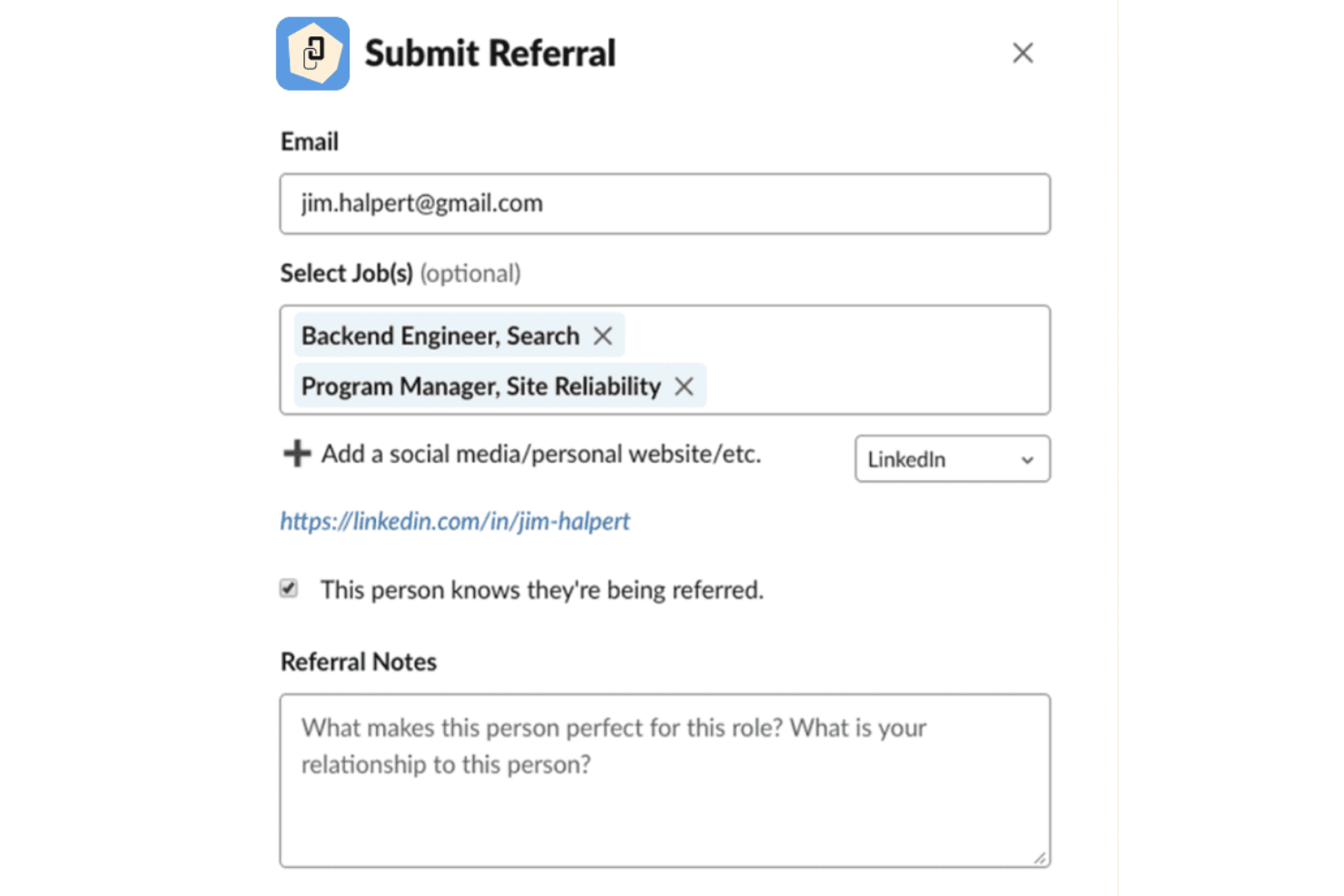
Deel helps HR teams scale hiring by putting employee referrals directly where your people already collaborate.
Why I Picked Deel
I picked Deel because it brings employee referrals into the flow of your daily communication platform, making participation friction-free for your team. Through its Slack plugin, you can automatically share hard-to-fill roles and let employees submit referrals with just a few clicks, which keeps referral activity high.
The plugin also syncs referral details with your ATS or careers page, so recruiter teams don’t have to re-enter data manually. You can gamify your referral program with leaderboards and automated announcements, helping maintain momentum over time. Plus, because it’s part of Deel Engage, you can combine referrals with other people-ops functions in your Slack workspace.
Deel Key Features
Here are some key features worth highlighting:
- In-Slack Referral Submission: Employees browse jobs and submit referrals right in Slack without switching apps.
- Referral Announcements: HR can schedule recurring job posts in Slack channels to prompt more referrals.
- ATS Sync: Referral data can be pushed to your applicant tracking system automatically.
- Gamified Leaderboards: Create friendly competition among teams to increase referral engagement.
Deel Integrations
Integrations include Slack, Greenhouse, Lever, Teamtailor, Ashby, and your careers page (for job feeds and ATS syncing).
Pros and Cons
Pros:
- Syncs referral submissions to popular ATS platforms
- Lets employees refer candidates inside Slack with a couple of clicks
- Automated announcements help keep referrals top of mind
Cons:
- Advanced analytics on referral ROI may need external systems
- Requires Slack Enterprise/Business to unlock full plugin capabilities
New Product Updates from Deel HR

Deel Expands Stablecoin Wallet to 80+ Countries
Deel expands its Stablecoin Wallet to 80+ countries with dollar-backed balances and optional rewards. This gives eligible contractors more ways to hold and manage earnings inside Deel. For more information, visit Deel’s official site.
 .
.

Hellora is built for organizations that rely on frontline and hourly workers who don’t sit behind a desk. It lets employees submit referrals entirely via text message, removing the need for apps, logins, or email access.
Why I Picked Hellora
I picked Hellora because it meets frontline employees where they already are: on their phones. Instead of forcing workers to download an app or log into a portal, Hellora allows referrals to be submitted through simple SMS conversations, which increases participation among deskless teams.
I also like how it reduces admin overhead by automatically tracking referral progress and validating eligibility before payouts are approved. For companies hiring at volume, this helps you scale referrals without adding manual follow-ups. Overall, it’s a strong fit if your referral strategy needs to work beyond corporate email users.
Hellora Key Features
Here are some key features worth highlighting:
- SMS-Based Referral Submissions: Employees submit referrals entirely via text, with no apps or logins required.
- Referral Status Tracking: Admins and employees can see where referrals are in the hiring process.
- Automated Eligibility Checks: Confirms employment status before referral rewards are approved.
- Employee Dashboards: Gives referrers visibility into submissions, rewards, and outcomes.
Hellora Integrations
Integrations include iCIMS, Greenhouse, Workday, Taleo, Lever, SAP SuccessFactors, UKG, ADP, JazzHR, Ashby, BambooHR, and Workable.
Pros and Cons
Pros:
- Does not require app downloads
- Engaging SMS campaigns
- Automated tracking of referrals
Cons:
- Reliance on text may not suit everyone's needs
- Limited to frontline workers

ERIN
Best for automating employee referrals
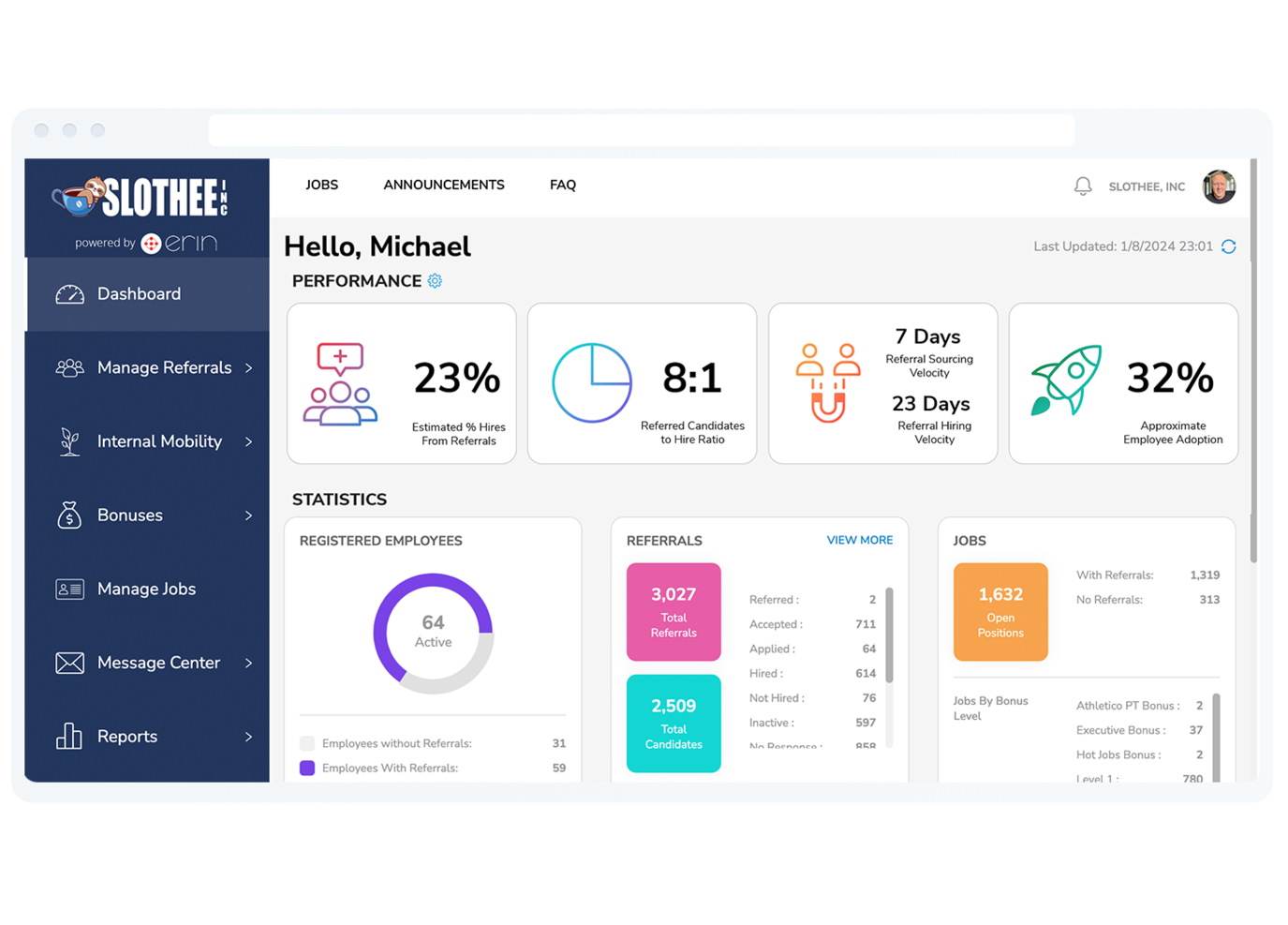
ERIN is a powerful tool designed to automate and streamline employee referral processes. It offers a user-friendly platform that automates the referral process, making it seamless for employees to refer quality candidates.
Why I picked ERIN: ERIN excels at automating employee referrals by providing an intuitive platform that seamlessly integrates with existing HR systems, allowing for easy tracking and management of referrals. Its advanced automation features, including AI-driven matching and real-time notifications, ensure a smooth and efficient referral process, maximizing participation and improving recruitment outcomes.
Standout features & integrations:
Features include AI-powered matching, automated reward distribution, and real-time analytics.
Integrations include Greenhouse, Lever, Workday, SAP SuccessFactors, ADP, BambooHR, Slack, Microsoft Teams, Google Workspace, Outlook, and Okta.
Pros and Cons
Pros:
- Mobile app availability
- User-friendly interface
- Easy employee referral management
Cons:
- Lacks advanced analytics
- Limited integration options

Boon
Best for community-powered referrals

Boon helps organizations turn employee referrals into an active, community-driven hiring channel.
Why I Picked Boon
I picked Boon because it helps you expand referrals beyond just employees by turning job openings into shareable, community-based opportunities. For example, your team can submit and track referrals through a central dashboard, while built-in leaderboards and challenges keep participation visible and motivating.
I also like that Boon pairs engagement with structure by automatically tracking referral stages, rewards, and outcomes, so HR doesn’t have to manage this manually, and its Slack and ATS integrations also make it easy for your team to refer candidates without leaving the tools they already use. Overall, Boon works well for teams that want referrals to feel social, measurable, and consistently active.
Boon Key Features
Here are some key features worth highlighting:
- Community Referral Links: Share job openings externally while still tracking attribution and rewards.
- Automated Reward Tracking: Monitor referral incentives and payouts without manual spreadsheets.
- Referral Analytics Dashboard: See which roles, referrers, and channels drive the most hires.
- Custom Campaigns: Run time-bound referral pushes for hard-to-fill roles.
Boon Integrations
Integrations include Slack, Greenhouse, Lever, Workday, SmartRecruiters, BambooHR, JazzHR, Workable, LinkedIn, and Microsoft Teams.
Pros and Cons
Pros:
- Referral tracking is efficient and easy to manage
- Gamification features help increase employee engagement
- AI automation helps recruiters identify better candidates faster
Cons:
- Uploading data manually can be difficult or time-consuming
- Incentive tracking lacks deeper customization options
Jobvite
Best for high quality hiring management
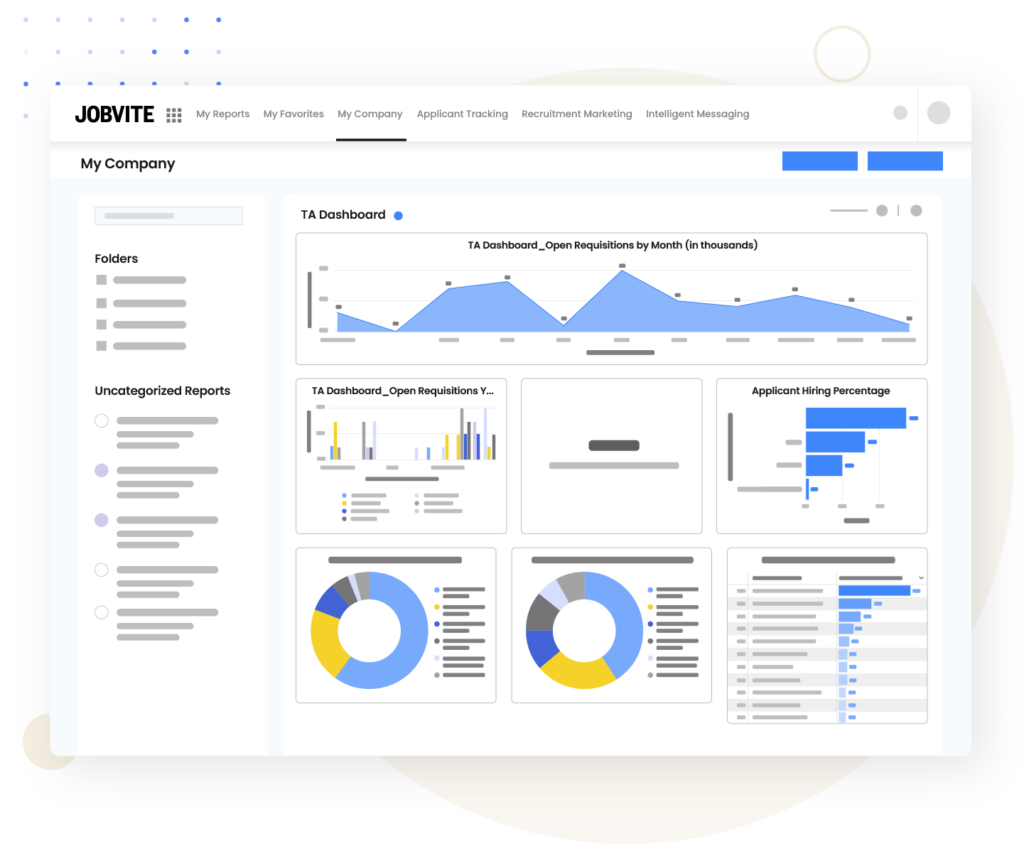
Jobvite is an employee referral software that leverages AI to optimize and manage referral programs effectively.
Why I picked Jobvite: Jobvite stands out for high-quality hiring management due to its strong end-to-end recruiting platform that integrates applicant tracking, candidate relationship management, and advanced analytics. Its AI-driven technology helps identify and engage the best candidates efficiently, while its collaborative hiring features ensure a streamlined and effective recruitment process.
Standout features & integrations:
Features include AI-driven candidate matching, automated referral tracking, and detailed analytics.
Integrations include LinkedIn, Indeed, Workday, SAP SuccessFactors, Greenhouse, SmartRecruiters, BambooHR, ADP, Oracle, and Taleo.
Pros and Cons
Pros:
- Comprehensive platform
- Strong integrations
- Enhances referral process
Cons:
- Complicated user interface
- Expensive for small businesses
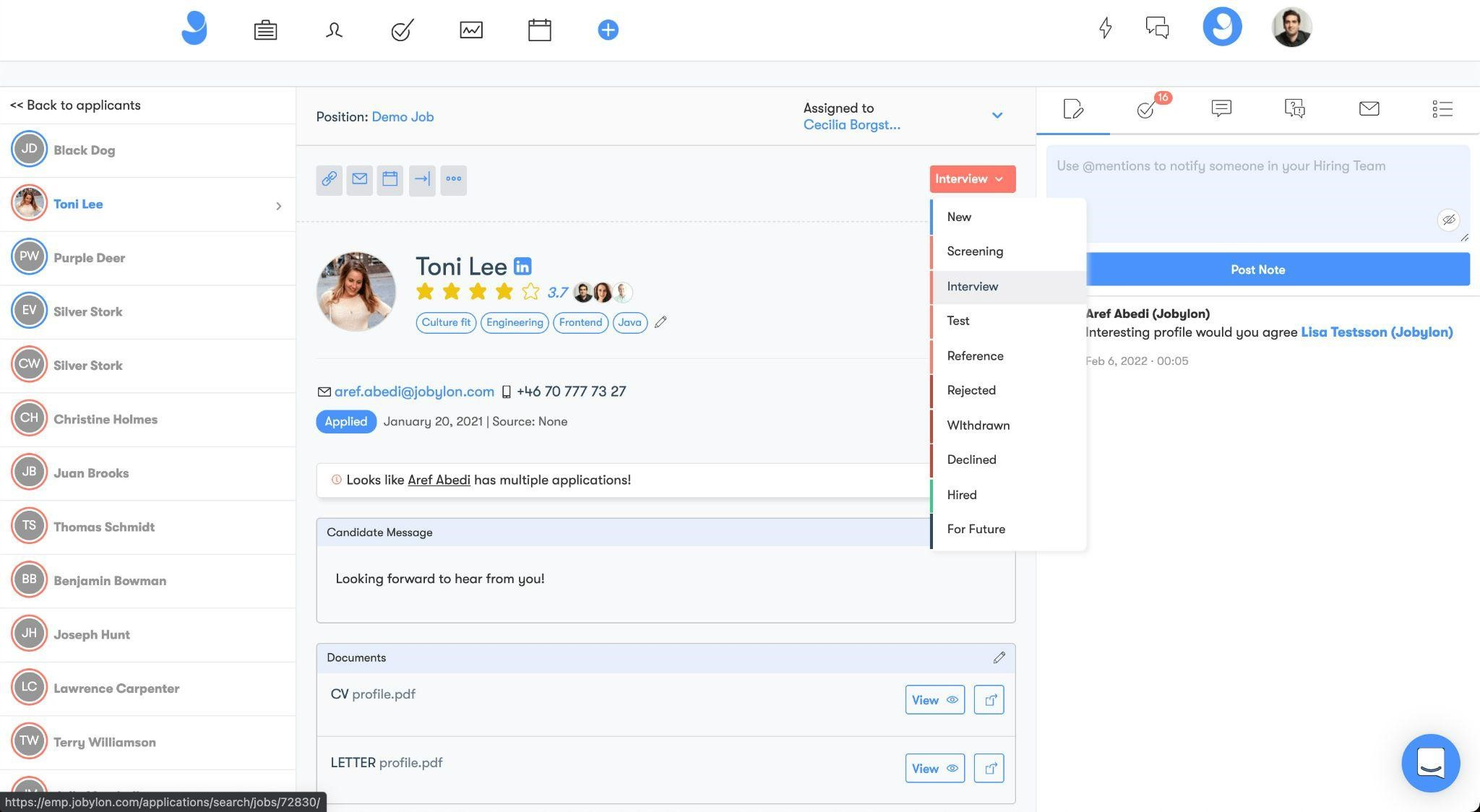
Jobylon is an employee referral software that enhances referral programs with gamification elements to increase engagement and participation.
Why I picked Jobylon: Jobylon offers a gamified approach to employee referrals, making the process more engaging and enjoyable for employees. Its built-in gamification features, such as point systems and leaderboards, motivate employees to actively participate and compete, ultimately enhancing referral rates and improving the quality of hires.
Standout features & integrations:
Features include gamified referral tracking, automated notifications, and a user-friendly interface for managing referrals.
Integrations include LinkedIn, Slack, Microsoft Teams, Google Workspace, Outlook, Greenhouse, Lever, Workday, BambooHR, and iCIMS.
Pros and Cons
Pros:
- Supports multiple languages
- Customizable campaigns
- Seamless social media integration
Cons:
- Limited integrations
- Basic reporting


Radancy is a platform that leverages AI to optimize and streamline talent acquisition processes.
Why I picked Radancy: Radancy’s advanced algorithms allow human resource teams to analyze vast amounts of data to identify and attract the most suitable candidates. Its AI capabilities streamline the hiring process, improve candidate matching, and enhance recruitment efficiency, making it an invaluable tool for modern HR teams.
Standout features & integrations:
Features include AI-driven recruitment marketing, candidate engagement, and data analytics.
Integrations include Workday, SAP SuccessFactors, Greenhouse, Lever, Taleo, iCIMS, SmartRecruiters, LinkedIn, Google Analytics, and Adobe Analytics.
Pros and Cons
Pros:
- Strong analytics capabilities
- Comprehensive marketing tools
- Data-driven recruitment
Cons:
- Requires technical expertise
- Complex setup process

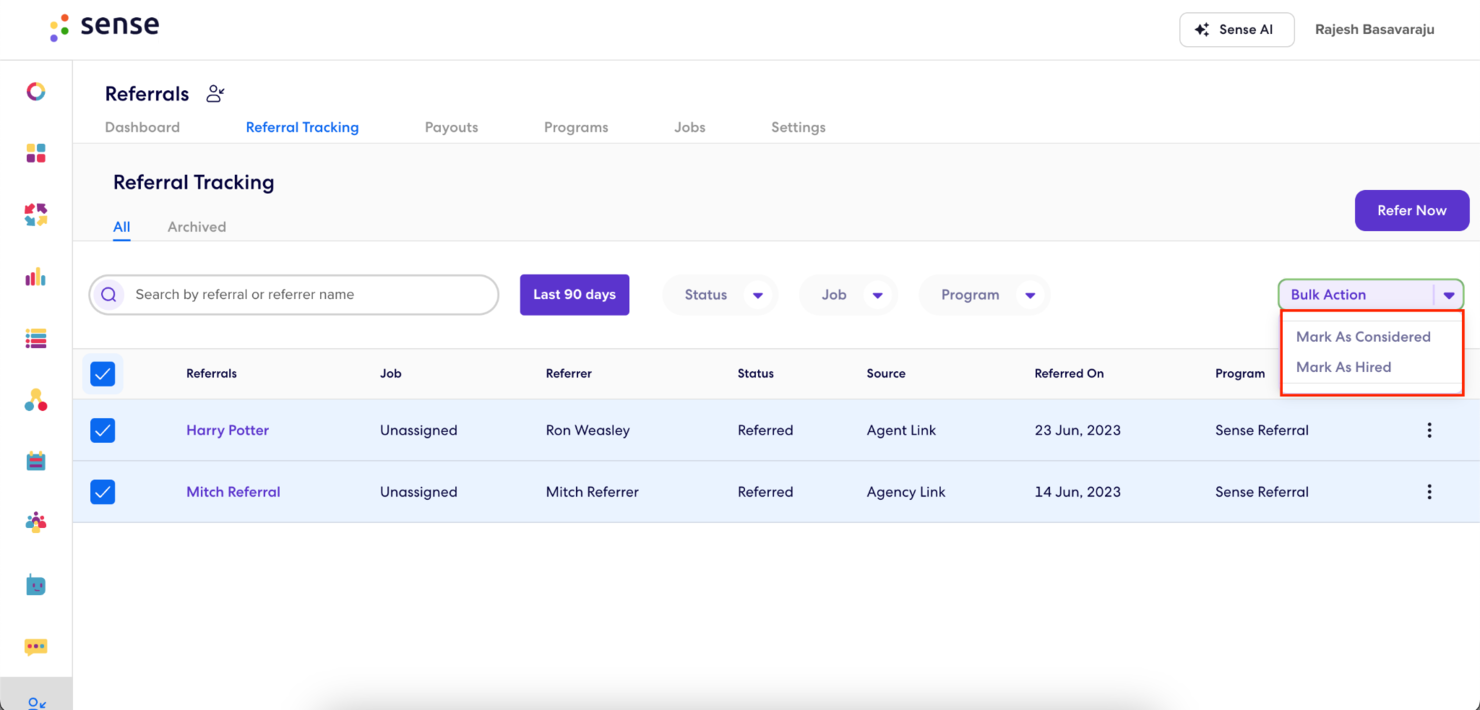
Sense is a platform designed to enhance personalized candidate engagement through automated communication and relationship management.
Why I picked Sense: Sense provides a specialized focus on personalized candidate engagement. Its strong platform ensures timely, relevant interactions that keep candidates engaged and informed throughout the recruitment process, enhancing their overall experience and increasing the likelihood of successful placements.
Standout features & integrations:
Features include automated communication workflows, personalized candidate nurturing, and real-time engagement analytics.
Integrations include Bullhorn, Avionté, Greenhouse, JobAdder, JazzHR, Workday, SAP SuccessFactors, ADP, LinkedIn, and TextUs.
Pros and Cons
Pros:
- Strong candidate engagement features
- Enhances recruiter productivity
- Automates candidate communication
Cons:
- Limited customization
- Steep learning curve


CleverConnect is an employee referral software that digitizes and streamlines the referral process for hiring.
Why I picked CleverConnect: CleverConnect stands out for its advanced approach to digitizing referral programs, offering seamless integration with existing HR systems and intuitive user interfaces that make it easy for current employees to participate. Its next-level analytics and automation features ensure efficient management and tracking of referrals, enhancing both the speed and quality of recruitment.
Standout features & integrations:
Features include gamification to encourage participation, automated referral management, and detailed analytics for tracking referral success.
Integrations include LinkedIn, Indeed, Workday, SAP SuccessFactors, Greenhouse, SmartRecruiters, Jobvite, Lever, Oracle, and BambooHR.
Pros and Cons
Pros:
- User-friendly platform
- Boosts hiring speed
- Intelligent matching
Cons:
- Potential integration issues
- Limited reporting features
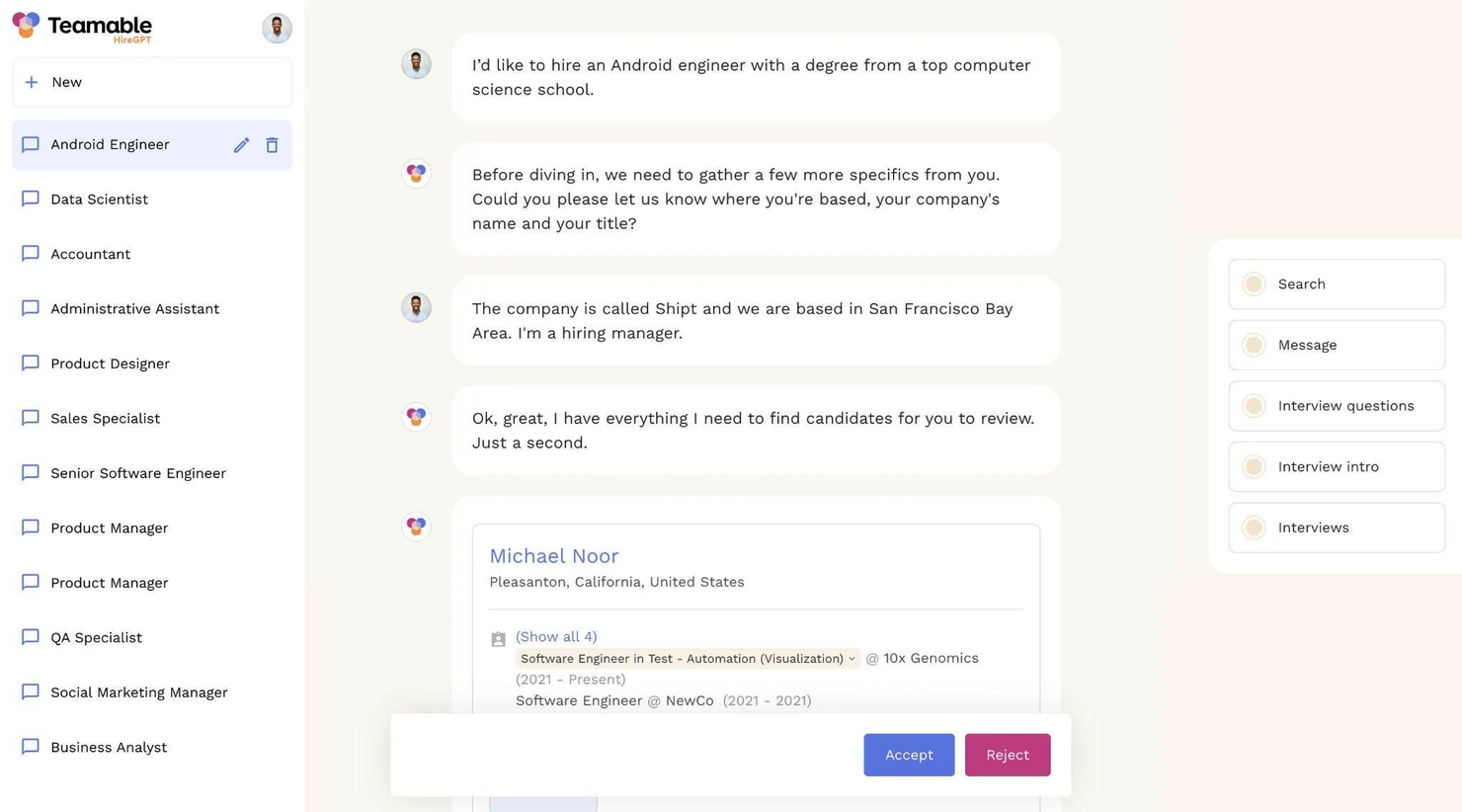
Teamable is an employee referral software that leverages employee networks to find the best candidates.
Why I picked Teamable: Teamable effectively harnesses the power of employee networks to source top talent. Its standout feature is the ability to match employees' connections with job openings, which provides a more personalized and efficient referral process compared to other employee referral software.
Standout features & integrations:
Features include AI-driven matching of employee connections to job openings, automated referral tracking, and detailed analytics.
Integrations include LinkedIn, Workday, Greenhouse, Lever, Jobvite, SmartRecruiters, iCIMS, Taleo, SAP SuccessFactors, and BambooHR.
Pros and Cons
Pros:
- Good customer support
- Easy referral process
- Leverages social networks
Cons:
- Basic analytics
- Limited scalability
Other Employee Referral Software
Below is a list of additional employee referral software that I shortlisted. While they didn’t make the top 10, they’re still valuable and worth further research.
- Real Links
For maximum employee impact
- Trusty
For integrated communication tools
- HireUp
For engaging referral processes
- WorkTaps
For hourly workforce referrals
- SaaSquatch
For referral marketing automation
- Workable
For comprehensive recruitment tools
- Ambassador
For customizable referral programs
- Phenom
For talent experience management
- SeekOut
For in-depth talent sourcing
- Simpplr
For employee engagement platforms
- Gem
For candidate relationship management
- Hireology
For integrated hiring solutions
- Employee Referrals
For boosting internal referrals


Related HR Software Reviews
If you still haven't found what you're looking for here, check out these other related tools that we've tested and evaluated:
- HR Software
- Payroll Software
- Recruiting Software
- Employer of Record Services
- Applicant Tracking Systems
- Workforce Management Software
How I Evaluate Employee Referral Software
I evaluate each tool on two levels: baseline referral functionality like reward tracking and ATS sync, then the differentiators—like AI matching and global payout support—that set the best apart.
Core Functionality (Table Stakes For This List)
When I'm selecting tools for my list, I rank each one on a scale from 0 (does not offer the functionality) to 5 (excels in this area) for each core functionality listed below. Then, I calculate the tool's total score into a percentage. Each tool needs to achieve a minimum total score of 65% to be considered for inclusion.
- Referral Submission Portal: I look for a dedicated, employee-facing interface where staff can browse open roles, submit candidates, and track referral status without needing to email a recruiter.
- Reward & Bonus Management: The tool should handle bonus rules, approval workflows, and payout tracking so HR teams aren't managing referral incentives in spreadsheets.
- ATS & HRIS Integration: I check whether the platform syncs with popular systems like Greenhouse, Workday, or Lever to keep candidate data and hire status flowing without manual entry.
- Social Sharing & Network Reach: Employees should be able to share jobs across LinkedIn, email, and messaging apps through trackable links that attribute each referral back to the right person.
- Gamification & Engagement Tools: I evaluate whether the platform offers leaderboards, points, or contests that keep referral participation high beyond the initial program launch.
- Referral Analytics & Reporting: Dashboards should surface metrics like referral-to-hire conversion rates, time-to-fill by source, and program ROI so talent acquisition teams can justify and optimize spend.
Once I have a list of tools that meet this criteria, I consider what sets each platform apart.
Differentiating Factors (What Sets Vendors Apart)
Here's how I compare and contrast different vendors:
Standout Features
AI candidate matching is a big differentiator. Platforms that surface the right open role to the right employee based on their network drive more relevant referrals. I also look for native Slack or Teams integration, since employees are far more likely to refer when they can do it without leaving their daily workspace. Alumni and silver medalist networks expand reach beyond current headcount, which matters for organizations with seasonal hiring needs. Diversity referral campaigns let talent teams run targeted initiatives with anonymized tracking to support DEI goals.
Beyond Features
Tech stack ecosystem fit is one of the first things I check. A referral platform should sync cleanly with your ATS so recruiters aren't re-entering candidate data. Global and multi-region capabilities also matter—organizations hiring across borders need multi-language portals and localized reward payouts. I evaluate implementation timelines too, because a tool that takes months to launch loses momentum with employees before the program even starts. Compliance is another consideration, especially GDPR and EEOC tracking for organizations managing referral data across regulated environments.
How to Choose Employee Referral Software
As you work through your own unique software selection process, keep the following points in mind:
- Ease of Use for Employees: Employee referral software should be intuitive and user-friendly to encourage high participation rates. If the interface is complicated or cumbersome, employees may be less likely to engage with the referral process.
- Integration Capabilities: Ensure the software can integrate with your existing HR systems and tools. A lack of integration can lead to data silos and inefficient workflows. For instance, integrating referral software with your applicant tracking system allows for smooth data transfer and a unified hiring process.
- Tracking and Reporting Features: Strong tracking and reporting functionalities are essential for monitoring the success of your referral programs. Look for software that provides detailed analytics on metrics such as referral source, time to hire, and quality of new hires. This data helps in refining your referral strategies and demonstrating ROI to stakeholders.
- Incentive Management: The ability to manage and automate referral incentives is vital for maintaining engagement. Software that can track referrals and automatically distribute rewards or bonuses saves time and ensures accuracy. For example, having a built-in feature to manage different incentive structures can cater to various roles or seniority levels within your organization.
- Scalability and Customization: Your chosen software should be able to grow with your organization and adapt to your specific needs. Whether you're a small startup or a large enterprise, the software should offer customizable features that align with your company's culture and referral program goals.
Trends for Employee Referral Software
Here are some trends I’ve noticed for employee referral software, plus what they might mean for the future of the HR industry. I sourced countless product updates, press releases, and release logs to tease out the most important insights.
- AI-Driven Candidate Matching: AI-driven candidate matching is revolutionizing employee referral software by using advanced algorithms to identify the best fit for job openings. This trend enhances accuracy and efficiency in the hiring process. It’s important as it reduces time-to-hire and improves the quality of candidates.
- Gamification Elements: Gamification is increasingly integrated into referral programs to boost employee engagement. Features like referral competitions and rewards make the process fun and motivating. This trend is vital for increasing participation rates and making the referral process more dynamic.
- Mobile-First Design: Mobile-first design ensures that referral software is accessible and functional on smartphones and tablets. This trend is important as it allows employees to refer candidates and track referrals on the go.
- Seamless Integration with Communication Tools: Integration with tools like Slack and Microsoft Teams is becoming standard. This trend simplifies the referral process by embedding it into daily workflows. It’s significant as it makes the referral process more seamless and encourages frequent use.
- Real-Time Analytics and Reporting: Real-time analytics provide immediate insights into the performance of referral programs. This trend helps organizations quickly adjust strategies to maximize efficiency. It’s important for making data-driven decisions and improving overall program effectiveness.
As the landscape of recruitment evolves, employee referral software is adapting with innovative trends such as AI-driven matching, enhanced gamification, and seamless integration with social media platforms. Staying updated with these trends will be vital for organizations aiming to optimize their recruitment strategies and maintain a competitive edge.
What is Employee Referral Software?
Employee referral software is a tool that helps organizations manage and streamline their employee referral programs. This software automates much of the referral process, making it easier for employees to refer qualified candidates for open positions within the company.
Human resources departments and hiring managers commonly use this software to increase the quality of hires, enhance employee engagement, and improve the overall efficiency of the hiring process.
Key Features of Employee Referral Software
When shopping for an employee referral software, it’s important to keep in mind the different features that can either make (or break) your experience. Here are some of the top features your chosen employee referral software should have to make it a good fit.
- Automated referral tracking: The platform automatically tracks referrals from submission through hire, removing the need for manual spreadsheets and follow-ups while keeping the hiring process organized.
- Gamification and rewards: Features such as points, leaderboards, badges, and incentives encourage employees to participate actively in referral programs and keep engagement high.
- Integration with HR systems: Seamless integrations with ATS, HRIS, and payroll systems ensure referral data flows smoothly across platforms and reduces duplicate data entry.
- Mobile accessibility: Mobile-friendly tools allow employees to submit and track referrals anytime, anywhere—making it easier to capture referrals quickly.
- Real-time analytics and reporting: Dashboards show referral performance, conversion rates, time-to-hire, and program ROI, helping HR teams measure effectiveness and optimize campaigns.
- Customizable referral campaigns: HR teams can tailor referral programs by role, department, location, or hiring priority to align with organizational goals and culture.
- Automated notifications: Employees receive automatic updates on referral status, keeping them informed, engaged, and motivated throughout the process.
- User-friendly interface: An intuitive design ensures employees of all technical skill levels can submit referrals easily, improving adoption across the organization.
- Integration with communication tools: Connections with platforms like Slack and Microsoft Teams embed referrals directly into daily workflows, increasing visibility and participation.
Common AI Features in Employee Referral Software
Many modern employee referral platforms now incorporate AI to enhance efficiency and hire quality, for example:
- AI-powered candidate matching: AI analyzes skills, experience, and role requirements to automatically rank and recommend the strongest referred candidates for open positions.
- Smart referral recommendations: AI suggests which employees are most likely to know suitable candidates for specific roles based on their networks, job history, and past referrals.
- Predictive referral analytics: AI forecasts referral success rates, program engagement, and hiring outcomes using historical data, helping HR teams refine strategy and incentives.
- Automated engagement nudges: AI sends personalized reminders to employees when new relevant jobs open or when referral activity slows, keeping programs top of mind.
- Natural language processing (NLP) screening: AI parses referral messages and resumes to extract relevant candidate data faster and more accurately than manual review.
- Incentive optimization: AI evaluates which rewards drive the most participation and recommends incentive structures that maximize referral ROI.
- Sentiment analysis on feedback: AI reviews referral comments and feedback to identify engagement trends, potential issues, or opportunities for improvement.
- Chatbot-driven referral support: AI chatbots guide employees through submitting referrals, checking referral status, and discovering open roles via conversational tools like Slack or Teams.
Benefits of Employee Referral Software
Like other software, employee referral solutions also come with their own set of benefits. Here are some of the primary perks you may experience while using an employee referral software.
- Improved Hiring Efficiency: Employee referral software automates the referral process, significantly reducing the time and effort required to source referred candidates. This allows human resources to focus on other strategic tasks, thereby enhancing overall operational efficiency.
- Higher Quality of Hires: By leveraging employees' networks, the software helps identify candidates who are likely to be a better fit for the company's culture and values. This results in higher retention rates and a more cohesive workforce, ultimately benefiting the organization's productivity and morale.
- Cost Savings: The use of referral software lowers recruitment costs by minimizing the reliance on expensive external recruiters and job board advertisements. This financial efficiency allows HR departments to allocate resources more effectively across other critical areas.
- Enhanced Employee Engagement: The software increases employee involvement in the hiring process, which can boost morale and improve retention rates. When employees feel valued and part of the recruitment process, their overall engagement and satisfaction with the company tend to rise.
- Better Tracking and Analytics: Employee referral software provides detailed analytics and reporting, helping HR to measure the effectiveness of referral programs. This data-driven approach allows for continuous improvement and optimization of hiring strategies.
These benefits demonstrate the significant impact employee referral software can have on an business' hiring efficiency and employee satisfaction. Implementing such software can lead to more effective hiring strategies and a stronger, more engaged workforce.
Costs & Pricing Of Employee Referral Software
When considering employee referral software, it’s important to understand the various pricing plans and what features are included with each. Below is a breakdown of the typical plans you might encounter when exploring employee referral software options.
Plan Comparison Table for Employee Referral Software
| Plan Type | Average Price | Common Features |
| Free Plan | $0/user/month | Basic referral tracking, limited analytics, and standard support |
| Basic Plan | $50/user/month | Automated referral tracking, AI matching, mobile access, and email notifications |
| Standard Plan | $100/user/month | Advanced analytics, gamification elements, integration with major HR systems, and priority support |
| Premium Plan | $200/user/month | Customizable campaigns, real-time analytics, dedicated account manager, and integration with communication tools like Slack and Microsoft Teams |
Understanding the costs and plans for employee referral software is important for making an informed investment in your recruitment strategy. By evaluating the pricing structures, subscription models, and available features, businesses can choose a solution that fits their budget and maximizes their return on investment.
Employee Referral Software FAQs
Here are some frequently asked questions I’ve received about employee referral software.
Can employee referral software integrate with our existing HR systems?
Yes, most employee referral platforms integrate seamlessly with popular HR systems and applicant tracking systems (ATS). You can typically connect tools through built-in integrations, APIs, or third-party connectors. This lets your hiring team manage referrals alongside your other recruiting workflows with less manual work.
Is employee referral software a good fit for organizations of any size?
Yes, employee referral software is suitable for companies of all sizes. Many platforms offer flexible pricing and features that scale from small businesses to large enterprises. Look for a tool that matches your company’s referral volume, integration needs, and budget.
What kind of support can I expect from employee referral software providers?
Most providers offer onboarding help, training resources, and responsive customer support. This may include live chat, email support, help centers, and even a dedicated manager for setup. Ask for details about implementation and response times before choosing a system.
What metrics should I track to measure the success of employee referral software?
Key metrics include number of referrals, referral-to-hire rate, time-to-hire, cost-per-hire, and employee participation rates. Tracking these KPIs helps you see which parts of your program work well and where you can improve.
What’s Next?
If you're in the process of researching employee referral software, connect with a SoftwareSelect advisor for free recommendations.
You fill out a form and have a quick chat where they get into the specifics of your needs. Then you'll get a shortlist of software to review. They'll even support you through the entire buying process, including price negotiations.