



elia vs. Microsoft Places: Vergleich und Expertenbewertungen für 2026



Hybrid workplace coordination can quickly turn messy without the right tools. Employees need to know when to come in, where to sit, which spaces are available, and how office resources are being used.
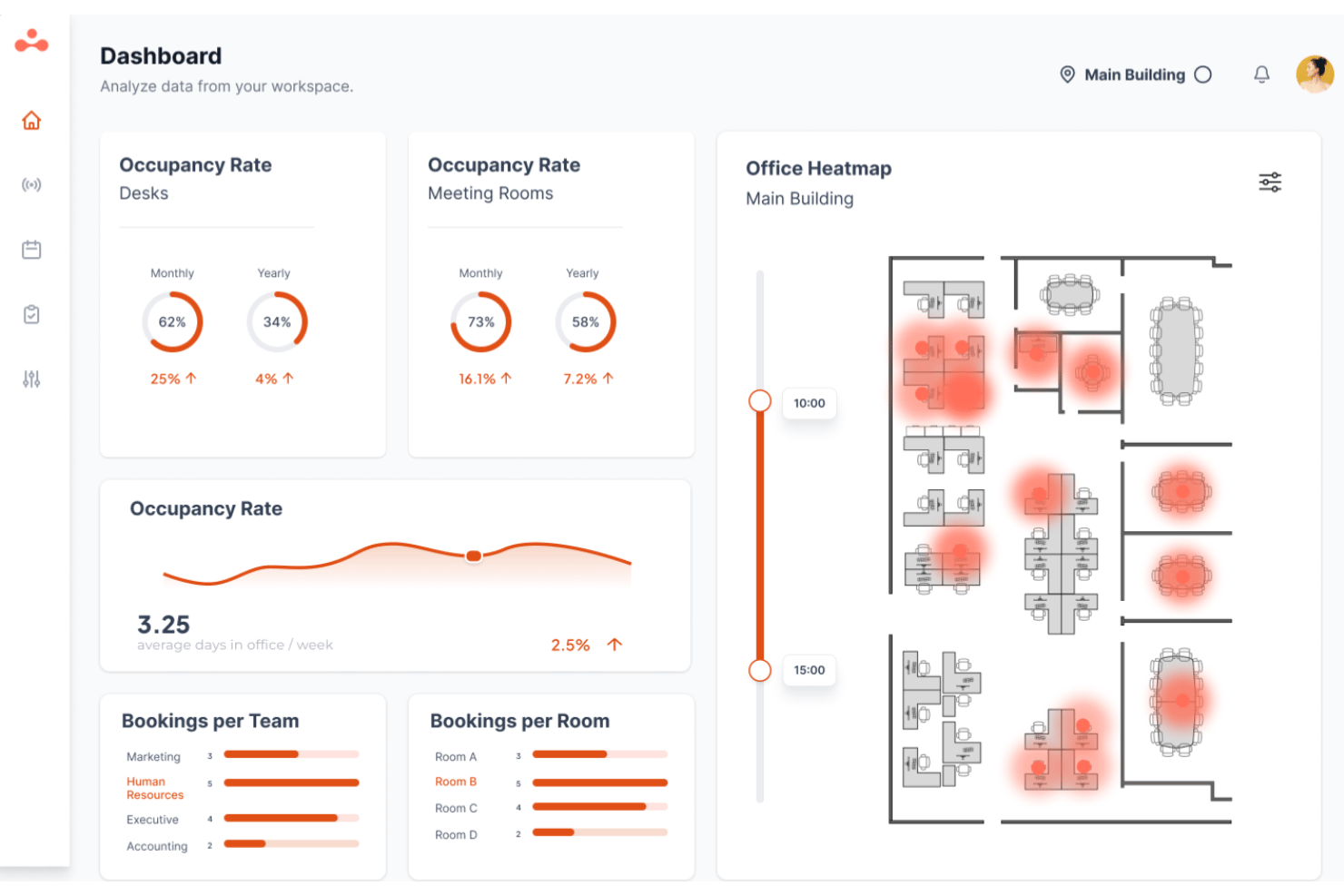
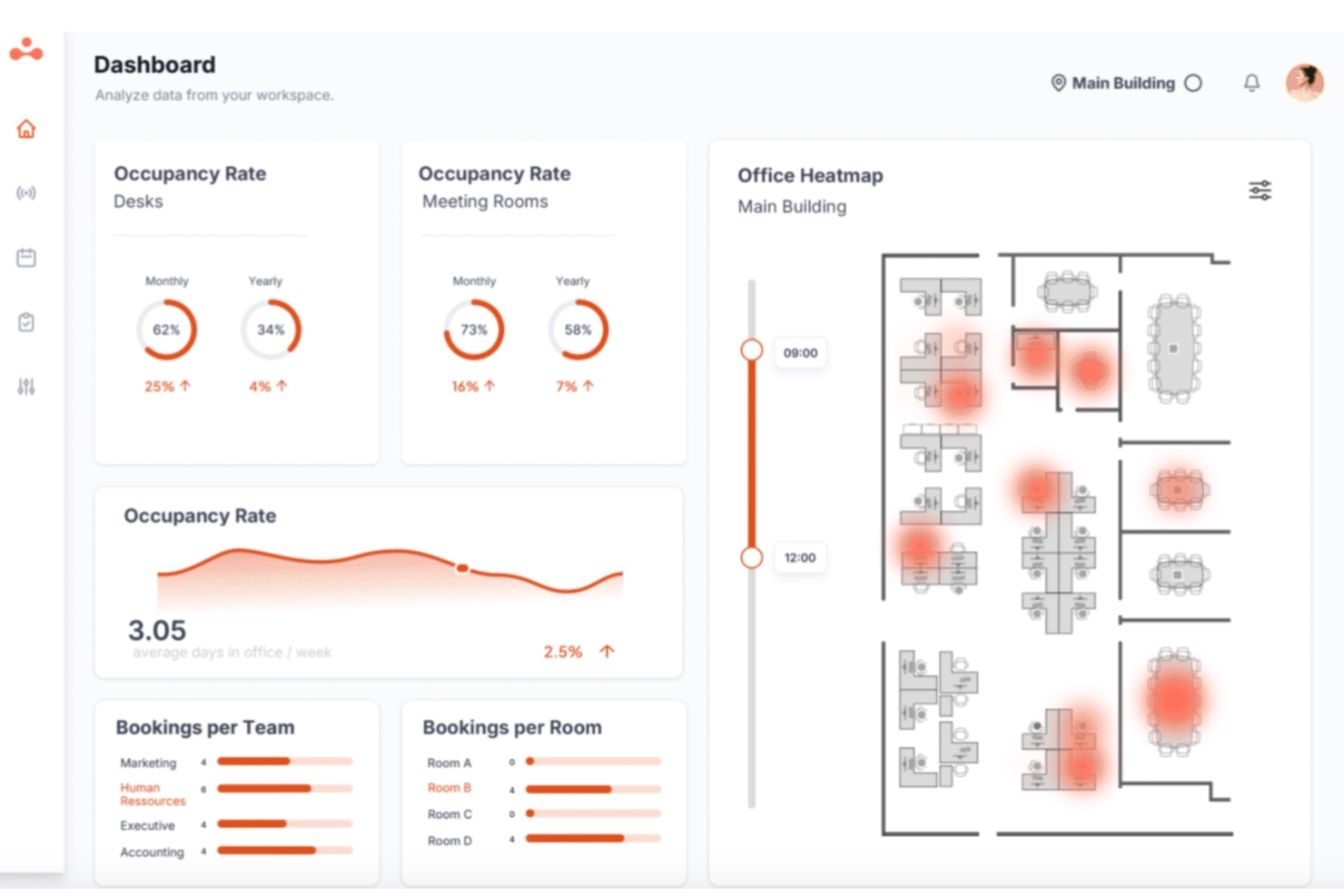
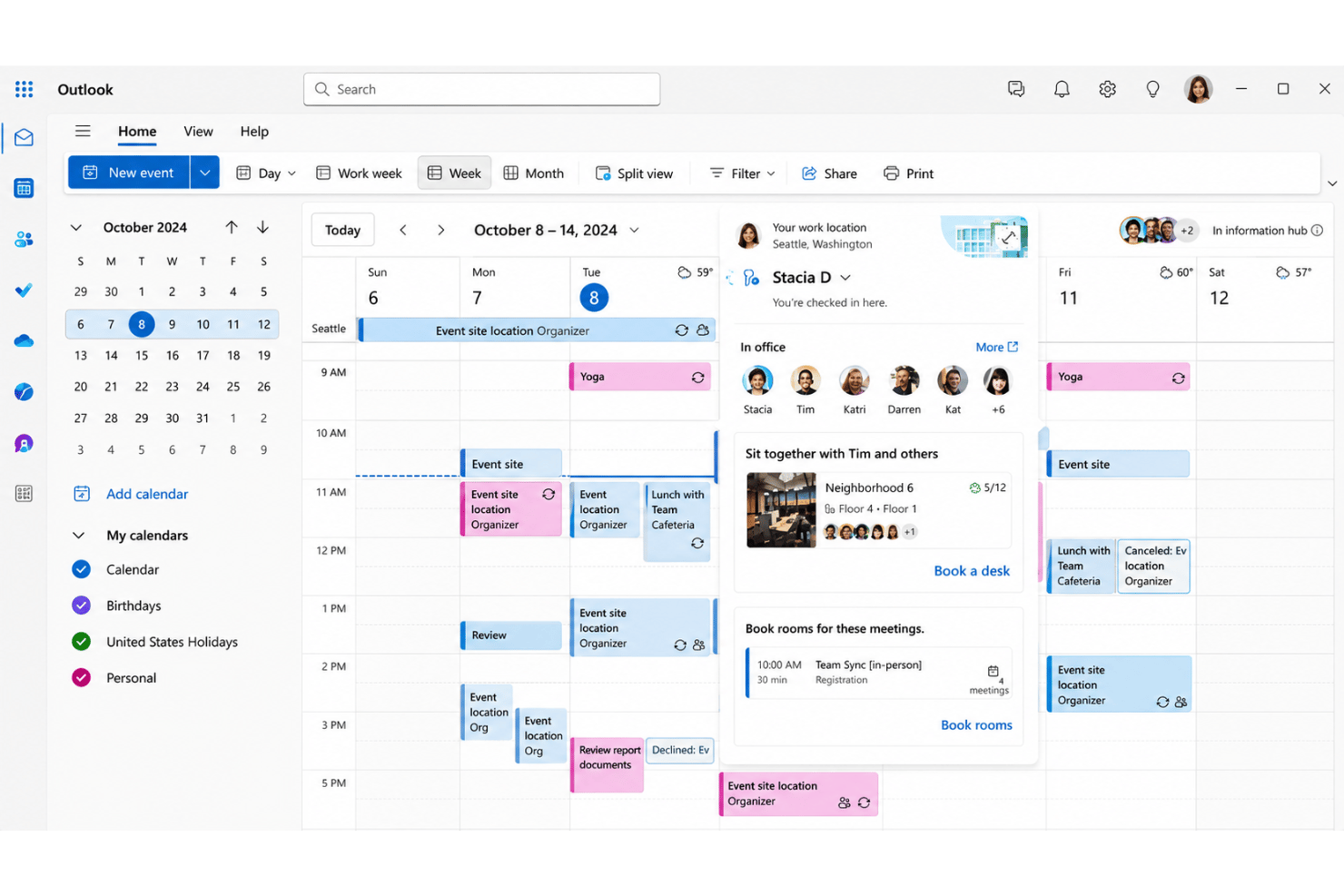
elia and Microsoft Places are both workplace management software platforms for coordinating hybrid work, workplace resources, and office usage. elia takes a dedicated workplace operations approach, bringing desk booking, room booking, visitor management, service requests, occupancy insights, automation, and optional hardware into one platform. Microsoft Places takes a Microsoft-native approach, using AI across Teams and Outlook to help employees plan office days, book spaces, coordinate in-person work, and understand space utilization.
In this comparison, I’ll break down elia and Microsoft Places across features, pricing, usability, security, and best-fit use cases to help you decide which platform makes the most sense for your workplace.
elia vs. Microsoft Places: An Overview
elia

Microsoft Places
Warum Sie unseren Software-Bewertungen vertrauen können
Unser Team testet und bewertet Software seit 2012. Als HR-Experten wissen wir selbst, wie schwierig – und wichtig – es ist, die richtige Software auszuwählen.
Für diesen Leitfaden haben wir Tools mithilfe von praktischen Tests und unabhängiger Recherche bewertet und dabei unsere Bewertungskriterien angewendet. Zudem greifen wir auf Erkenntnisse von Branchenvordenkern und praktizierenden HR-Experten zurück.
Unsere Bewertungen spiegeln unser menschliches redaktionelles Urteilsvermögen wider, keine Verkaufsstrategie.
Expertenprüfer:
elia vs. Microsoft Places Pricing Comparison
| elia | Microsoft Places | |
|---|---|---|
| Free Trial | Free plan + free demo available | Free demo available |
| Pricing | From $500/month | From $8.55/license/month (billed annually) |
elia vs. Microsoft Places Preise & Versteckte Kosten
elia verwendet öffentliche, platzbasierte Preisgestaltung mit unbegrenzten Nutzern in allen Tarifen. Die Kosten können dennoch steigen, wenn Sie mehr Plätze, erweiterte Berichte, Governance, API-Zugriff, individuelle Integrationen, SLAs oder höhere Limits für Automatisierung und KI benötigen. Der Hauptfaktor für versteckte Kosten sind die Hardware-Kosten, da Belegungssensoren, Raumanzeigen, Kiosks, IoT-Gateways und smarte Schlösser separat von der Software berechnet werden.
elia vs. Microsoft Places Feature Comparison
| elia | Microsoft Places | |
|---|---|---|
| API | ||
| Batch Permissions & Access | ||
| Dashboard | ||
| Data Export | ||
| Data Import | ||
| Data Visualization | ||
| External Integrations | ||
| Multi-User | ||
| Notifications | ||
| Scheduling |
elia vs. Microsoft Places Integrationen
| Integration | elia | Microsoft Places |
|---|---|---|
| Google Workspace | ✅ | ❌ |
| Microsoft Outlook | ✅ | ✅ |
| Slack | ✅ | ❌ |
| Microsoft Teams | ✅ | ✅ |
| Appspace | ❌ | ✅ |
| Microsoft 365 | ✅ | ✅ |
| ServiceNow | ❌ | ✅ |
| Haltian | ❌ | ✅ |
| VergeSense | ❌ | ✅ |
| API | ✅ | ✅ |
elia deckt grundlegende Arbeitsplatz-Integrationen wie Kalender, Kollaborationstools, SSO, API-Zugriff und benutzerdefinierte IoT- oder Softwareanbindungen in höheren Tarifen ab, wenngleich seine vorgefertigte Drittanbieter-Bibliothek begrenzt ist. Microsoft Places wiederum ist auch kein breit gefasster Integrations-Marktplatz, sondern bietet seine Stärken vor allem im Microsoft-Ökosystem mit ausgewählten Partnern für Grundrisse, Belegungssignale und Arbeitsplatzservices. Insgesamt eignet sich elia besser für Teams, die Integrationen benötigen, die an ein dediziertes Arbeitsplatzverwaltungssystem gebunden sind, während Microsoft Places die richtige Wahl für Teams ist, die Arbeitsabläufe im Büro direkt mit Microsoft 365 und einem fokussierten Partnernetzwerk verbinden möchten.
elia vs. Microsoft Places Sicherheit, Compliance & Zuverlässigkeit
| Faktor | elia | Microsoft Places |
|---|---|---|
| Datenschutz | GDPR-konform, mit Datenhosting in Kanada auf AWS Canada Central-1. | In Microsoft 365 integriert, mit unternehmensweitem Datenschutz und regionalen Datenverarbeitungsoptionen. |
| Zertifizierungen & Tests | ISO 27001:2022 und ISO 9001:2015 zertifiziert, jährliche Penetrationstests durch unabhängige Dritte. | Gestützt durch Microsofts Sicherheits- und Complianceprogramm für Unternehmens-Clouds. |
| Zugriffskontrollen | SSO ab Basic verfügbar, Business ergänzt Nutzerprovisionierung und benutzerdefinierte Rollen. Enterprise bietet RBAC mit Nutzergruppen. | Nutzt Microsoft-Identität und Admin-Kontrollen für Zugang, Berechtigungen und Richtliniendurchsetzung. |
| Prüfbarkeit | Enterprise enthält Audit- und Aktivitätsprotokolle, API-Zugriff und Integrationsoptionen für Teams mit starken Governance-Anforderungen. | Unterstützt Audit- und Compliance-Workflows über die breitere Microsoft 365 Umgebung. |
| Zuverlässigkeit | Cloud-basiert und gehostet auf AWS Canada Central-1, mit SLAs für Enterprise. | Läuft auf Microsofts Cloud-Infrastruktur mit Microsoft 365 Service-Management-Praktiken. |
Sowohl elia als auch Microsoft Places bieten eine starke Sicherheitsbasis für das Arbeitsplatzmanagement. elia konzentriert sich auf eigenständige Arbeitsplatz-Governance, mit Datenhosting in Kanada, GDPR-Konformität, ISO 27001:2022 und ISO 9001:2015 Zertifizierungen, jährlichen Penetrationstests, SSO, Provisionierung, RBAC, Audit-Logs und SLAs für Enterprise. Microsoft Places hingegen setzt auf das größere Microsoft 365-Sicherheitsökosystem und ist somit besonders für Teams geeignet, die bereits Microsoft-Identitäts-, Admin- und Compliance-Tools nutzen. Insgesamt setzt elia auf eine klare, arbeitsplatzspezifische Governance, während Microsoft Places die Arbeitsplatzsicherheit mit den bestehenden Kontrollen in Microsoft 365 vereint.
elia vs. Microsoft Places Benutzerfreundlichkeit
| Faktor | elia | Microsoft Places |
|---|---|---|
| Benutzeroberfläche | Nutzt visuelle Raumpläne, Buchungsabläufe, Dashboards und Arbeitsplatzkarten, um Teams bei der Verwaltung von Schreibtischen, Räumen, Besuchern, Anfragen und Raumauslastung zu unterstützen. | Fühlt sich für Microsoft-Nutzer vertraut an, da Arbeitsplatzplanung, Buchung und Koordination durch Teams, Outlook und Microsoft 365 erfolgen. |
| Onboarding | Das Setup skaliert je nach Tarif, von Selbstbedienungs-Onboarding bis hin zu geführtem Training und schlüsselfertiger Implementierung. Die meisten Rollouts drehen sich um Raumpläne, Buchungsregeln und Arbeitsplatzkonfiguration. | Das Setup hängt von der bestehenden Microsoft 365 Umgebung ab, mit Konfigurationen in Teams, Outlook, Nutzerzugriff und geteilten Arbeitsplatzressourcen. |
| Konfiguration | Stärker konfigurierbar für Teams, die Automatisierung, Auslastungsdaten, Besucherflüsse, Serviceanfragen, Hardware und Governance-Anforderungen verwalten. | Einfacher für Microsoft-basierte Teams, jedoch stärker an Microsoft-Admin-Einstellungen, Richtlinien und bestehende Workflows gebunden. |
| Support | Free umfasst Zugang zum Help Center, Basic ergänzt E-Mail- und Chat-Support, Business beinhaltet Onboarding und einen dedizierten Account Manager und Enterprise bietet schlüsselfertige Bereitstellung. | Support läuft über Microsofts umfangreiche Dokumentation, Admin-Ressourcen und globale Enterprise-Supportkanäle. |
Aus Sicht der Benutzerfreundlichkeit setzt Microsoft Places auf Vertrautheit für Teams, die bereits Microsoft 365 nutzen, mit Arbeitsplatzplanung und -buchung direkt in Tools wie Teams und Outlook. Im Gegensatz dazu bietet elia eine speziell entwickelte Nutzererfahrung für Arbeitsplatzmanagement mit visuellen Raumplänen, modularem Setup, Buchungsabläufen, Dashboards sowie Einstellungsoptionen für Besucher, Anfragen, Auslastungsdaten, Automatisierungen und Hardware. Insgesamt wirkt Microsoft Places für Microsoft-orientierte Unternehmen möglicherweise einfacher, während elia mehr Struktur und Flexibilität für Teams bietet, die ein dediziertes System zur Verwaltung physischer Arbeitsplätze benötigen.
elia vs Microsoft Places: Pros & Cons
elia
- Modular tools for managing desks, rooms, visitors, service requests, and workplace space
- Optional sensors, kiosks, screens, and smart lockers for stronger office usage data
- Dashboards and heatmaps combine bookings and real usage for better space planning
- Hardware costs extra beyond the software plan
- Fewer prebuilt integrations than larger workplace management platforms
- Cloud only, with no self-hosted or on-premise option
Microsoft Places
- Native meeting room and desk booking streamlines hybrid schedules
- Automatic location awareness helps coordinate in-office attendance
- Real-time space utilization analytics inform office planning
- No built-in time tracking or attendance enforcement tools
- Features depend heavily on Microsoft 365 subscriptions
- Limited mobile functionality for non-desk-based workers
Best Use Cases for elia and Microsoft Places
elia
- Mid-Sized and Enterprise Organizations elia supports growing and large organizations that need more structure for shared desks, meeting rooms, visitors, workplace resources, and space usage across one or more offices.
- Professional Services and Legal Firms elia helps office-based firms manage hybrid schedules, client visits, meeting rooms, and shared workplace resources.
- Insurance and Financial Services elia supports teams that need structured workplace access, visitor logs, space visibility, and office coordination.
- Manufacturing and Engineering Offices Corporate and office-based teams can use elia to manage desks, rooms, requests, lockers, and occupancy data.
- Public Sector, Healthcare, Education, and Nonprofits elia fits organizations that need workplace management, audit-ready records, health and safety tools, and English/French support.
- Media and Telecommunications Companies elia works for organizations with shared offices, distributed teams, changing occupancy needs, and workplace resource planning.
Microsoft Places
- Hybrid Tech Companies Tech firms with flexible or hybrid office policies benefit from easy workspace booking and automated attendance coordination.
- Corporate Headquarters Large office environments leverage Places for desk and room booking, workspace analytics, and real estate planning decisions.
- HR Departments HR teams appreciate the clear scheduling tools which help support employee well-being and office experience.
- Facilities Management Facilities teams use real-time space and occupancy data for optimizing office layouts and maintenance resources.
- Financial Services Firms Professional workforces with fluctuating office needs use Places for better resource planning and schedule visibility.
- Distributed Project Teams Groups with rotating office attendance or cross-city collaboration rely on Places to align in-person meetings and reduce scheduling friction.
Wer sollte elia nutzen und wer Microsoft Places?
Wenn Sie eine Arbeitsplatzmanagement-Software mit umfassenderer Abdeckung von Arbeitsprozessen suchen, ist elia wahrscheinlich besser geeignet. Die Lösung eignet sich besonders für mittelgroße und große Unternehmen, bei denen HR-, Facility-, IT- und Office-Teams die Schreibtischbuchung, Raumbuchung, Besuchermanagement, Serviceanfragen, Auslastungsanalysen, Gesundheit und Sicherheit, Automatisierung und optional auch Arbeitsplatz-Hardware verwalten müssen.
Wenn Sie eine Arbeitsplatzverwaltungssoftware benötigen, die direkt in Ihre bestehende Microsoft 365-Umgebung integriert ist, ist Microsoft Places wahrscheinlich die bessere Wahl. Es eignet sich für Organisationen, die bereits Microsoft 365 nutzen und eine KI-gestützte Koordination für hybrides Arbeiten, intelligentes Desk Booking, Reservierungen von Besprechungsräumen, gemeinsame Arbeitspläne, Einblicke in die Flächennutzung sowie Arbeitsplatzplanung über Teams und Outlook wünschen. Dennoch können beide Tools für einige Microsoft-365-Teams auch gemeinsam genutzt werden: Während Places die Microsoft-eigene Koordination abdeckt, ist elia auf umfassendere Aspekte des Arbeitsplatzmanagements spezialisiert, wie Besuchermanagement, Sensoren, Serviceanfragen, Schließfächer, Gesundheit und Sicherheit sowie Automatisierungen.
Differences Between elia and Microsoft Places
| elia | Microsoft Places | |
|---|---|---|
| Data and Hosting Focus | Hosts data in Canada and supports English and French, which can matter for Canadian and Quebec buyers. | Runs through the Microsoft 365 ecosystem, making it a natural fit for organizations already using Microsoft identity, admin, and compliance tools. |
| Platform Approach | Dedicated workplace management software for workplace operations, covering desks, rooms, visitors, requests, occupancy, safety, automation, and hardware, with a native Microsoft Teams app for booking desks and rooms inside Teams. | Microsoft-native workplace management software focused on hybrid work coordination, space booking, office presence, and workplace planning inside Microsoft 365. |
| Pricing Model | Uses public pricing by managed places, with unlimited users included and hardware priced separately. | Uses Microsoft licensing, including Teams Shared Space licenses and possible add-ons tied to Microsoft 365 setup, devices, and configuration. |
| Visitor and Request Management | Includes visitor management and workplace service requests tied to bookings, such as AV, catering, setup, and facilities support. | Focuses more on employee office planning, desk booking, room reservations, shared work plans, and wayfinding. |
| Workplace Hardware | Supports optional occupancy sensors, kiosks, room screens, IoT gateways, smart locks, and lockers. | Connects more through Microsoft-supported workplace partners and compatible shared-space devices. |
| Visit eliaOpens new window | Read Microsoft Places ReviewOpens new window |
Similarities Between elia and Microsoft Places
| Desk Booking | Both support desk reservations for flexible and hybrid work environments. |
|---|---|
| Hybrid Work Coordination | Both support teams that need better visibility into when employees come in and how office space is used. |
| Meeting Room Booking | Both help employees find and reserve meeting rooms with availability visibility. |
| Space Utilization | Both provide workplace usage data to help teams understand demand and optimize office space. |
| Workplace Management Focus | Both help organizations coordinate how employees use physical workplaces, shared spaces, and office resources. |
| Visit eliaOpens new window Read Microsoft Places ReviewOpens new window | |