

10 Best PEO for Startups in 2026

Best PEOs for Startups Shortlist


A PEO for startups is a professional employer organization that handles HR, payroll, compliance, and benefits so your team can focus on growing the business. If you’re trying to cut through admin overload, keep up with compliance, or make competitive offers to new hires, finding the right PEO could help your startup get there faster. In this guide, you’ll see which PEO services are best for startups at each stage, how they actually support day-to-day HR needs, and what you should watch for before signing a contract.
Why Trust Our Software Recommendations
Our team has been testing and reviewing software since 2012. As HR experts ourselves, we know how difficult—and important—it is to choose the right software.
For this guide, we evaluated tools using hands-on testing and independent research, scoring tools using our selection criteria. We also draw on insights from industry thought leaders and practicing HR experts.
Our reviews reflect our human editorial judgment, not a sales pitch.
Expert reviewers:
PEOs for Startups Comparison Table
Compare pricing and specs, side by side, for the PEOs for startups that made it onto my shortlist.
| Tool | Best For | Trial Info | Price | ||
|---|---|---|---|---|---|
| 1 | Best for dedicated HR teams at SMB scale | Not available | Pricing upon request | Website | |
| 2 | Best for boutique HR support from day one | Free demo available | Pricing upon request | Website | |
| 3 | Best for attorney-led compliance support | Not available | Pricing upon request | Website | |
| 4 | Best for Fortune 500 benefits at SMB scale | Not available | Pricing upon request | Website | |
| 5 | Best for FICA savings passed back to employers | Not available | From $599/employee/month | Website | |
| 6 | Best for enterprise-level employee benefits | Not available | Pricing upon request | Website | |
| 7 | Best for venture-backed equity management | Not available | Pricing upon request | Website | |
| 8 | Best for dual-accredited PEO with zero-deductible plans | Free consultation available | Pricing upon request | Website | |
| 9 | Best for global hiring with US co-employment | Free demo available | From $125/employee/month | Website | |
| 10 | Best for VC-backed startups with named HR advisors | Not available | Pricing upon request | Website |

PEOs for Startups Reviews
Below are my detailed summaries of the best PEOs for startups that made it onto my shortlist. My reviews offer a detailed look at the features, best use cases, and pricing of each platform to help you find the best one for you.
Best for dedicated HR teams at SMB scale
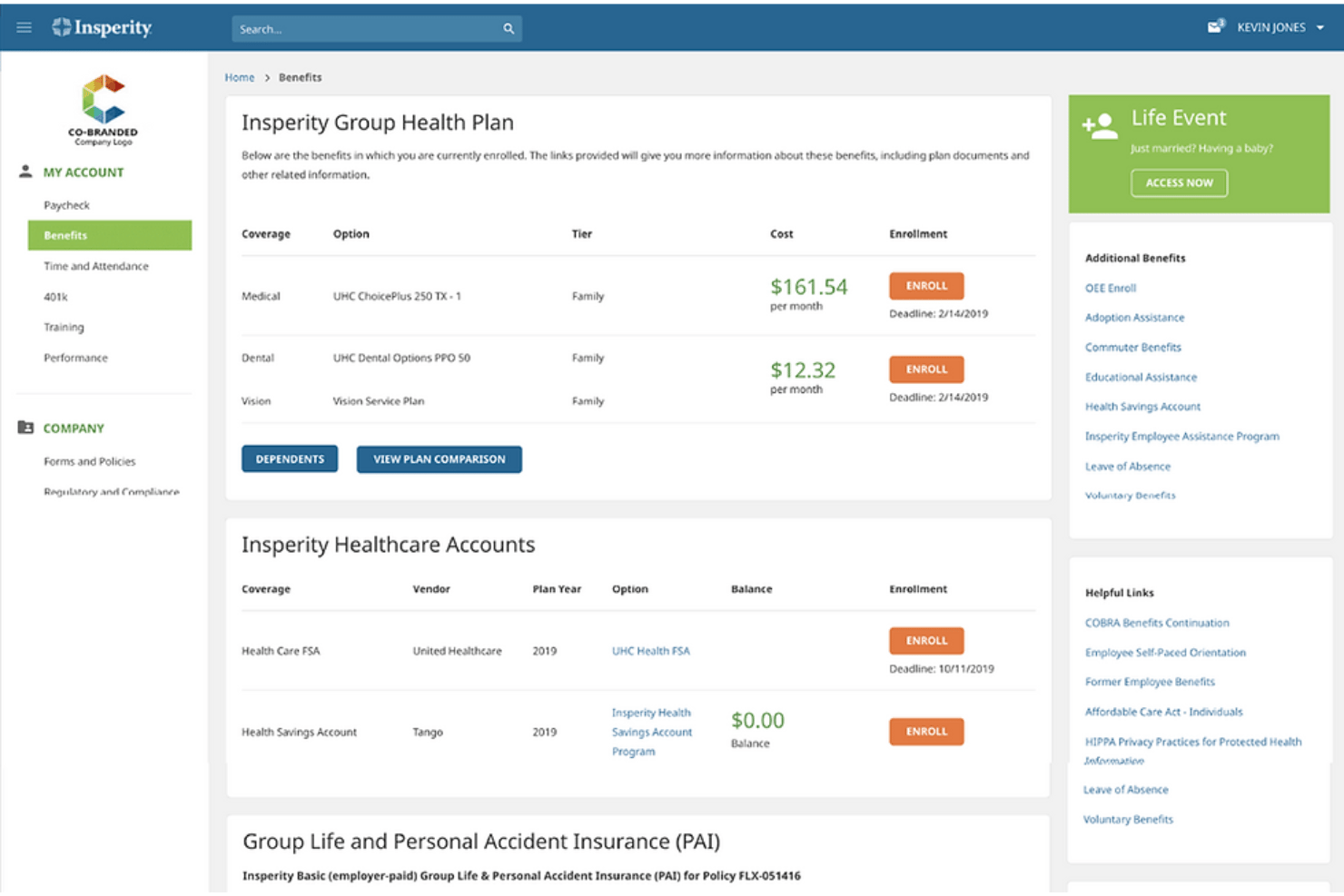
Insperity is a full-service PEO that handles co-employment, multi-state payroll, benefits administration, workers' comp, and HR compliance support for small to midsize businesses.
Who Is Insperity Best For?
Insperity is a strong fit for SMBs with 25 or more employees that need dedicated HR support, Fortune 500-tier benefits, and multi-state compliance coverage without building an in-house HR team.
Why I Picked Insperity
Insperity earns its spot on my shortlist because it brings dedicated, regionally assigned HR teams to SMBs that aren't ready to build in-house HR. I particularly like that each client gets a named HR service team with a 2-hour response SLA, not a call center queue. The UnitedHealthcare master plan, pooled since 2002, gives growing teams access to large-group health insurance pricing well before they'd qualify on their own.
Insperity Key Features
- Multi-state payroll tax filing: Insperity handles federal and state tax withholding, FICA, FUTA, and SUTA filings across all applicable states under its PEO EIN.
- Workers' comp master policy: Coverage runs through a master policy with Chubb, including claims management, safety audits, and OSHA compliance guidance.
- Online training library: Employees and managers get access to 4,500+ courses, 10,000+ eBooks, and 2,500+ videos covering HR regulations, leadership, and workplace compliance.
- Contractor management via Wingspan: Insperity's contractor management add-on handles 1099 filing and onboarding workflows for independent contractors.
Insperity Integrations
Insperity lists integrations with QuickBooks, NetSuite, Workday, SAP SuccessFactors, Oracle HCM, ADP, and Wingspan for contractor management. It also offers an API for custom integrations, but cap table, ATS, expense, and identity integrations aren't documented.
Pros and Cons
Pros:
- Multi-state compliance support with local expertise
- Fortune 500-tier healthcare and benefits access
- Dedicated HR team with a 2-hour response
Cons:
- U.S.-only coverage with no global hiring
- No equity or RSU payroll management

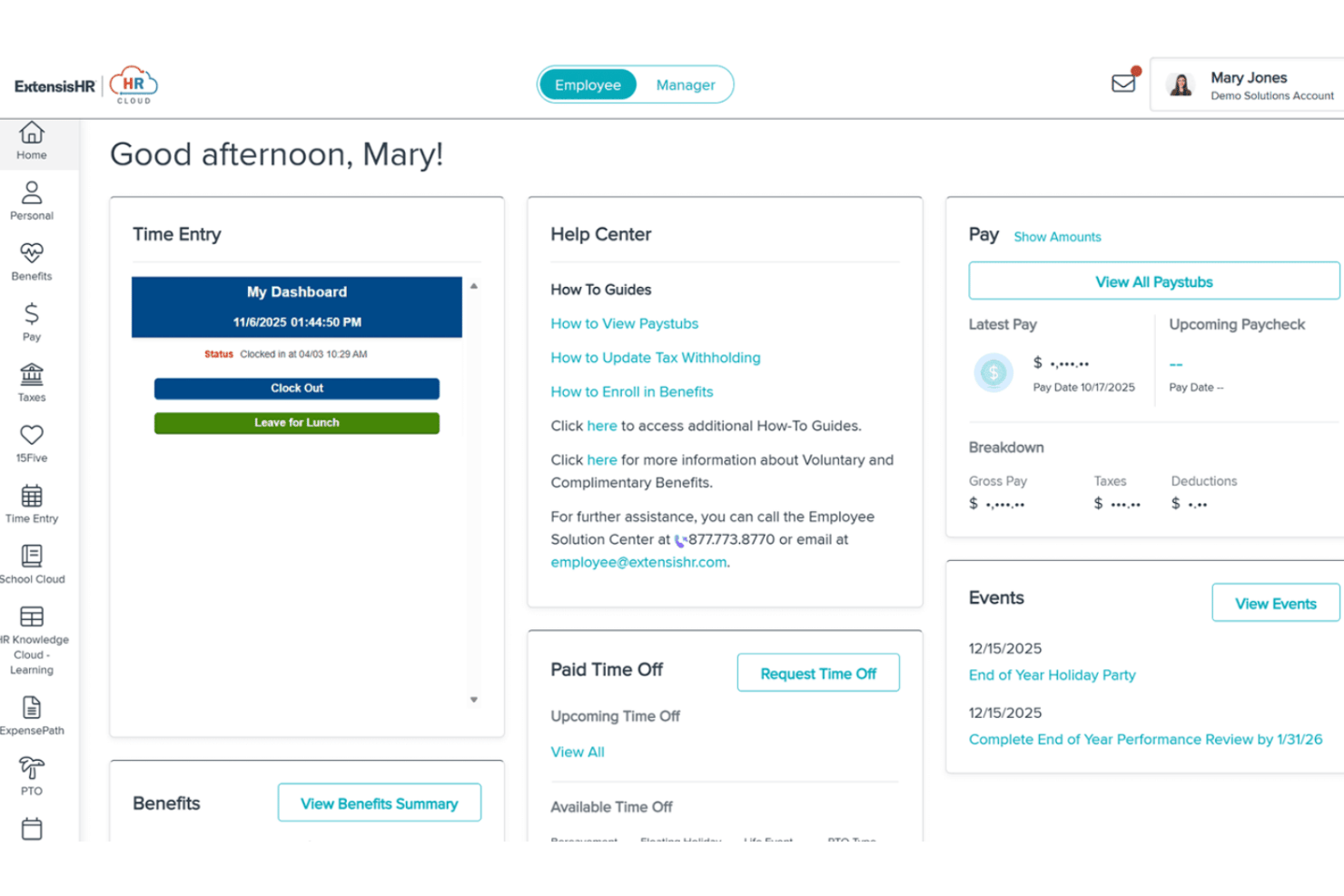
ExtensisHR is a co-employment PEO that pairs startups with a dedicated HR team, covering payroll, benefits administration, compliance, workers' compensation, and recruiting under one platform.
Who Is ExtensisHR Best For?
ExtensisHR is a strong fit for early-stage startups that want dedicated, human-led HR support without building an in-house team.
Why I Picked ExtensisHR
ExtensisHR earns its spot on my shortlist because every client gets a dedicated Account Manager and SHRM-Certified HR Business Partner from day one, not after some growth milestone. I love that full-cycle recruiting is included at no extra cost, so a five-person startup without an HR hire can still post jobs, track candidates, and extend offers through the platform. Its dual IRS CPEO and ESAC certifications also mean co-employment tax liability protections are built in from the start.
ExtensisHR Key Features
- Fortune 500-level benefits access: ExtensisHR pools clients under large-group pricing to give startups access to medical, dental, vision, 401(k), FSA/HSA, and voluntary plans typically reserved for enterprise employers.
- Pay-as-you-go workers' compensation: Workers' comp premiums are spread across each payroll cycle, so you avoid large upfront deposits that can strain early-stage cash flow.
- Work Anywhere® platform: A cloud-based, mobile-first system consolidating payroll, benefits enrollment, time tracking, performance reviews, and compliance training in one place.
- Multi-state payroll and new state registration: ExtensisHR handles tax filings, withholding, and new state registration as your team hires remotely across multiple states.
ExtensisHR Integrations
ExtensisHR does not clearly document native integrations with startup tools such as QuickBooks Online, Carta, Ramp, or Okta. Its Work Anywhere platform is primarily self-contained, and available PrismHR marketplace connections or API access aren't clearly identified.
Pros and Cons
Pros:
- Complimentary full-cycle recruiting included
- Features mobile-first compliance training
- Dedicated HR team from day one
Cons:
- No native international contractor payments
- Lacks direct performance review modules

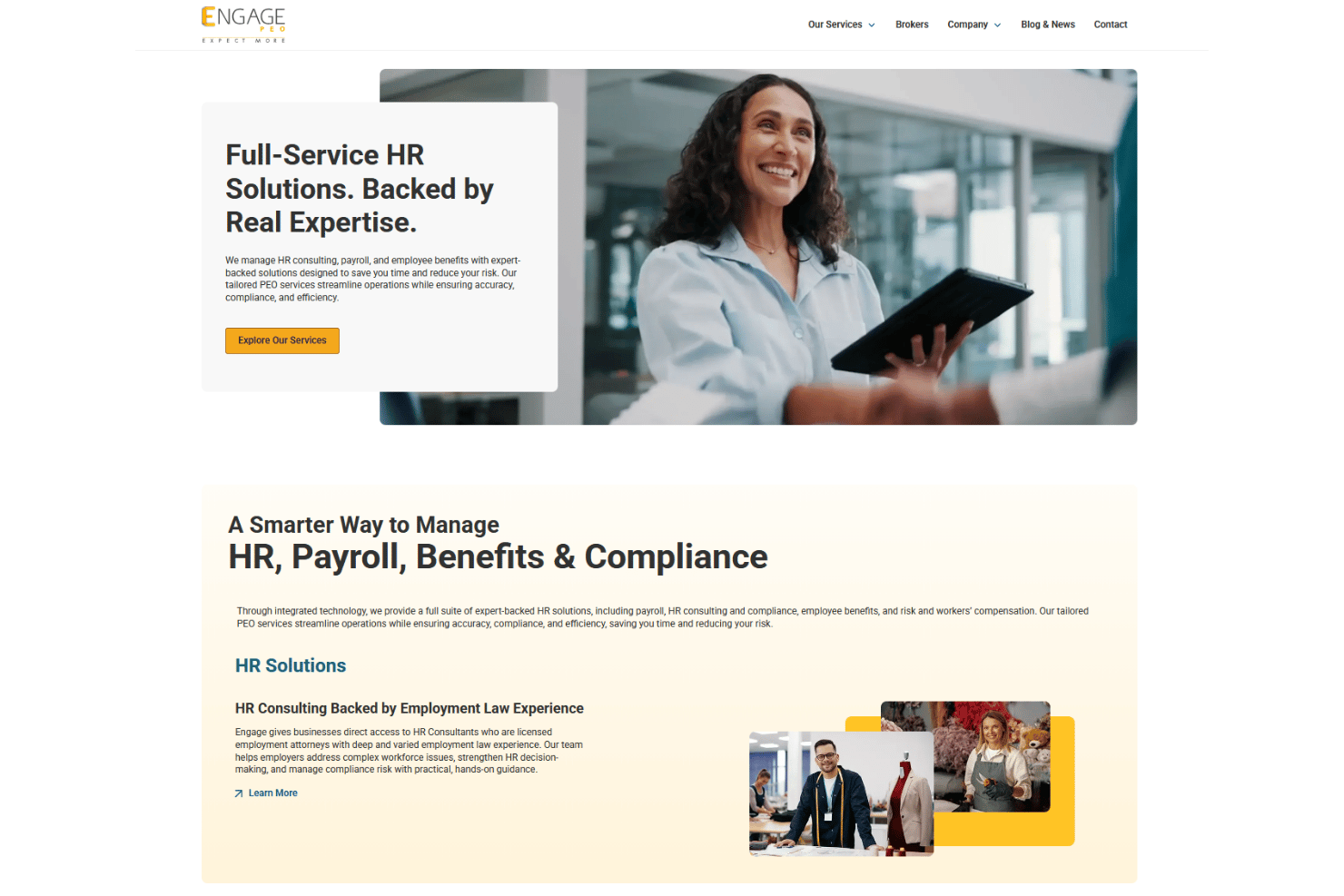
Engage PEO is a full-service professional employer organization that handles payroll, tax administration, employee benefits, workers' compensation, and HR compliance—with every HR consultant on staff being a licensed employment attorney.
Who Is Engage PEO Best For?
Engage PEO is a strong fit for startups scaling into multi-state hiring who want every HR question answered by a licensed employment attorney.
Why I Picked Engage PEO
I've included Engage PEO in my top picks because every HR consultant on staff is a licensed employment attorney, which means your compliance questions get legally grounded answers rather than generalist guidance. When you're scaling into new states, that distinction matters: wage and hour rules, employee classification, and handbook requirements vary significantly, and having an attorney-backed dedicated advisor handle those issues is genuinely uncommon in the PEO space. Pair that with IRS CPEO certification and ESAC accreditation held since 2012, and Engage brings a level of verified credibility that few competitors can match.
Engage PEO Key Features
- Fortune 500-level benefits access: Engage gives small teams access to Aetna national master medical plans, regional HMOs, and a private Corporate Exchange for employee plan selection.
- Online learning management system: An included LMS delivers job-specific, leadership, and compliance training courses—including anti-harassment programs—to employees and managers.
- Workers' compensation coverage: Engage sponsors workers' comp through A-rated carriers, with claims management, return-to-work coordination, and OSHA reporting support included.
- Employee self-service portal: Employees can access pay stubs, tax forms, benefits information, and time tracking through a cloud-based portal tied to the PrismHR platform.
Engage PEO Integrations
Engage PEO has documented integrations with Slavic 401(k), ForUsAll, SwipeClock by IRIS, and HiringThing. It also supports custom general ledger output files for accounting connectivity, though specific platforms aren't named.
Pros and Cons
Pros:
- Supports injury return to work
- Provides custom corporate exchange access
- Every HR advisor is an employment attorney
Cons:
- Excludes direct expense reimbursement tools
- No support for equity or international payroll
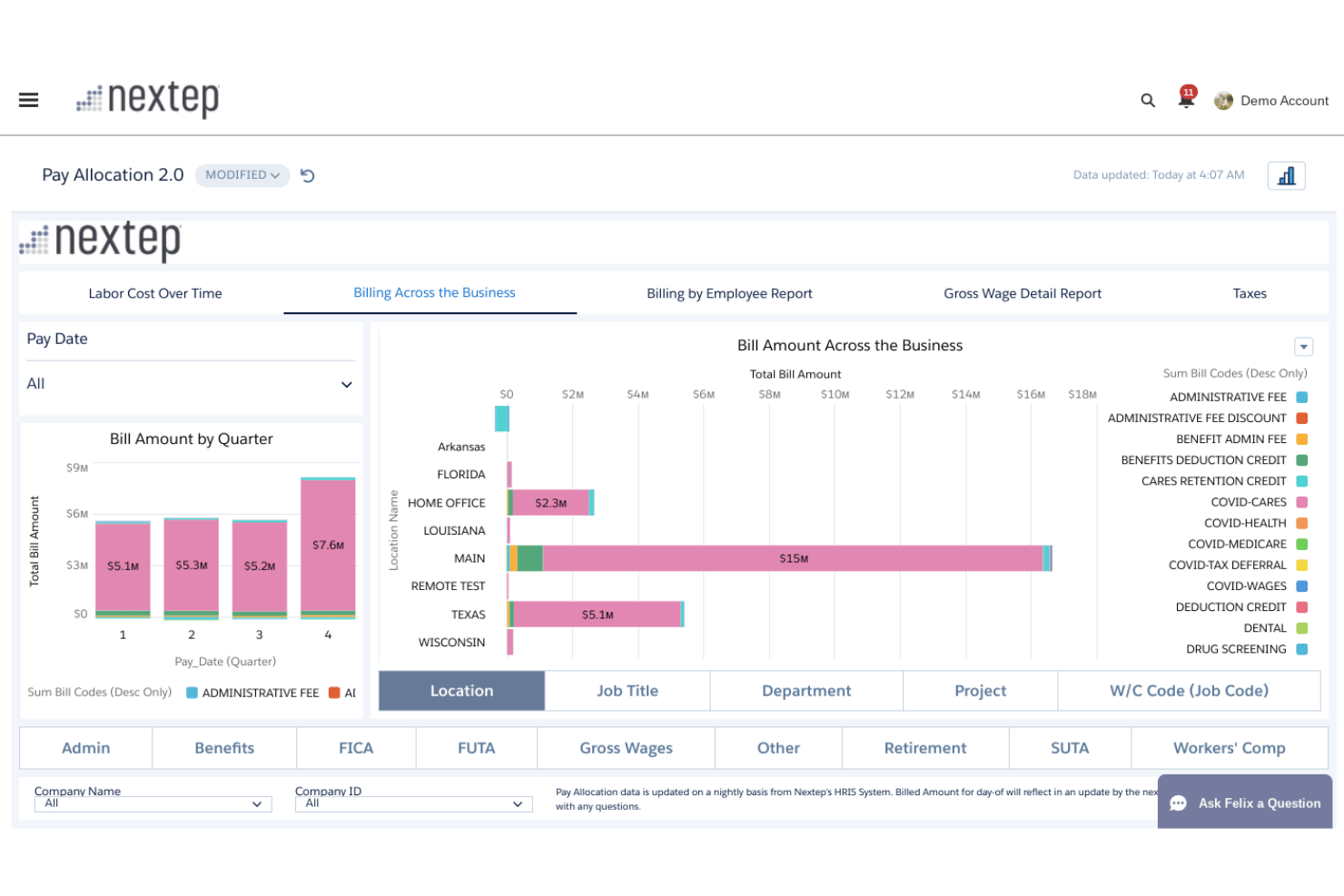
Nextep is a certified PEO that co-employs your workforce to handle payroll, tax filings, benefits administration, HR compliance, and workers' compensation under one flat-fee structure.
Who Is Nextep Best For?
Nextep is a strong fit for small and mid-sized businesses that want certified co-employment, predictable flat-fee billing, and access to large-group health benefits without building an in-house HR team.
Why I Picked Nextep
Nextep earns its spot on my shortlist because of its large-group master medical plan, which gives small employers access to the same health insurance pricing that Fortune 500 companies negotiate. I love that this isn't a watered-down version either: employees get full medical, dental, vision, 401(k), FSA/HSA, and even pet insurance and legal plans under one co-employment arrangement. Nextep's dual IRS CPEO and ESAC certification also means your payroll taxes are filed under Nextep's EIN with full regulatory backing.
Nextep Key Features
- Named HR business partner: Nextep assigns your account a dedicated HR professional for compliance guidance, handbook development, and employee relations support.
- Elevate by Nextep™ platform: A mobile and desktop HR portal where employees manage pay stubs, benefits enrollment, PTO requests, and direct deposit in one place.
- Workers' compensation master policy: Nextep covers your team under a master workers' comp policy through an A-rated carrier, including claims management and safety site visits.
- Itemized flat-fee billing: Every service is broken out line-by-line on your monthly invoice, so you pay only for what you use with no percentage-of-payroll markup.
Nextep Integrations
Nextep doesn't have any native integrations documented. Its site references general ledger reporting, but no named connections to QuickBooks, NetSuite, ATS, cap table, expense, or identity tools.
Pros and Cons
Pros:
- Issues detailed itemized billing statements
- Support mobile employee benefits enrollment
- Advanced remote workplace safety audits
Cons:
- No published onboarding or offboarding workflows
- No support for equity or global payroll
Best for FICA savings passed back to employers
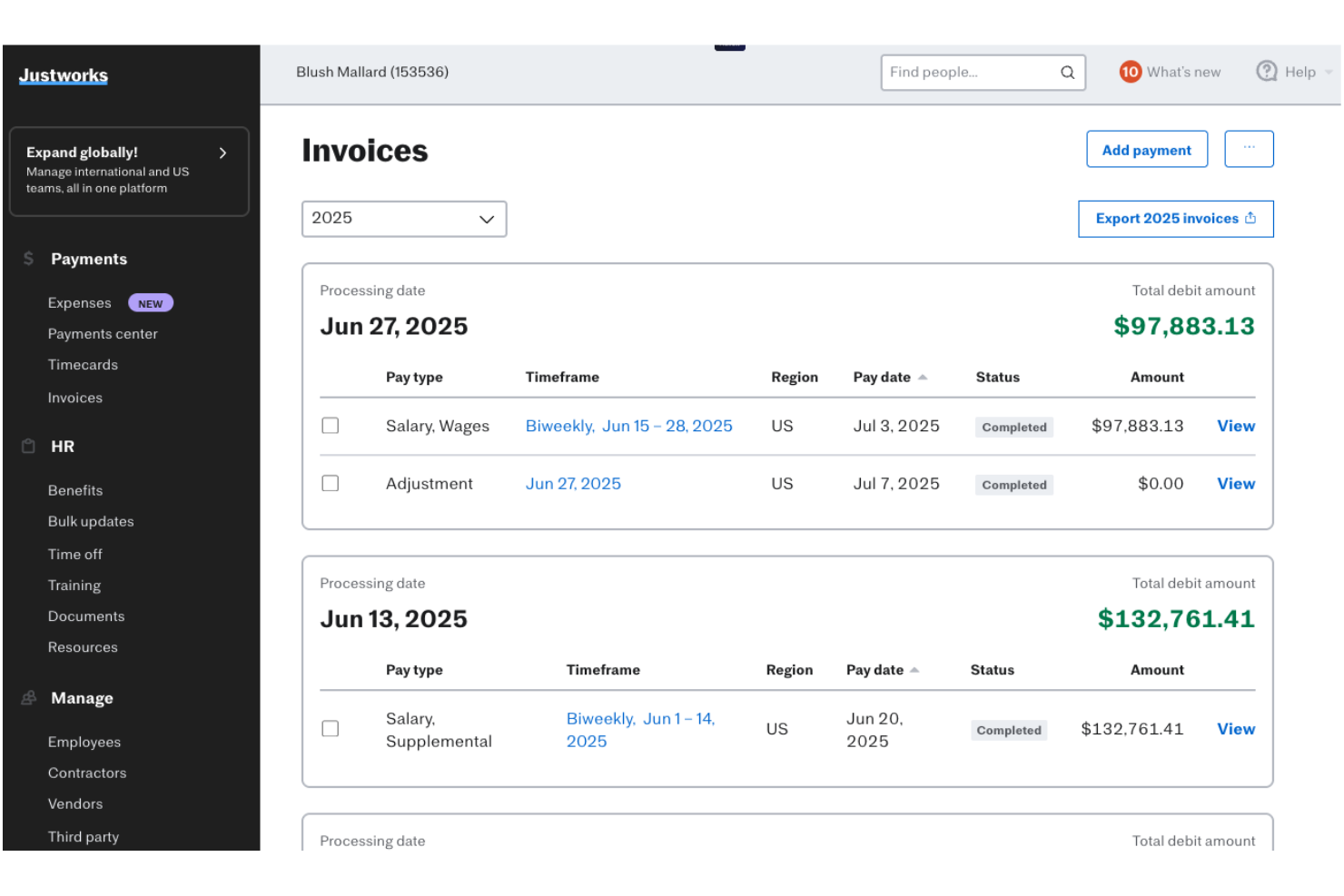
Justworks is a PEO platform for startups and small businesses that handles co-employment, multi-state payroll, tax filings, benefits administration, workers' comp, and HR compliance under one roof.
Who Is Justworks Best For?
Justworks fits startups and small businesses that want to offset PEO costs through FICA savings pass-through and R&D payroll tax credit processing.
Why I Picked Justworks
Justworks earns its spot on my shortlist because it's one of the few PEOs that actually passes FICA payroll tax savings back to you rather than keeping them, which meaningfully offsets your benefits costs. I also like that it handles R&D payroll tax credit processing in-platform, so qualifying startups under $5M in gross receipts can offset up to $500K/year in FICA taxes against eligible R&D spend. Pair that with IRS CPEO certification and ESAC accreditation, and you've got a co-employer built to meet the highest compliance standards in the industry.
Justworks Key Features
- Multi-state payroll filing: Justworks runs payroll across all US states under the PEO's EIN, including federal, state, and local tax filings, W-2s, 1099s, and ACA filings.
- Fortune 500-level benefits access: PEO Plus gives your team medical, dental, vision, 401(k), HSA/FSA, mental health, fertility, and primary care benefits from national carriers.
- International contractor payments: Pay contractors in 60+ countries in local currency or USD directly from the platform, with transparent exchange rates and built-in reporting.
- SUI administration with SIDES brokering: Justworks manages state unemployment insurance filings and brokers UI claims through SIDES for faster, more accurate processing.
Justworks Integrations
Justworks offers native integrations with Carta, Brex, Ramp, QuickBooks, NetSuite, Greenhouse, Lever, Vanta, 15Five, and Culture Amp. These connections cover equity management, accounting, expenses, hiring, compliance, and people operations for startup teams.
Pros and Cons
Pros:
- Includes state unemployment tax administration
- Startup-specific R&D payroll tax credit processing
- FICA payroll tax savings passed to employers
Cons:
- Lacks built-in recruitment tools
- No native ISO or RSU payroll tax handling

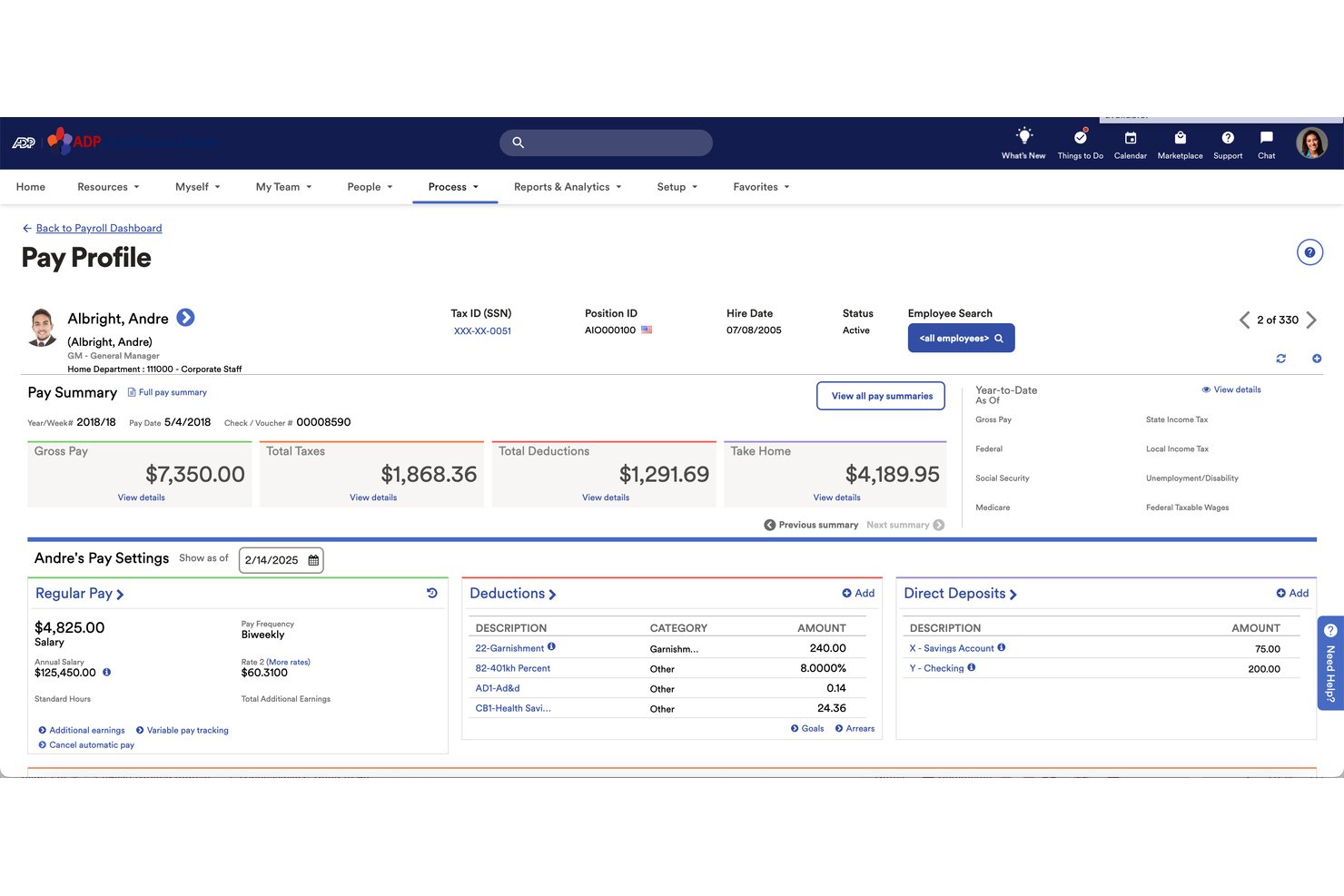
ADP TotalSource is a full-service PEO that handles co-employment, multi-state payroll, tax filings, benefits administration, workers' comp, EPLI, and HR compliance support under one service agreement.
Who Is ADP TotalSource Best For?
ADP TotalSource is a strong fit for scaling startups with 50 or more employees that need enterprise-grade benefits to compete with larger employers for talent.
Why I Picked ADP TotalSource
ADP TotalSource earns its spot on my shortlist because of the benefits access it unlocks for growing startups. With 722,000+ worksite employees in its risk pool, TotalSource negotiates directly with carriers like Aetna, UnitedHealthcare, and Kaiser to deliver Fortune 500-calibre health plans that most companies your size simply can't access on their own. I also like that EPLI coverage comes bundled as standard, so you're not scrambling to source that separately as headcount grows.
ADP TotalSource Key Features
- IRS CPEO and ESAC certification: ADP TotalSource holds dual accreditation as an IRS-certified PEO and ESAC-accredited organization, giving your business the highest level of financial and compliance protection available in the PEO space.
- Dedicated HR business partner: Clients with 100 or more employees get an assigned, credentialed HR business partner who handles employee relations, compliance guidance, and handbook support.
- ADP DataCloud analytics: A benchmarking tool that surfaces pay equity, turnover, and workforce planning data so you can make informed people decisions as your headcount grows.
- Multi-state payroll tax filing: ADP TotalSource manages federal, state, and local tax filings under its own EIN across all 50 states, including SUI management and W-2 production.
ADP TotalSource Integrations
ADP TotalSource offers 300+ marketplace integrations, including QuickBooks, Xero, Jobvite, Leapsome, and Vestwell. An API is available for custom integrations, but startup-specific connections to Carta, Greenhouse, and Ramp aren't documented.
Pros and Cons
Pros:
- Dedicated HR advisor for larger teams
- Workers’ comp and EPLI bundled standard
- Advanced workforce analytics dashboards
Cons:
- Slow onboarding for fast-growing startups
- No continuous employee performance tracking

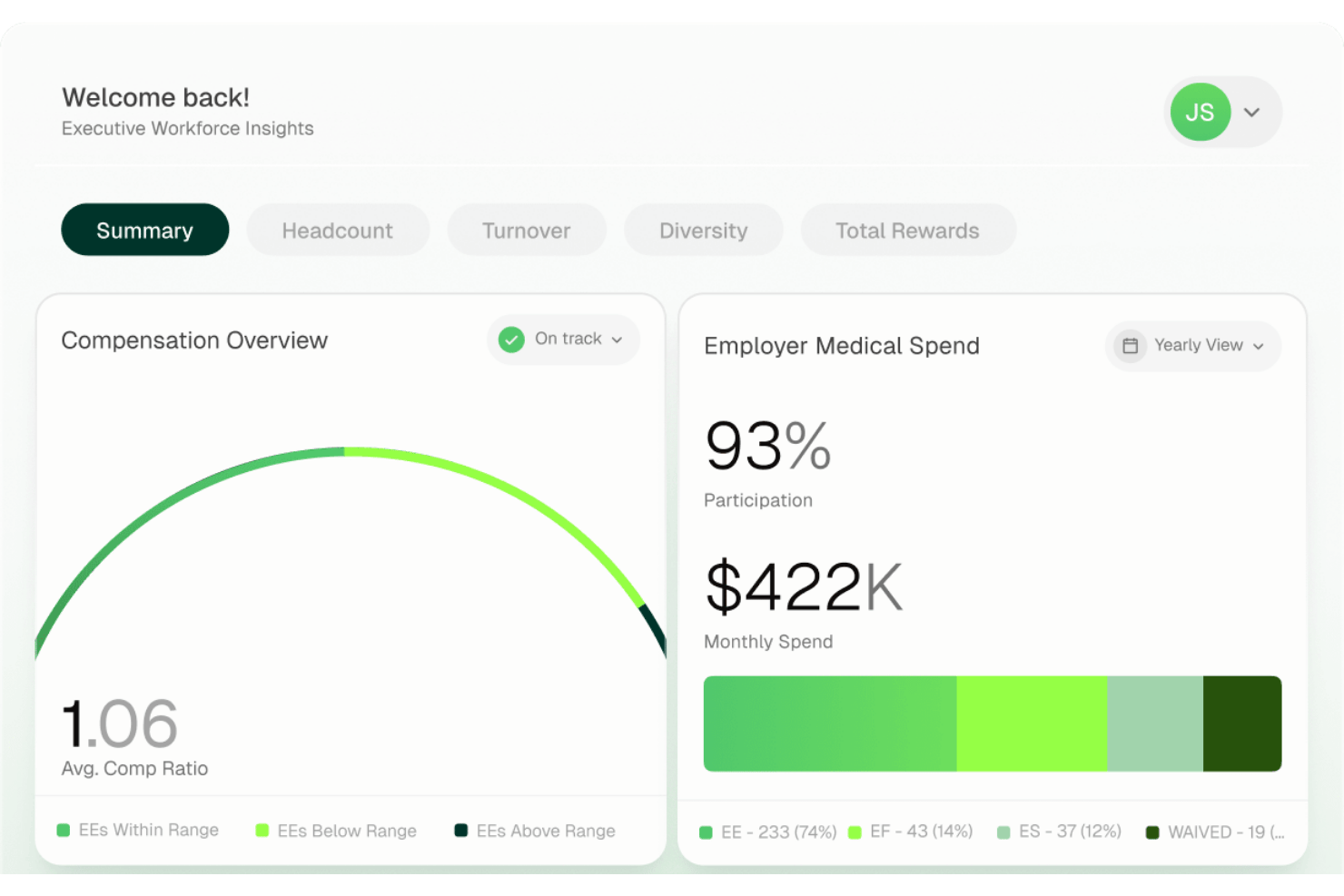
Sequoia One is a PEO built specifically for VC-backed tech startups, offering co-employment, multi-state payroll, benefits administration, HR compliance support, and built-in compensation management with equity grant tools.
Who Is Sequoia One Best For?
Sequoia One is built for VC-backed tech startups that need equity-aware compensation management alongside full-service co-employment.
Why I Picked Sequoia One
Sequoia One earns its spot on my shortlist because no other PEO bundles equity-aware compensation management directly into the co-employment agreement. I love that Sequoia Comp OS comes included at no extra cost, giving VC-backed teams real-time visibility into cash and equity burn relative to funding runway. The Carta integration pulls live equity and total compensation benchmarks directly into that same platform, so you're building grant guidelines from real private-company data rather than guesswork.
Sequoia One Key Features
- IRS CPEO certification and ESAC accreditation: Sequoia One holds both top-tier PEO credentials, with the CPEO status meaning Sequoia One assumes federal payroll tax liability on your behalf.
- Dedicated HR business partner team: Each client gets a named HR business partner plus a dedicated consulting team to handle multi-state compliance guidance, handbook support, and proactive labour law alerts.
- Fortune 500-level benefits pooling: By co-employing your workforce, Sequoia One negotiates medical, dental, vision, 401(k), and ancillary benefits at rates typically reserved for large employers.
- Remote partnership for global hiring: A built-in integration with Remote gives your team access to employer of record services, global contractor management, and multi-country payroll without adding a separate vendor.
Sequoia One Integrations
Sequoia One has documented integrations with Carta, Remote, Workday, Rippling, ADP Workforce Now, and UKG Pro for equity data, global hiring, HR, benefits, and payroll workflows.
Pros and Cons
Pros:
- Benchmarks real total compensation data
- Dedicated HR business partner for each client
- Includes compensation management and equity tracking
Cons:
- Platform requires using two separate systems
- Lacks internal employee communication tools
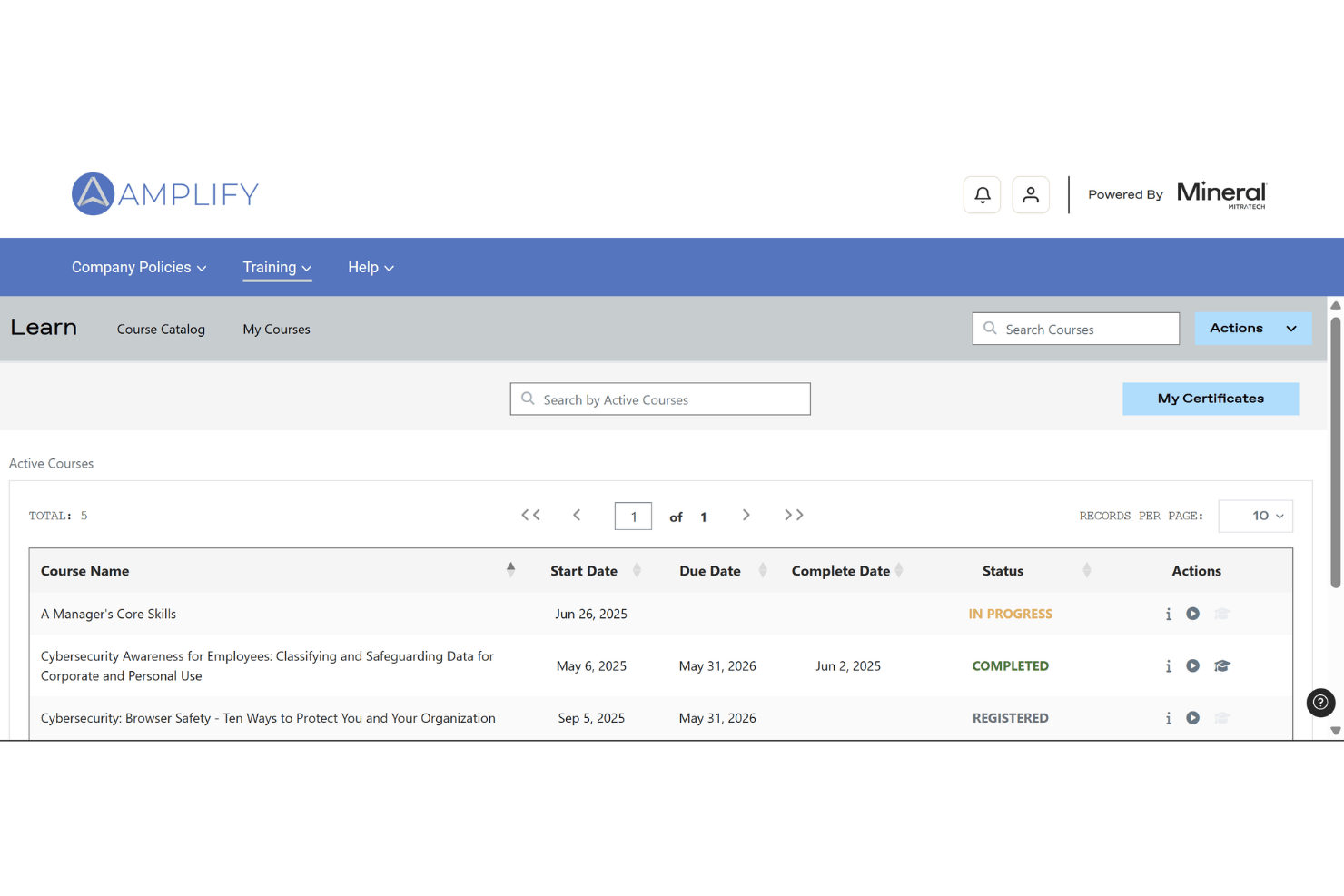
Amplify PEO is a co-employment PEO service that handles payroll, benefits administration, HR advisory support, workers' compensation, and multi-state compliance for startups and growing businesses.
Who Is Amplify PEO Best For?
Amplify PEO is a strong fit for growing startups in the 10–150 employee range that want dedicated HR advisor support and access to zero-deductible health plans without building an in-house HR team.
Why I Picked Amplify PEO
Amplify PEO earns its spot on my shortlist because it's one of the few PEOs that holds both ESAC accreditation and IRS CPEO certification, giving your business federal payroll tax liability protection that most PEOs can't match. What really sets it apart is the FirstAdvantage™ zero-deductible health plans, which give a 20-person startup access to the same benefit tier a 500-person company would get. I also like that you get a named HR advisor with a same-day response SLA, not a rotating support queue.
Amplify PEO Key Features
- Multi-state payroll processing: Amplify handles federal, state, and local tax filings across multiple states, including W-2 preparation and direct deposit.
- Employer Protection Program (EPP): Provides up to $1 million in employment liability coverage, giving startups a financial safety net against employment-related claims.
- Optional applicant tracking system (ATS): Includes career site integration, automated candidate screening, e-signatures, and onboarding integration as a modular add-on.
- Pay-as-you-go workers' compensation: Workers' comp is sponsored under the PEO and billed based on actual payroll, reducing upfront cash requirements for early-stage teams.
Amplify PEO Integrations
Amplify PEO's documented integrations include FIS, Fidelity, and Slavic 401k for retirement-plan reporting. It also supports general ledger uploads, but named accounting integrations and startup tools such as Carta or QuickBooks aren't publicly documented.
Pros and Cons
Pros:
- Flexible pay cycle billing
- Dedicated HR advisors with same-day response
- Delivers employment practices liability coverage
Cons:
- Limited public integrations with startup tools
- No customizable employee training management
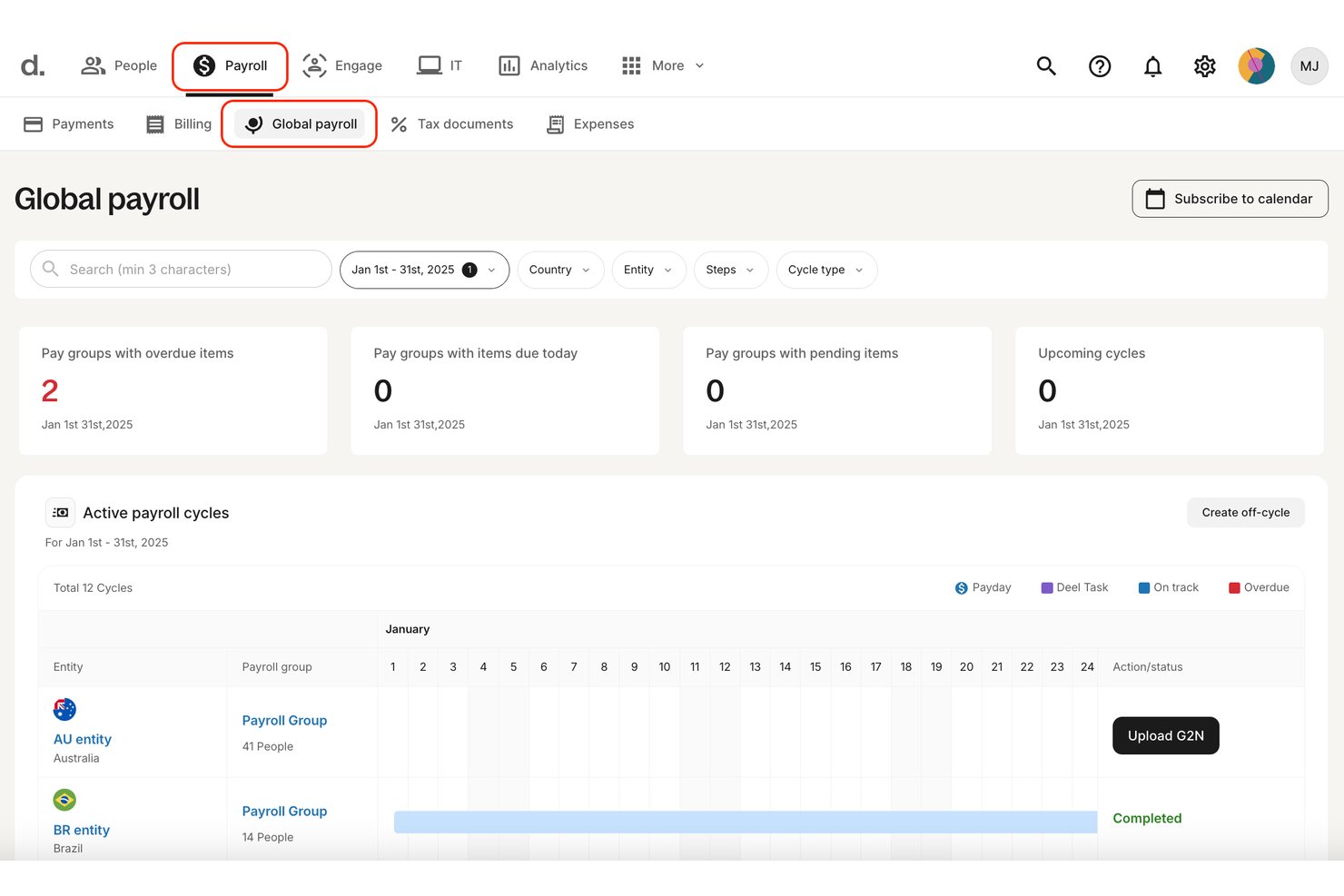
Deel PEO is a professional employer organization platform that combines US co-employment, multi-state payroll and tax filing, benefits administration, and global contractor and EOR management in a single platform.
Who Is Deel PEO Best For?
Deel PEO is a strong fit for remote-first startups that need to manage US W-2 employees, international contractors, and global hires from a single platform.
Why I Picked Deel PEO
Deel PEO earns its spot on my shortlist because it's the only PEO I know of that lets you manage US W-2 employees, international contractors, and global EOR hires from one platform. I particularly like the native Carta integration, which syncs equity grant data directly into Deel and automates global equity tax withholdings, a real asset for startups running stock options or RSU programs. The PEO Fast Track gets teams of 20 or fewer live within one calendar week, with employee onboarding completable in roughly five minutes per person.
Deel PEO Key Features
- Dedicated HR business partner: Each PEO client is assigned a named, certified HR professional who provides direct compliance guidance, handbook support, and state-specific employment law advice.
- Multi-state payroll tax filing: Deel handles federal, state, and local tax filings across all 50 states under its PEO EIN, including W-2, W-4, and I-9 management.
- Fortune 500-level benefits access: Employees get access to major medical, dental, vision, 401(k), HSA/FSA, fertility, mental health, and disability plans through Aetna, Kaiser Permanente, and MetLife master plans.
- Deel Shield misclassification protection: The platform includes a Worker Classification AI tool and misclassification risk coverage for international contractors paid alongside US W-2 employees.
Deel PEO Integrations
Deel offers 80+ integrations, including Carta, QuickBooks Online, Xero, NetSuite, Workday, Greenhouse, Ashby, Lever, Slack, and Okta. Deel also provides an API and Workflow Builder for custom HR, finance, and onboarding connections.
Pros and Cons
Pros:
- Automates worker classification risk assessment
- Native equity payroll sync with Carta integration
- Unified platform for global and US hiring
Cons:
- Excludes automated background check workflows
- Not IRS CPEO certified or ESAC accredited

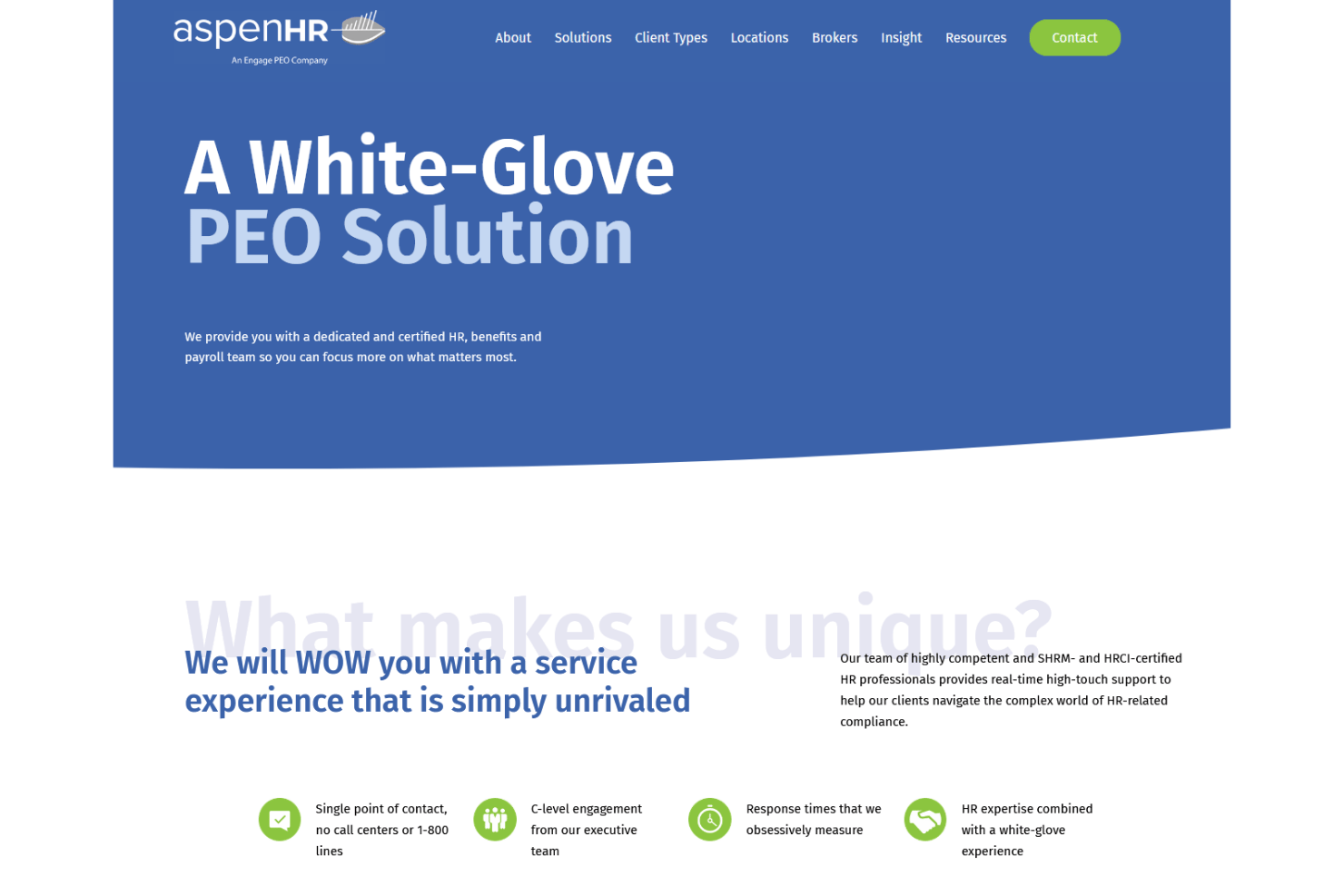
Aspen HR is a co-employment PEO built for VC-backed startups, offering full-service payroll, Fortune 500-tier benefits, multi-state compliance, and named SHRM/HRCI-certified HR advisors.
Who Is Aspen HR Best For?
Aspen HR is a strong fit for VC-backed startups with lean or no in-house HR teams that need a named, certified HR advisor rather than a call center.
Why I Picked Aspen HR
Aspen HR earns its spot on my shortlist because it's the only PEO I've found that pairs true co-employment credentials (both IRS CPEO certification and ESAC accreditation) with a named, SHRM/HRCI-certified HR advisor for every client. I love that VC-backed startups get a single point of contact who handles multi-state compliance and employee handbook creation, with no call center routing. That named-advisor model is what sets Aspen HR apart for lean founding teams.
Aspen HR Key Features
- Fortune 500-tier benefits access: Large-group medical, dental, vision, and 401(k) plans through carriers like Aetna, UnitedHealthcare, Cigna, and Fidelity are available to companies with as few as 2 employees.
- Multi-state payroll processing: Aspen Cloud handles payroll tax remittance and filings across federal, state, and local levels, with employee self-service for pay stubs, direct deposit, and PTO tracking.
- Employment Practices Liability Insurance (EPLI): Workers' compensation, EPLI, and OSHA compliance are bundled into the PEO offering alongside claims management and wage and hour compliance support.
- State-specific new hire document services: Aspen HR provides jurisdiction-specific onboarding documents to keep multi-state hiring compliant from day one.
Aspen HR Integrations
Aspen HR documents one native integration: QuickBooks Online, which supports accounting reconciliation. Its public materials don’t clearly document native connections to ATS, cap table, expense, or identity platforms.
Pros and Cons
Pros:
- 50-state compliance guidance for distributed teams
- Handles complex claims management workflows
- Named SHRM/HRCI advisor for every client
Cons:
- No built-in support for global contractors
- No standalone payroll-only option
Other PEOs for Startups
Here are some additional PEO options for startups that didn’t make it onto my shortlist, but are still worth checking out:
- TriNet
For R&D tax credit-aware payroll
- Paychex PEO
For established compliance and benefit scale
- Rippling
For scaling off PEO without switching platforms
- Remote
For global-first startups scaling US payroll
- G&A Partners
For high-touch HR advisory at SMB scale
- CoAdvantage
For multi-carrier benefits with a named HR advisor
- PrestigePEO
For triple-accredited co-employment at SMB scale
- Questco
For pay-as-you-go workers' comp at SMB scale
- MidwestHR
For 30-day contracts with no headcount floor
- Resourcing Edge
For scalable co-employment with CPEO backing


How I Evaluate PEOs for Startups
I look at two things: whether a PEO can genuinely absorb co-employment risk for a 10-person team, and what separates one provider from another when a founder's hair is on fire at payroll time.
Core Service Offerings (Table Stakes for This List)
When I'm selecting providers for my list, I rank each one on a scale from 0 (does not offer the service) to 5 (excels in this area) for each core service listed below. I then calculate the provider's total score into a percentage, using 65% as a benchmark to help assess its overall fit for the list.
- Co-employment model: I check whether a provider holds IRS CPEO certification or ESAC accreditation and can operate across multiple states under a true co-employment arrangement.
- Payroll and tax filing: Multi-state payroll under the PEO's EIN matters here, including automated tax filings, W-2s, and 1099 processing as your team spreads across new jurisdictions.
- Benefits administration: I evaluate whether the provider offers large-group master health plans, 401(k), and ancillary coverage that lets a 15-person startup compete with established employers on total comp.
- HR and compliance support: A named HR advisor who can build your first employee handbook and flag state-specific leave law changes is what I look for, not just a self-serve knowledge base.
- Workers' comp and risk: I look for PEOs that sponsor a master workers' compensation policy and bundle EPLI, safety programs, and claims support rather than referring you to a third party.
- Startup-friendly scalability: Transparent per-employee pricing, low or no minimum headcount requirements, and a clear offboarding path for when you're ready to bring HR in-house all factor into my evaluation.
Once I have a list of providers that meet the criteria, I consider what sets each one apart from the rest.
Differentiating Factors (What Sets Providers Apart)
Here's how I compare and contrast different providers:
Standout Services
I evaluate how each PEO handles equity compensation, since most startups lean heavily on stock options and RSUs. A provider that can process ISO/NSO tax treatment and vesting events inside payroll saves founders from costly manual workarounds. I also look at PEO exit flexibility—specifically, whether a startup can transition to a standalone HRIS without losing payroll history or disrupting benefits coverage. R&D tax credit automation is another differentiator I check, because eligible startups frequently leave significant credits unclaimed.
Beyond Core Offerings
I check how fast a provider can run first payroll—days matter when you've just closed a round and need to onboard hires immediately. Pricing transparency is equally important; I look for per-employee-per-month models with no minimums or termination penalties that punish pivots. I also evaluate integrations with tools like QuickBooks, Carta, and Greenhouse, since a PEO that can't sync with your cap table or ATS creates manual work that defeats the purpose.
What Are PEOs For Startups?
PEOs for startups are professional employer organizations that take on payroll, compliance, and benefits administration for growing companies under a co-employment model. They handle HR tasks that can overwhelm lean teams and help you offer big-company benefits, keep up with new regulations, and reduce risk as your headcount grows or goes remote. This lets you and your team focus on scaling the business instead of managing admin.
How to Choose a PEO for Startups
Which PEO is best for your startup depends on how you weigh payroll, compliance, scaling, and benefits—here’s how to connect your biggest priorities to the right criteria:
| If your priority is… | Look for… |
|---|---|
| Low admin lift with rapid onboarding | Average payroll launch times under 14 days |
| R&D credits and equity in payroll | In-house equity comp processing and tax credit tools |
| Multi-state or global hiring | Direct support for 3+ states and global co-employment |
| Startup health plans at group rates | Large-group benefits for <10 employees |
| Flexible exit as you scale | Built-in migration to standalone HRIS |
How to Vet Your Shortlist
- Test onboarding speed: Request a sample onboarding timeline and ask to speak to a reference who onboarded in <14 days.
- Verify compliance expertise: Ask for proof of CPEO or ESAC accreditation and sample compliance audit reports.
- Evaluate equity and R&D handling: Request a demo payroll run with dummy RSU grants and R&D tax credits.
- Check benefits coverage: Compare real plan documents for a small (5-person) team across at least two states.
- Decide on support vs. autonomy: Weigh white-glove HR support against DIY options for payroll and compliance as your startup matures.
When to Use a PEO for Startups
A PEO for startups makes the most sense when your headcount is growing faster than your HR infrastructure can keep up, especially if you're hiring across state lines without a compliance team in place.
These are the scenarios where it tends to make the biggest difference.
- Hiring across multiple states at once: You're adding hires in three states within a quarter. Navigating separate tax registrations and leave law differences without a compliance team is a real liability. A PEO handles it under one EIN.
- Candidates are choosing larger employers: A 20-person startup rarely qualifies for the same group health rates a 500-person company gets. Joining a PEO's master plan gives your team comparable coverage, which means fewer offer rejections.
- You just closed a funding round: You've signed term sheets and your board expects 15 new hires in 90 days. Setting up payroll, benefits, and compliance from scratch in that window is a real bottleneck. A PEO can have first payroll running in days.
Equity events are breaking your payroll: ISO exercises and RSU vest events hit payroll in ways most small HR setups aren't built for. Missing the right tax treatment on a batch of options creates liability you can't easily unwind.
Pricing of PEO for Startups
PEO for startups typically cost between $120 and $200 per employee per month, depending on your team size and the complexity of your benefits package. Providers generally work within one of the following pricing structures:
| Pricing Model | Average Price | Service Inclusions | Best For |
|---|---|---|---|
| Per employee monthly | $120–$200 per employee | Payroll, HR, benefits, compliance | Growing teams with steady needs |
| Flat monthly fee | $1,500–$3,000 monthly | Coverage for up to 15 employees | Early-stage, fixed-budget teams |
| Percentage of payroll | 2%–6% of gross payroll | All core PEO services | Startups with variable payrolls |
| Bundled plan | $2,000–$4,500 monthly | Health, 401(k), HR, onboarding | Startups prioritizing top benefits |
| Custom enterprise | Quote-based | Advanced compliance, global support | Large or complex organizations |
Choosing the right plan helps you align price with required support and growth trajectory.
Key Factors That Influence Pricing
Beyond the specific pricing model, here are some additional factors that can influence the cost of PEO for startups:
- Number of employees: Larger teams often qualify for volume discounts yet increase overall costs as headcount rises.
- Multi-state operations: The need for compliance across several jurisdictions raises administrative and legal requirements.
- Type of benefits package: Premium medical, dental, and vision plans significantly affect monthly rates.
- Equity compensation management: Providers that can handle ISO, NSO, and RSU payroll events charge for this added complexity.
- Onboarding and offboarding support: Rapid hiring waves or frequent changes can drive up implementation fees.
Clarity on these pricing structures and influencing factors will make it easier to compare providers and get precise quotes.
PEOs for Startups FAQs
Here are some answers to common questions about PEOs for startups:
How do I choose the right PEO for my startup?
Start by mapping your HR administration and global payroll priorities, like multi-state hiring or fast onboarding. Look for PEO companies offering strong compliance credentials, startup-rated health insurance, and transparent, per-employee pricing instead of taking a percentage of payroll. Always test their HR platform and scalable solutions before deciding.
Can startups use a PEO if they have fewer than five employees?
Yes, many PEOs work with startups that have just a few employees. Look for vendors with no or low minimum headcount requirements and short contract terms, so you don’t overcommit early. Some PEOs even let you sign up with a single full-time employee or your founding team.
Do PEOs handle stock option and RSU payroll for startups?
Some PEOs are built to process equity compensation, including stock options and RSUs, as part of payroll. Not all offer this, so always confirm they support your specific equity plan and can automate tax withholding and reporting for equity grants.
What happens if my startup outgrows its PEO?
Most PEOs offer exit and migration support, letting you move to an HRIS or direct payroll without losing your payroll history or disrupting benefits. Make sure your PEO has a clear exit process and check if there are extra fees or notice periods.
Are PEOs responsible for all HR compliance at my startup?
No, while PEOs take on a lot of compliance tasks—like payroll tax filing, wage reporting, and benefits administration—you still need to follow other employment laws. Expect your PEO to support and advise, but keep oversight of your workplace policies and practices.