

10 beste Paycom-Konkurrenten für Gehaltsabrechnung & Personalwesen im Jahr 2026

Auswahl der besten Paycom-Konkurrenten


Paycom ist zwar eine äußerst renommierte und leistungsstarke Software für die Lohnabrechnung, aber möglicherweise nicht die beste Lösung für Ihre Anforderungen.
Ich habe jahrelang Lohnabrechnungs- und HR-Software für verschiedene Branchen und Teamgrößen bewertet.
In diesem Artikel stelle ich die besten Paycom-Alternativen vor und beleuchte ihre herausragenden Funktionen, Stärken und idealen Einsatzbereiche, damit Sie sicher das beste Tool für Ihr Unternehmen auswählen können.
Was ist Paycom?
Paycom ist eine Lohnabrechnungssoftware, die für die effiziente Verwaltung von Lohnabrechnungs- und HR-Aufgaben entwickelt wurde. Sie wird in der Regel von HR-Fachkräften und Lohnabrechnungsmanagern verwendet, die ein zuverlässiges System für die Verwaltung von Mitarbeiterdaten benötigen.
Funktionen wie Lohnabrechnung, Zeiterfassung und Self-Service für Mitarbeiter helfen dabei, Fehler zu reduzieren und Zeit zu sparen. Insgesamt bietet Paycom einen Mehrwert, indem komplexe HR-Prozesse für Ihr Team vereinfacht werden.
Zusammenfassung der besten Paycom-Konkurrenten
Diese Vergleichstabelle fasst die Preisinformationen meiner wichtigsten Paycom-Alternativen zusammen, damit Sie die beste Lösung für Ihr Budget und Ihre geschäftlichen Anforderungen finden.
| Tool | Best For | Trial Info | Price | ||
|---|---|---|---|---|---|
| 1 | Am besten für Analysen der Lohnabrechnung geeignet | Kostenlose Demo verfügbar | Preise auf Anfrage | Website | |
| 2 | Am besten für anpassbare Lösungen | Nicht verfügbar | Preis auf Anfrage | Website | |
| 3 | Am besten für Echtzeiterkenntnisse geeignet | 30-tägige kostenlose Testversion verfügbar | Preis auf Anfrage | Website | |
| 4 | Am besten für KI-Integration geeignet | Kostenloses Erstgespräch | Preis auf Anfrage | Website | |
| 5 | Am besten für integrierte Personalverwaltung geeignet | Kostenlose Demo verfügbar | Preis auf Anfrage | Website | |
| 6 | Am besten für komplexe Anforderungen an die Belegschaft geeignet | Kostenlose Demo verfügbar | Preis auf Anfrage | Website | |
| 7 | Am besten für Einblicke in Echtzeit geeignet | 60-tägige kostenlose Testversion | Preis auf Anfrage | Website | |
| 8 | Am besten für persönlichen Support geeignet | Kostenlose Demo verfügbar | Preise auf Anfrage | Website | |
| 9 | Am besten für die Einhaltung globaler Lohnabrechnungsvorschriften | Kostenlose Demo verfügbar | Ab 29 $/Benutzer/Monat | Website | |
| 10 | Ideal für verteilte Teams | Kostenlose Demo verfügbar | Ab $29/Benutzer/Monat | Website |

Warum Sie unseren Software-Bewertungen vertrauen können
Unser Team testet und bewertet Software seit 2012. Als HR-Experten wissen wir selbst, wie schwierig – und wichtig – es ist, die richtige Software auszuwählen.
Für diesen Leitfaden haben wir Tools mithilfe von praktischen Tests und unabhängiger Recherche bewertet und dabei unsere Bewertungskriterien angewendet. Zudem greifen wir auf Erkenntnisse von Branchenvordenkern und praktizierenden HR-Experten zurück.
Unsere Bewertungen spiegeln unser menschliches redaktionelles Urteilsvermögen wider, keine Verkaufsstrategie.
Expertenprüfer:
Bewertungen der besten Paycom-Konkurrenten
Nachfolgend finden Sie meine ausführlichen Zusammenfassungen der besten Paycom-Konkurrenten, die es in meine Auswahl geschafft haben. Meine Bewertungen bieten einen detaillierten Einblick in die wichtigsten Funktionen, Vor- und Nachteile, Integrationen und idealen Einsatzbereiche jedes Tools, damit Sie die beste Lösung für sich finden.
Workday
Am besten für Analysen der Lohnabrechnung geeignet

Workday ist eine cloudbasierte Unternehmensmanagement-Plattform für mittelständische und große Unternehmen. Sie unterstützt HR-Teams bei der Verwaltung von Lohnabrechnung, Finanzen und Personalwesen.
Warum Workday ein guter Paycom-Wettbewerber ist: Workday bietet fortschrittliche Analysen zur Lohnabrechnung, die Einblicke in Ihre Finanz- und Personaldaten liefern. Die Echtzeit-Berichtsfunktionen der Plattform helfen Ihnen, schnell fundierte Entscheidungen zu treffen. Die globale Lohnabrechnungsverwaltung macht Workday ideal für Unternehmen mit internationalen Teams. Der Fokus von Workday auf Analysen und Berichte verbessert Ihre Fähigkeit, HR-Funktionen effektiv zu verwalten und zu optimieren.
Herausragende Funktionen & Integrationen:
Zu den Funktionen gehören Echtzeit-Berichte, globale Lohnabrechnungsverwaltung und Personalplanung. Diese Tools helfen Ihrem Team, datengestützte Entscheidungen zu treffen und HR-Prozesse zu optimieren. Workday bietet außerdem Lösungen für das Talentmanagement zur Unterstützung der Weiterentwicklung von Mitarbeitenden.
Zu den Integrationen gehören Salesforce, Microsoft Azure, Slack, Google Workspace, ServiceNow, Okta, SAP SuccessFactors, Oracle, ADP und Deloitte.
Pros and Cons
Pros:
- Fortschrittliche Analysen der Lohnabrechnung
- Echtzeit-Berichtsfunktionen
- Unterstützt die globale Lohnabrechnungsverwaltung
Cons:
- Komplexe Ersteinrichtung
- Steile Lernkurve
Paychex
Am besten für anpassbare Lösungen

Paychex ist eine Lohnabrechnungs- und HR-Lösung für kleine und mittelgroße Unternehmen. Sie unterstützt HR-Teams dabei, Lohnabrechnungen, Sozialleistungen und Compliance-Aufgaben effizient zu verwalten.
Warum Paychex ein guter Paycom-Konkurrent ist: Paychex bietet anpassbare Lösungen, die auf die spezifischen Anforderungen Ihres Unternehmens zugeschnitten sind. Die Plattform bietet flexible Optionen für die Lohnabrechnung und umfassende Unterstützung bei Compliance-Anforderungen. Außerdem umfasst sie eine Verwaltung von Mitarbeiterleistungen, die Sie dabei unterstützt, Talente zu gewinnen und zu halten. Die Anpassungsfähigkeit von Paychex macht die Lösung zu einer guten Wahl für Unternehmen, die maßgeschneiderte HR-Lösungen suchen.
Hervorzuhebende Funktionen & Integrationen:
Zu den Funktionen gehören die Erfassung von Arbeitszeiten und Anwesenheit, die HR-Verwaltung sowie Steuerdienstleistungen. Diese Funktionen helfen Ihrem Team dabei, HR-Aufgaben effektiv zu verwalten. Paychex bietet außerdem Altersvorsorgedienstleistungen zur Unterstützung der finanziellen Planung Ihrer Mitarbeiter.
Zu den Integrationen gehören QuickBooks, Xero, Microsoft Dynamics, Salesforce, BambooHR, Sage, NetSuite, Intacct, Zoho Books und FreshBooks.
Pros and Cons
Pros:
- Anpassbare Lösungen
- Flexible Lohnabrechnung
- Umfassende Unterstützung bei Compliance-Anforderungen
Cons:
- Komplexität bei der Ersteinrichtung
- Lernkurve für neue Benutzer

Am besten für Echtzeiterkenntnisse geeignet

SAP SuccessFactors ist eine cloudbasierte Lösung für das Human Capital Management (HCM), die für Unternehmen jeder Größe entwickelt wurde. Sie unterstützt HR-Teams bei der Verwaltung von Mitarbeiterleistungen, Recruiting und Schulungen.
Warum es ein guter Paycom-Konkurrent ist: SAP SuccessFactors ist eine umfassende Plattform für Lohnabrechnung und HR, die für globale Organisationen entwickelt wurde, die Skalierbarkeit, Genauigkeit und Compliance benötigen. Sie ermöglicht eine leistungsfähige Lohnabrechnung in mehreren Ländern und gewährleistet pünktliche, fehlerfreie Zahlungen unter Einhaltung der lokalen Arbeitsgesetze.
Die Plattform integriert die Lohnabrechnung mit umfassenderen HR-Funktionen – etwa Leistungsmanagement, Lernen und Personalplanung – und ermöglicht so eine einheitliche Erfahrung bei der Mitarbeiterverwaltung. Echtzeitanalysen und Berichte helfen HR- und Finanzteams, fundierte Entscheidungen über Personalkosten und Effizienz zu treffen.
Herausragende Funktionen & Integrationen:
Zu den Funktionen gehören die globale Lohnabrechnungsverwaltung, Employee Central für HR-Daten und Workflows sowie Personalplanungstools, mit denen Personalbesetzung und Vergütung an den Unternehmenszielen ausgerichtet werden können. Das Lernmanagementsystem unterstützt die Entwicklung der Belegschaft, während das Zielmanagement Vergütung und Leistung miteinander verknüpft und so einen strategischeren Vergütungsansatz ermöglicht. KI-gestützte Erkenntnisse und Automatisierung verbessern Genauigkeit und Compliance, bleiben jedoch nahtlos in die zentralen HR-Abläufe der Plattform integriert.
Zu den Integrationen gehören Microsoft Office 365, Slack, Google Workspace, ADP, Workday, Salesforce, Concur, DocuSign, SuccessFactors Extension Suite und SAP S/4HANA.
Pros and Cons
Pros:
- Echtzeitanalysefunktionen
- Umfassendes Lernmanagement
- Unterstützt die Personalplanung
Cons:
- Komplexität bei der Ersteinrichtung
- Einarbeitungszeit für neue Benutzer


ADP Lyric HCM ist eine umfassende Lösung für das Humankapitalmanagement, die für Unternehmen jeder Größe entwickelt wurde. Sie unterstützt HR-Teams bei der Verwaltung von Gehaltsabrechnungen, Talenten und der Leistungsverwaltung.
Warum es eine gute Paycom-Alternative ist: ADP Lyric HCM kombiniert Gehaltsabrechnung, HR und Workforce-Management mit KI-gestützten Erkenntnissen, um Entscheidungsfindung und Effizienz zu verbessern. Die prädiktiven Analysen helfen dabei, Trends in der Belegschaft zu erkennen, die Einsatzplanung zu optimieren und Strategien zur Mitarbeiterbindung zu verbessern. Mit integrierten Tools für Gehaltsabrechnung und Compliance vereinfacht ADP Lyric HCM komplexe HR-Aufgaben und gewährleistet gleichzeitig Genauigkeit und die Einhaltung gesetzlicher Vorschriften – damit ist es eine starke Alternative zu Paycom für Organisationen, die Automatisierung und intelligente Funktionen in einer Plattform suchen.
Herausragende Funktionen & Integrationen:
Zu den Funktionen gehören die Leistungsverwaltung, die automatisierte Gehaltsabrechnung und das Compliance-Management zur Optimierung der täglichen HR-Abläufe. Die Self-Service-Tools für Mitarbeitende ermöglichen es dem Personal, die eigenen Informationen zu verwalten, während prädiktive Analysen eine intelligentere Personalplanung unterstützen. Die KI-Integration der Plattform steigert die Effizienz in allen HR-Abläufen, reduziert manuelle Arbeit und verbessert die Genauigkeit.
Zu den Integrationen gehören Workday, Oracle, Microsoft Dynamics, Salesforce, SAP SuccessFactors, BambooHR, QuickBooks, NetSuite, Kronos und Xero.
Pros and Cons
Pros:
- KI-gestützte Erkenntnisse
- Funktionen für prädiktive Analysen
- Umfassendes Talentmanagement
Cons:
- Komplexität bei der Ersteinrichtung
- Einarbeitungszeit für neue Benutzer

Rippling ist eine einheitliche Plattform, die Personalwesen, IT- und Finanzabläufe für Unternehmen jeder Größe kombiniert. Sie unterstützt Personalverantwortliche durch die Automatisierung von Gehaltsabrechnung, Zusatzleistungen und Geräteverwaltung.
Warum es eine gute Paycom-Alternative ist: Rippling verbindet Personalverwaltung mit IT- und Finanzfunktionen und bietet Ihrem Team eine umfassendere Lösung. Die zentrale Plattform ermöglicht es Ihnen, Gehaltsabrechnungen und Mitarbeitergeräte über ein einziges Dashboard zu verwalten. Die Automatisierungsfunktionen reduzieren manuelle Aufgaben und steigern die Effizienz. Die Flexibilität von Rippling bei der Verwaltung verschiedener Geschäftsabläufe hebt die Plattform von anderen ab.
Herausragende Funktionen & Integrationen:
Zu den Funktionen gehören Geräteverwaltung, Verwaltung von Zusatzleistungen und Automatisierung der Gehaltsabrechnung. Diese Funktionen helfen Ihrem Team, Personal- und IT-Aufgaben zu optimieren. Rippling bietet außerdem ein Self-Service-Portal für Mitarbeiter, um die Benutzererfahrung zu verbessern.
Zu den Integrationen gehören QuickBooks, Xero, Slack, Google Workspace, Microsoft 365, Salesforce, Dropbox, ADP, Okta und BambooHR.
Pros and Cons
Pros:
- Einheitliche Plattform für Personalwesen und IT
- Zentrales Verwaltungsdashboard
- Automatisierung reduziert manuelle Aufgaben
Cons:
- Komplexität bei der Ersteinrichtung
- Einarbeitungszeit für neue Benutzer

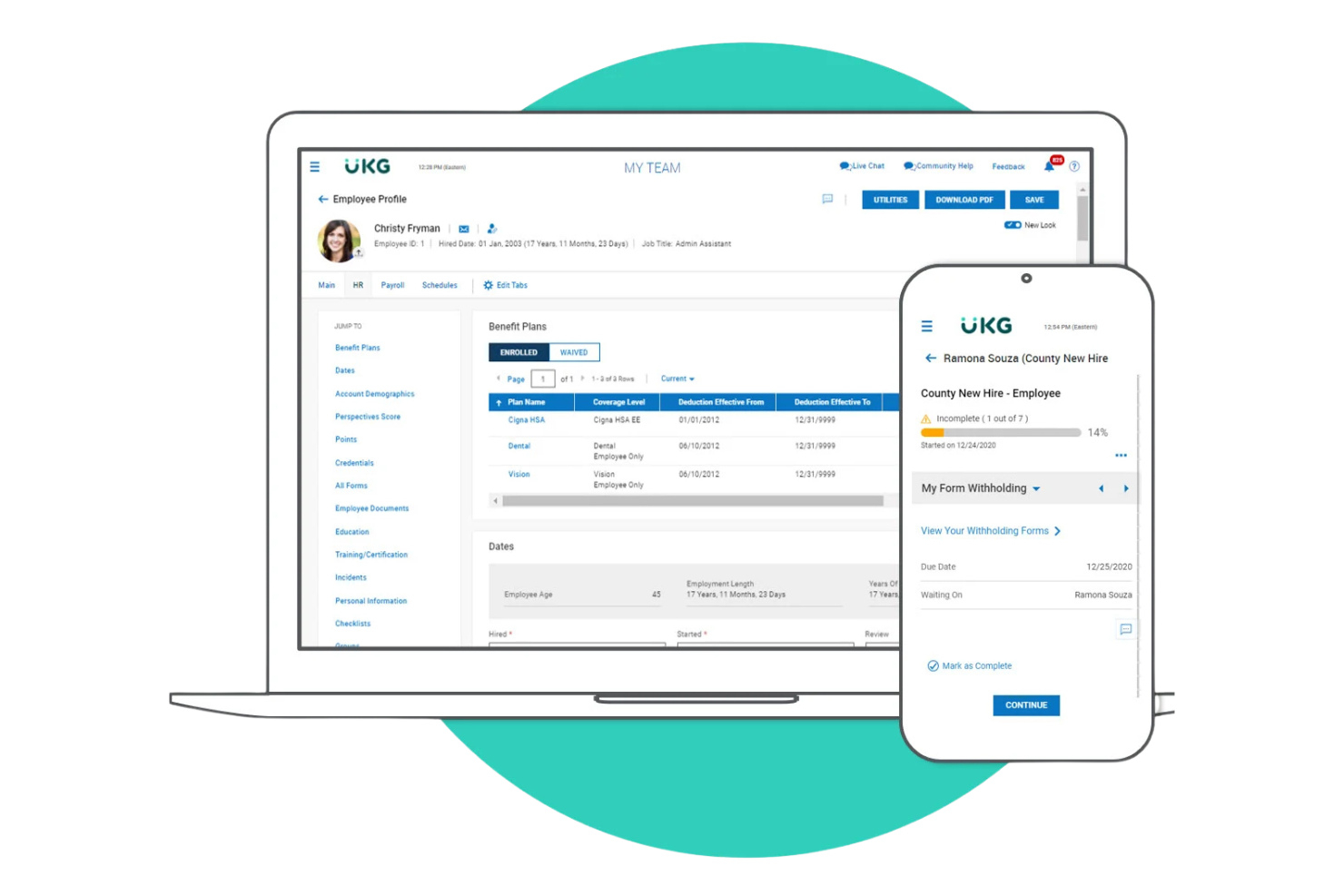
UKG Enterprise ist eine umfassende Lösung für das Belegschaftsmanagement, die für große Organisationen entwickelt wurde. Sie unterstützt HR-Teams bei der Zeiterfassung, der Lohnabrechnung und der Mitarbeiterbindung.
Warum es ein guter Paycom-Konkurrent ist: UKG Enterprise wurde für Organisationen entwickelt, die komplexe Belegschaften in großem Umfang verwalten. Die Lösung kombiniert fortschrittliche Arbeitskräfteprognosen, Einsatzplanung und Compliance-Management, um die Abläufe im Belegschaftsmanagement zu optimieren. Mit leistungsstarken Analysen liefert UKG Enterprise Echtzeiteinblicke in die Leistung der Belegschaft und hilft Führungskräften, intelligentere, datengestützte Entscheidungen zu treffen. Seine Flexibilität und Skalierbarkeit machen die Lösung zu einer starken Alternative zu Paycom für Unternehmen, die umfassende Anpassungsmöglichkeiten und robuste Compliance-Unterstützung benötigen.
Hervorstechende Funktionen & Integrationen:
Funktionen umfassen die Erfassung von Arbeitszeit und Anwesenheit, Self-Service für Mitarbeiter sowie Tools zur Talentgewinnung, die das HR-Management vereinfachen. Die Funktionen für Belegschaftsplanung und Arbeitskräfteoptimierung helfen, Kosten zu senken und die Produktivität zu steigern. Integrierte Compliance-Tools gewährleisten die Einhaltung globaler Arbeitsgesetze, während konfigurierbare Dashboards und Analysen die Transparenz über die gesamte Belegschaft hinweg verbessern.
Integrationen umfassen Workday, SAP SuccessFactors, Microsoft Dynamics, Salesforce, ADP, Oracle, BambooHR, QuickBooks, NetSuite und Kronos.
Pros and Cons
Pros:
- Fortschrittliche Einsatzplanungsfunktionen
- Leistungsstarke Analysen der Belegschaft
- Umfangreiche Anpassungsmöglichkeiten
Cons:
- Steile Lernkurve
- Komplexe Ersteinrichtung

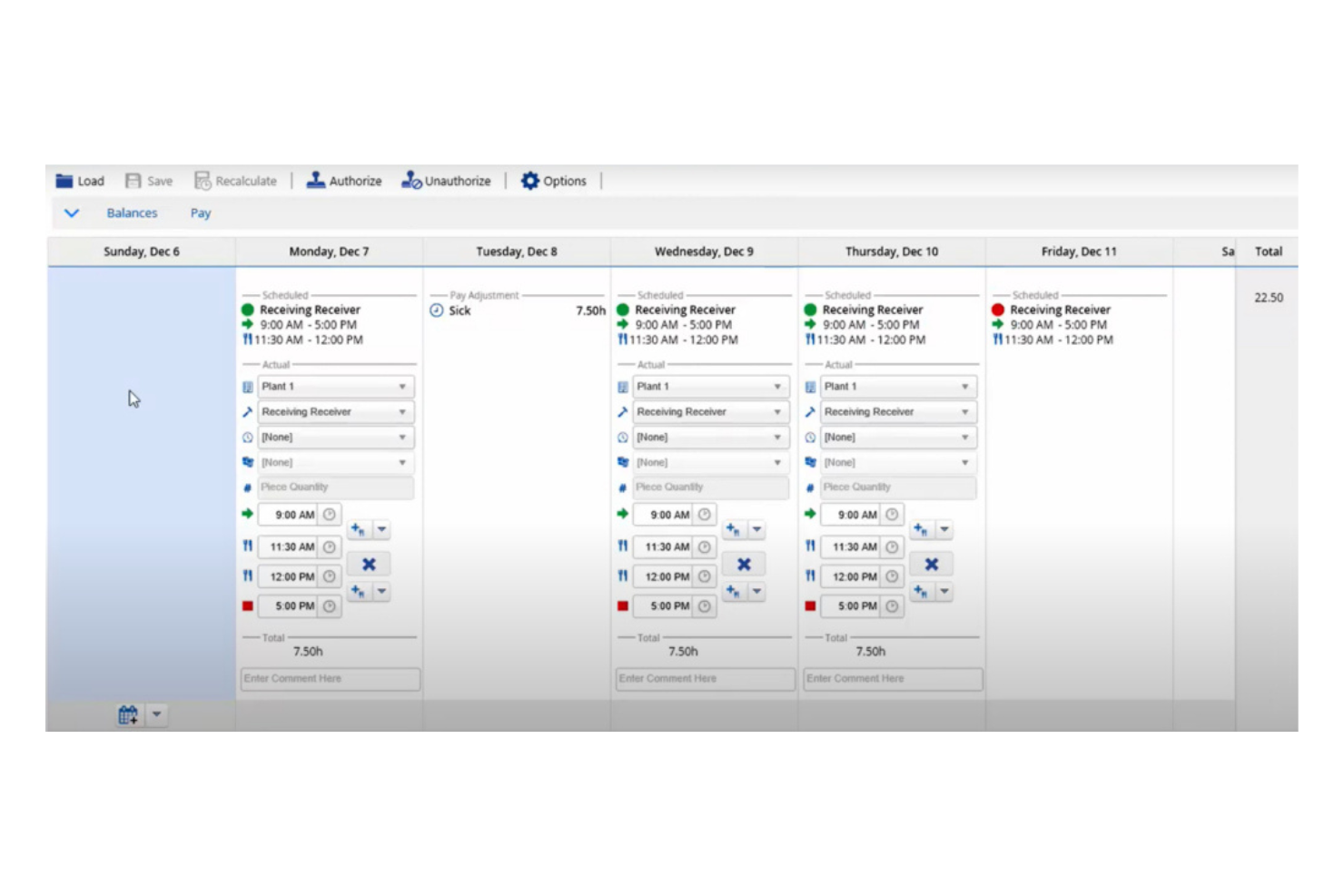
Dayforce HCM ist eine cloudbasierte Human-Capital-Management-Plattform für Unternehmen jeder Größe. Sie unterstützt HR-Fachkräfte bei der Verwaltung von Gehaltsabrechnungen, Leistungen und der Personalverwaltung.
Warum es eine gute Paycom-Alternative ist: Dayforce HCM von Ceridian ist eine leistungsstarke Komplettlösung für Gehaltsabrechnung und Personalverwaltung, die sich durch Genauigkeit und Compliance auszeichnet. Die kontinuierliche Berechnungs-Engine sorgt dafür, dass Gehaltsabrechnungsdaten in Echtzeit aktualisiert werden, wodurch Verzögerungen durch Stapelverarbeitung vermieden und Fehler reduziert werden.
Dayforce wurde für die Erfüllung komplexer arbeitsrechtlicher Anforderungen entwickelt und optimiert Gehaltsabrechnung, Einsatzplanung und Compliance innerhalb einer einzigen Plattform.
Herausragende Funktionen & Integrationen:
Zu den Funktionen gehören Echtzeit-Analysen der Belegschaft, Selbstbedienungsfunktionen für Mitarbeitende und Werkzeuge für das Talentmanagement zur Optimierung von HR-Prozessen. Das Vergütungsmanagement-Modul stimmt die Bezahlung auf die Leistung ab, während das integrierte Compliance-Management die Einhaltung globaler Arbeitsstandards gewährleistet. Die Plattform umfasst außerdem Einsatzplanung, Zeiterfassung und Leistungsverwaltung und bietet Unternehmen damit einen 360°-Überblick über ihre Belegschaft.
Zu den Integrationen gehören ADP, QuickBooks, SAP, SuccessFactors, Workday, Oracle, Microsoft Dynamics, Salesforce, NetSuite und BambooHR.
Pros and Cons
Pros:
- Echtzeitzugriff auf Daten
- Integrierte Compliance-Tools
- Kontinuierliche Berechnungs-Engine
Cons:
- Komplexe Ersteinrichtung
- Einarbeitungsaufwand für neue Nutzer


Checkwriters ist eine umfassende Plattform für Lohnabrechnung und Personalwesen, die für kleine bis mittelgroße Unternehmen entwickelt wurde. Sie unterstützt HR-Teams bei der Lohnabrechnung, der Verwaltung von Zusatzleistungen und der Einhaltung gesetzlicher Vorschriften.
Warum es eine gute Alternative zu Paycom ist: Checkwriters bietet persönlichen Support und stellt sicher, dass Ihr Team bei der Verwaltung von HR-Aufgaben die benötigte Unterstützung erhält. Die Plattform bietet flexible Lösungen für die Lohnabrechnung, die an Ihre geschäftlichen Anforderungen angepasst werden können. Die Funktionen zur Verwaltung der Compliance helfen Ihnen, über Arbeitsgesetze und Vorschriften auf dem Laufenden zu bleiben. Der Fokus von Checkwriters auf persönlichen Service macht die Plattform zu einer attraktiven Option für Unternehmen, die praktische Unterstützung suchen.
Herausragende Funktionen & Integrationen:
Zu den Funktionen gehören die Lohnabrechnung, die Verwaltung von Zusatzleistungen und das Compliance-Management. Diese Tools helfen Ihrem Team, HR-Aufgaben effizient zu verwalten. Checkwriters bietet außerdem Self-Service-Portale für Mitarbeitende, um die Benutzererfahrung und das Engagement zu verbessern.
Zu den Integrationen gehören QuickBooks, Xero, BambooHR, Sage, ADP, Paychex, Paylocity, Gusto, Intuit und NetSuite.
Pros and Cons
Pros:
- Persönlicher Support
- Flexible Lösungen für die Lohnabrechnung
- Funktionen zur Verwaltung der Compliance
Cons:
- Komplexität bei der Ersteinrichtung
- Einarbeitungsaufwand für neue Benutzer
Am besten für die Einhaltung globaler Lohnabrechnungsvorschriften
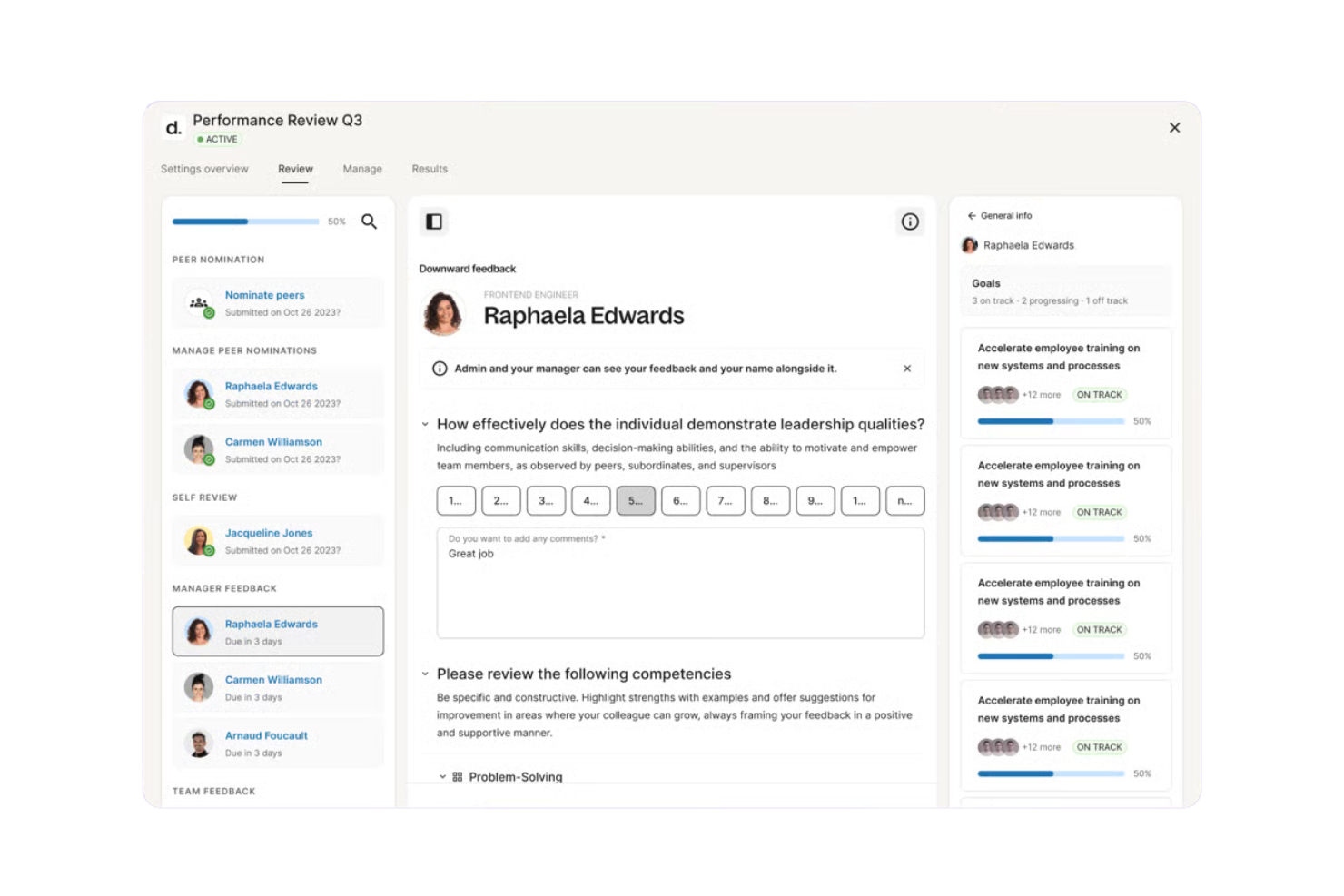
Deel ist eine globale Lösung für Lohnabrechnung und die Einhaltung gesetzlicher Vorschriften, die auf Unternehmen mit verteilten Teams zugeschnitten ist. Sie unterstützt Personalverantwortliche bei der Verwaltung von Einstellungen, Einarbeitung und Lohnabrechnung in mehreren Ländern.
Warum Deel ein guter Paycom-Konkurrent ist: Deel bietet einzigartige Unterstützung bei der Einhaltung globaler Vorschriften und stellt sicher, dass Ihr Team lokale Bestimmungen einhält. Automatisierte Zahlungen an Auftragnehmer und eine zentrale Anlaufstelle für die Einhaltung gesetzlicher Vorschriften sind wichtige Funktionen, die die Einhaltung internationaler Gesetze erleichtern. Das macht Deel zu einer starken Wahl, wenn Sie eine globale Belegschaft verwalten.
Herausragende Funktionen & Integrationen:
Zu den Funktionen gehören die automatisierte Lohnabrechnung, die Verwaltung der Einhaltung gesetzlicher Vorschriften und die Verwaltung von Auftragnehmern. Deel bietet außerdem Vorlagen für juristische Dokumente, um die internationale Einstellung von Mitarbeitenden zu vereinfachen. Diese Funktionen stellen sicher, dass Sie die gesetzlichen Vorschriften einhalten und gleichzeitig globale Zahlungen effizient verwalten.
Zu den Integrationen gehören QuickBooks, Xero, NetSuite, BambooHR, Greenhouse, Workable, Lever, Zapier, Gusto und ADP.
Pros and Cons
Pros:
- Einhaltung globaler Lohnabrechnungsvorschriften
- Automatisierte Zahlungen an Auftragnehmer
- Vorlagen für juristische Dokumente
Cons:
- Begrenzte Optionen für kostenlose Testversionen
- Komplexe internationale Steuerabwicklung
Remote
Ideal für verteilte Teams

Remote ist eine globale HR- und Gehaltsabrechnungsplattform zur Verwaltung verteilter Teams. Sie richtet sich hauptsächlich an HR-Fachkräfte und Unternehmen, die internationale Gehaltsabrechnungen und die Einhaltung gesetzlicher Vorschriften effizient verwalten möchten.
Warum es ein guter Paycom-Konkurrent ist: Remote ist hervorragend für die Verwaltung verteilter Teams geeignet und bietet Funktionen wie gesetzeskonforme Gehaltsabrechnung und Auftragnehmerverwaltung. Die Plattform vereinfacht die internationale Einstellung und Einarbeitung und stellt sicher, dass Sie die lokalen Gesetze einhalten. Tools zur Verwaltung von Mitarbeiterleistungen und zur Leistungsverwaltung steigern ihre Attraktivität zusätzlich. Der Fokus von Remote auf die Verwaltung globaler Teams und die Einhaltung gesetzlicher Vorschriften macht die Plattform zu einer starken Wahl für Unternehmen, die grenzüberschreitend tätig sind.
Herausragende Funktionen & Integrationen:
Funktionen umfassen gesetzeskonforme Gehaltsabrechnung, Auftragnehmerverwaltung und HR-Systeme. Remote bietet außerdem Rekrutierungswerkzeuge und Leistungsmanagement zur Unterstützung des Wachstums Ihres Teams. Darüber hinaus umfasst die Plattform eine Verwaltung von Mitarbeiterleistungen für eine umfassendere HR-Lösung.
Integrationen umfassen QuickBooks, Xero, BambooHR, Greenhouse, Lever, Workday, Slack, Google Workspace, Microsoft Teams und Zapier.
Pros and Cons
Pros:
- Unterstützung bei der Einhaltung globaler Vorschriften
- Vereinfacht die internationale Einstellung
- Umfassende HR-Verwaltung
Cons:
- Erfordert anfänglichen Einrichtungsaufwand
- Einarbeitungszeit für neue Benutzer


So bewerte ich Paycom-Konkurrenten
Ich betrachte jede Plattform auf zwei Ebenen: grundlegende Anforderungen wie die Lohnabrechnung in mehreren Bundesstaaten und Selbstbedienungsfunktionen für Mitarbeitende sowie Unterscheidungsmerkmale wie Preistransparenz und die Analysetiefe.
Kernfunktionen (Grundvoraussetzungen für diese Liste)
Bei der Auswahl der Werkzeuge für meine Liste bewerte ich jedes einzelne auf einer Skala von 0 (bietet die Funktionalität nicht an) bis 5 (ist in diesem Bereich hervorragend) für jede der unten aufgeführten Kernfunktionen. Anschließend rechne ich die Gesamtpunktzahl des Werkzeugs in einen Prozentsatz um. Jedes Werkzeug muss eine Mindestgesamtpunktzahl von 75 % erreichen, um berücksichtigt zu werden.
- Vollständig verwaltete Lohnabrechnung: Ich prüfe, ob jede Plattform Lohnabrechnungsläufe in mehreren Bundesstaaten, automatisierte Steueranmeldungen und Formulare zum Jahresende wie W-2- und 1099-Formulare ohne manuelle Umgehungslösungen verarbeitet.
- Zentrales HRIS und Mitarbeitendenakten: Eine zentrale Mitarbeitendendatenbank ist hier entscheidend. Daher achte ich auf konfigurierbare Felder, Organigramme, die Speicherung von Compliance-Dokumenten und prüfungsbereite Berichte.
- Verwaltung von Mitarbeitendenleistungen: Ich bewerte, wie jedes Werkzeug die offene Einschreibung, EDI-Datenfeeds von Versicherungsträgern und Änderungen aufgrund von Lebensereignissen verwaltet, damit HR-Teams nicht ständig zwischen der Plattform und Portalen von Versicherungsmaklern wechseln müssen.
- Erfassung von Arbeitszeit und Anwesenheit: Stundenzettel, die direkt in die Lohnabrechnung einfließen, vermeiden doppelte Dateneingaben. Daher betrachte ich die Personaleinsatzplanung, die Erfassung von PTO, Genehmigungsworkflows und die Tiefe der Synchronisierung mit der Lohnabrechnung.
- Suite für Talentmanagement: Dazu gehören Bewerbermanagement, Aufgabenabläufe bei der Einarbeitung und Leistungsbeurteilungen. Ich bevorzuge Plattformen, bei denen diese Module Daten gemeinsam nutzen, anstatt isoliert voneinander zu arbeiten.
- Selbstbedienungsportal für Mitarbeitende: Mitarbeitende sollten Gehaltsabrechnungen einsehen, Bankdaten aktualisieren, PTO beantragen und sich über eine mobile App oder ein Webportal für Mitarbeitendenleistungen anmelden können, ohne ein HR-Ticket einreichen zu müssen.
Sobald ich eine Liste von Werkzeugen erstellt habe, die diese Kriterien erfüllen, prüfe ich, wodurch sich die einzelnen Plattformen voneinander unterscheiden.
Unterscheidungsmerkmale (Was Anbieter voneinander abhebt)
So vergleiche ich die verschiedenen Anbieter:
Hervorstechende Funktionen
Fortschrittliche Personalanalysen sind ein wichtiges Unterscheidungsmerkmal. Ich achte auf Plattformen, die über vorgefertigte Berichte hinausgehen und prädiktive Modelle zur Fluktuation sowie DEI-Dashboards anbieten – Werkzeuge, die HR-Führungskräften helfen, ihre Argumente für Budget und Personalbestand zu untermauern. Die Vergütungsplanung ist ein weiterer Bereich, den ich genau bewerte, insbesondere die Verwaltung von Gehaltsrunden und die Analyse der Lohngleichheit, die im selben System wie die Leistungsdaten angesiedelt sind. Für Organisationen mit internationalen Teams ist auch die globale Lohnabrechnung wichtig: Plattformen wie Deel und Rippling verarbeiten Lohnabrechnungsläufe in mehreren Ländern direkt, während andere auf Partnernetzwerke zurückgreifen.
Über die Funktionen hinaus
Preistransparenz gehört zu den ersten Dingen, die ich prüfe. Das auf Angeboten basierende Preismodell von Paycom sorgt häufig für Frustration. Daher untersuche ich, ob Konkurrenten Preise pro Mitarbeitendem veröffentlichen oder zumindest ihre Tarifstruktur von Anfang an darlegen. Auch die Integrationstiefe ist wichtig – ich bewerte native Konnektoren zu Buchhaltungstools, Anbietern von Mitarbeitendenleistungen und Identitätsdienstleistern sowie die Frage, ob der Anbieter eine offene API bereitstellt. Die Unterstützung bei der Implementierung vervollständigt meine Bewertung: Ich berücksichtige Zeitpläne für die Einarbeitung, die Betreuung durch einen festen Ansprechpartner und den Zugang zu Schulungsressourcen, die HR-Teams dabei helfen, die Plattform tatsächlich einzuführen.
Warum nach einer Paycom-Alternative suchen?
Paycom ist zwar eine gute Wahl für die Lohnabrechnung, aber es gibt mehrere Gründe, warum manche Nutzer nach alternativen Lösungen suchen. Sie suchen möglicherweise nach einer Paycom-Alternative, weil …
- sie nicht ideal für kleine Unternehmen ist
- Sie bessere internationale Unterstützung benötigen
- es an erweiterten Anpassungsoptionen mangelt
- Sie intuitivere Benutzeroberflächen suchen
- Sie flexiblere Preispläne benötigen
- sie nicht für die Anforderungen bestimmter Branchen geeignet ist
Wenn Sie sich in einem dieser Punkte wiedererkennen, sind Sie hier genau richtig. Meine Liste enthält mehrere Optionen für Lohnabrechnungssoftware, die besser für Teams geeignet sind, die mit diesen Herausforderungen bei Paycom konfrontiert sind und nach alternativen Lösungen suchen.
Wichtige Funktionen von Paycom
Hier sind einige der wichtigsten Funktionen von Paycom, damit Sie die Angebote alternativer Lösungen gegenüberstellen und vergleichen können:
- Payroll-Lösungen: Umfassende Lohn- und Gehaltsabrechnung, Steuerverwaltung und Spesenverwaltung, um Genauigkeit und Effizienz sicherzustellen.
- Talentgewinnung: Tools für Bewerberverfolgung, Onboarding und Hintergrundüberprüfungen, um den Einstellungsprozess zu optimieren.
- Talentmanagement: Leistungsmanagement, Budgetierung von Vergütungen und Self-Service für Mitarbeitende zur Unterstützung der Mitarbeiterentwicklung.
- Personalmanagement: Verwaltung von Leistungen, Compliance-Management und Dokumentenverwaltung zur Vereinfachung von Personalaufgaben.
- Zeit- und Arbeitsmanagement: Zeiterfassung, Einsatzplanung und Arbeitszuweisung zur Optimierung des Personalmanagements.
- Automatisierte HR-Prozesse: Optimiert die Anmeldung zu Leistungen, Personalaktualisierungen und Mitarbeiterbenachrichtigungen für eine höhere Effizienz.
- Manager-Mobilität: Bietet durch Manager on-the-Go® Funktionen zur Verwaltung aus der Ferne und sorgt so für Flexibilität.
- Anpassbare Berichte: Liefert Einblicke in die Softwarenutzung durch Mitarbeitende und den ROI für fundierte Entscheidungen.
- Unterstützung bei der Einhaltung von Vorschriften: Hält Nutzende über Änderungen im Arbeitsrecht auf dem Laufenden, um die Einhaltung von Vorschriften sicherzustellen.
- Mitarbeiterfeedback: Ermöglicht sofortige Antworten auf Anfragen von Mitarbeitenden, um die Kommunikation zu verbessern.
Was kommt als Nächstes:
Wenn Sie gerade dabei sind, Lohn- und Gehaltsabrechnungssoftware zu recherchieren, wenden Sie sich kostenlos an einen SoftwareSelect-Berater, um Empfehlungen zu erhalten.
Sie füllen ein Formular aus und führen ein kurzes Gespräch, in dem die Einzelheiten Ihrer Anforderungen besprochen werden. Anschließend erhalten Sie eine Auswahlliste von Software, die Sie prüfen können. Die Berater unterstützen Sie sogar während des gesamten Kaufprozesses, einschließlich der Preisverhandlungen.