

10 Best Employer of Record Services in Greece in 2026

Employer of Record Services in Greece Shortlist


Employer of Record services in Greece let you hire, pay, and manage employees in Greece without setting up a local entity. If you want to expand into the Greek market or support remote talent, these services handle payroll, compliance, and HR admin so you can focus on your team. In this guide, you’ll find the top employer of record providers for Greece, what makes each one unique, and how to choose the right fit for your business goals in 2026.
Why Trust Our Software Recommendations
Our team has been testing and reviewing software since 2012. As HR experts ourselves, we know how difficult—and important—it is to choose the right software.
For this guide, we evaluated tools using hands-on testing and independent research, scoring tools using our selection criteria. We also draw on insights from industry thought leaders and practicing HR experts.
Our reviews reflect our human editorial judgment, not a sales pitch.
Expert reviewers:
Comparison Table: Employer of Record Services Greece
This comparison table summarizes pricing details for my top employer of record selections for hiring staff in Greece.
| Tool | Best For | Trial Info | Price | ||
|---|---|---|---|---|---|
| 1 | Best for integrated time tracking add-ons | Not available | From $599/employee/month | Website | |
| 2 | Best with global employment workflow automation | Free demo available | From $599/user/month | Website | |
| 3 | Best for multi-country payroll management | Free demo available | From $199/employee/month | Website | |
| 4 | Best for enterprise expansion in Greece | Free demo available | From $599/user/month | Website | |
| 5 | Best with hybrid automation and local expertise | Not available | Pricing upon request | Website | |
| 6 | Best for local contract customization in Greece | Free demo available | From $699/user/month | Website | |
| 7 | Best for Greek APD tax filing automation | Free demo available | From $499/user/month | Website | |
| 8 | Best for guided onboarding and offboarding | Free demo available | From $99/user/month | Website | |
| 9 | Best for GDPR-aligned data protections | Free demo available | From $199/user/month | Website | |
| 10 | Best for automated Greek mandatory bonuses | Free demo available | From $459/user/month (billed annually) | Website |


Employer of Record Services in Greece Reviews
Below are my detailed summaries of the employer of record services in Greece that made it onto my shortlist. My reviews offer a detailed look at the features, best use cases, and pricing of each platform to help you find the best one for you.

Best for integrated time tracking add-ons
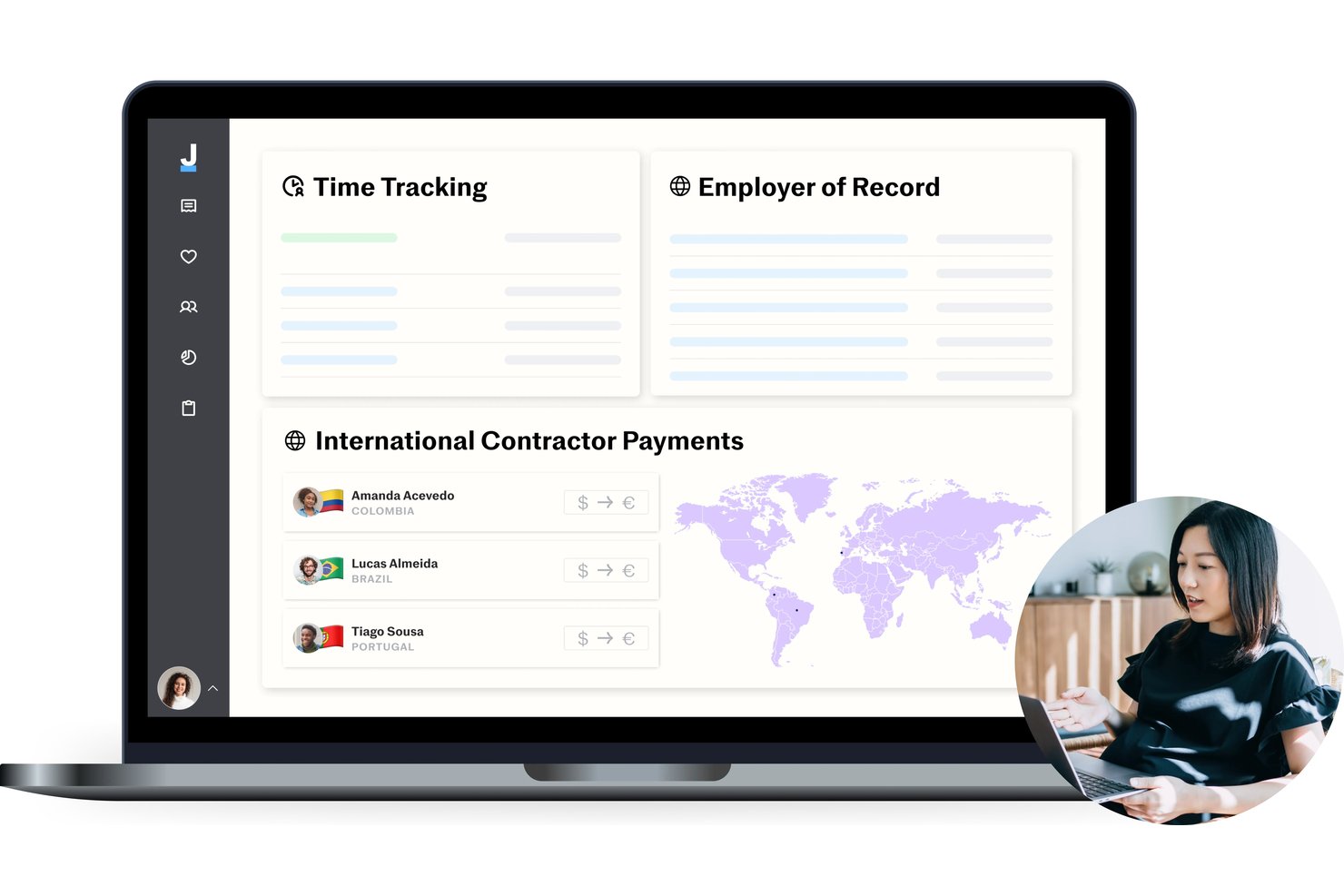
Justworks is an employer of record platform designed for companies managing international payroll, compliance, HR, and built-in time tracking features for teams working in Greece and beyond.
Who Is Justworks Best For?
Mid-sized companies expanding into new countries that want an all-in-one EOR solution with integrated time tracking.
Why I Picked Justworks
I picked Justworks as one of the best because I can manage payroll, HR compliance, and built-in time tracking all in one platform, which simplifies tracking work hours for remote employees in Greece. The integrated time tracking add-ons save my team manual effort.
Justworks Key Features
- Automated payroll processing: Handles salary payments, deductions, and tax filings for employees in multiple countries.
- HR document management: Securely stores and organizes employee contracts, onboarding forms, and other documents.
- 24/7 expert HR support: Provides access to HR professionals for guidance on compliance and employment issues.
- Benefits administration: Centralizes management of employee health, dental, and vision insurance plans.
Justworks Integrations
Justworks offers native integrations with 15Five, Carta, Brex, Accurate, Expensify, QuickBooks, Xero, Greenhouse, and more. An API is available for custom integrations.
Pros and Cons
Pros:
- 24/7 access to HR and compliance experts
- Integrated time tracking for all team members
- Simplified payroll and HR compliance across countries
Cons:
- Some support staff lack international expertise
- Limited local benefits options in Greece

Best with global employment workflow automation
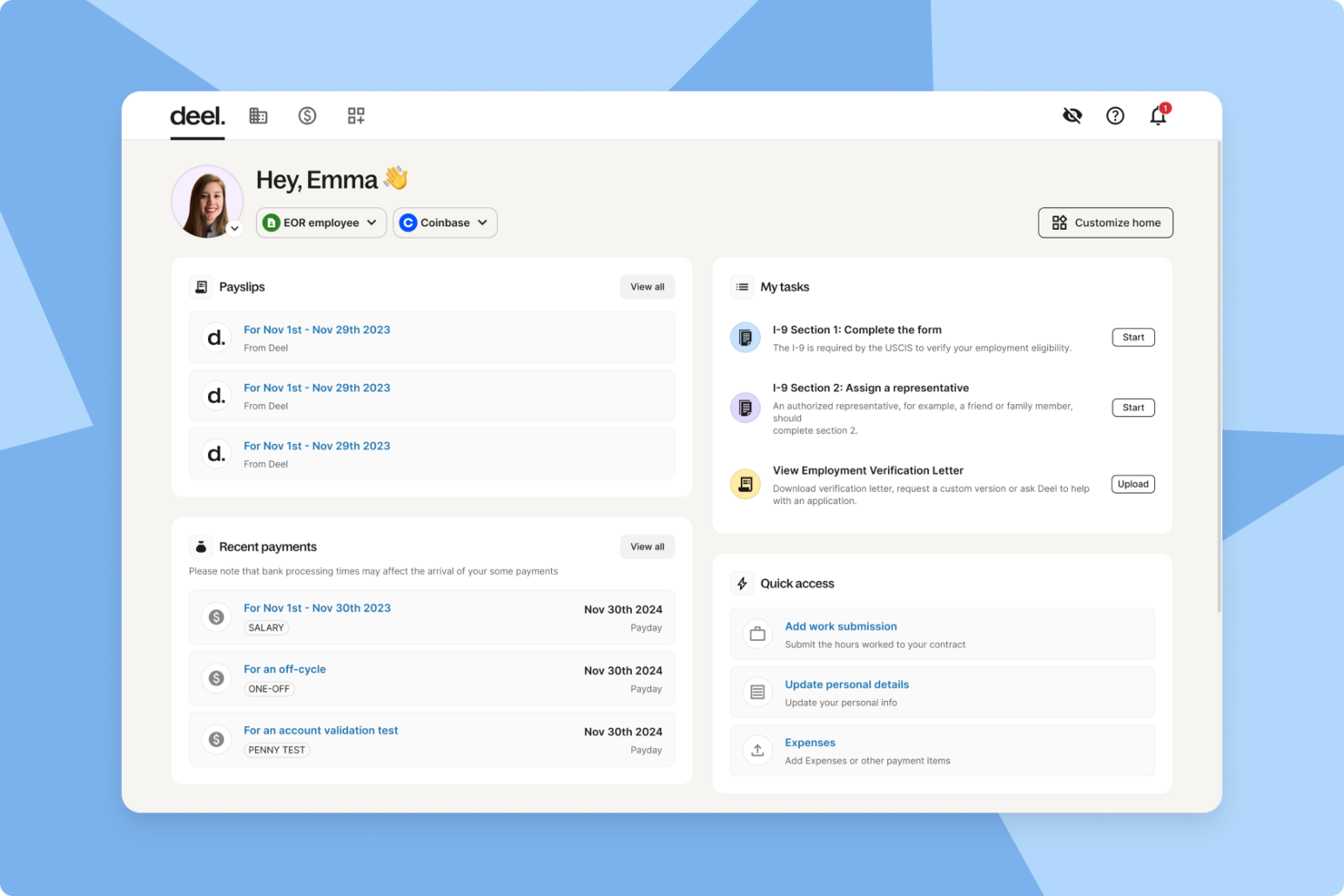
Deel Hire is an employer of record solution for Greece that lets you hire, onboard, and manage payroll while handling compliance, contracts, and local HR processes through a unified global platform.
Who Is Deel Hire Best For?
Deel Hire is a strong fit for globally distributed companies that need to hire and manage employees in Greece without setting up a local legal entity.
Why I Picked Deel Hire
I've included Deel Hire in my top picks because of how much of the Greek employment process it handles without manual intervention. Once you add a new hire, Deel auto-generates a locally compliant contract, configures payroll, and sets up benefits in a single connected flow—no separate steps across different tools. I also like the automated onboarding task sequencing, which triggers document collection, account access, and equipment provisioning the moment a contract is signed. For teams scaling across multiple countries at once, the fact that worker data syncs automatically to systems like Workday, BambooHR, and Okta without manual exports is a real differentiator.
Deel Hire Key Features
- Local payroll processing: Run payroll for Greek employees in euros with automatic tax and social contribution calculations built in.
- Localized benefits administration: Manage Greece-specific statutory benefits and supplemental perks from within the platform.
- Expense and invoice management: Employees can submit expenses directly through Deel for manager approval and reimbursement.
- In-platform legal support: Access country-specific legal guidance on Greek employment law directly within your Deel account.
Deel Hire Integrations
Deel Hire offers native integrations with Workday, BambooHR, Greenhouse, HiBob, Okta, Netsuite, Xero, QuickBooks, Rippling, Slack, and Lever. An API is available for custom integrations.
Pros and Cons
Pros:
- Supports native integrations with top HRIS tools
- Handles local tax, social security, and filings
- Automated onboarding workflows tailored for Greece
Cons:
- Some add-ons require extra monthly fees
- Payroll timelines may lag for urgent hires

Best for multi-country payroll management
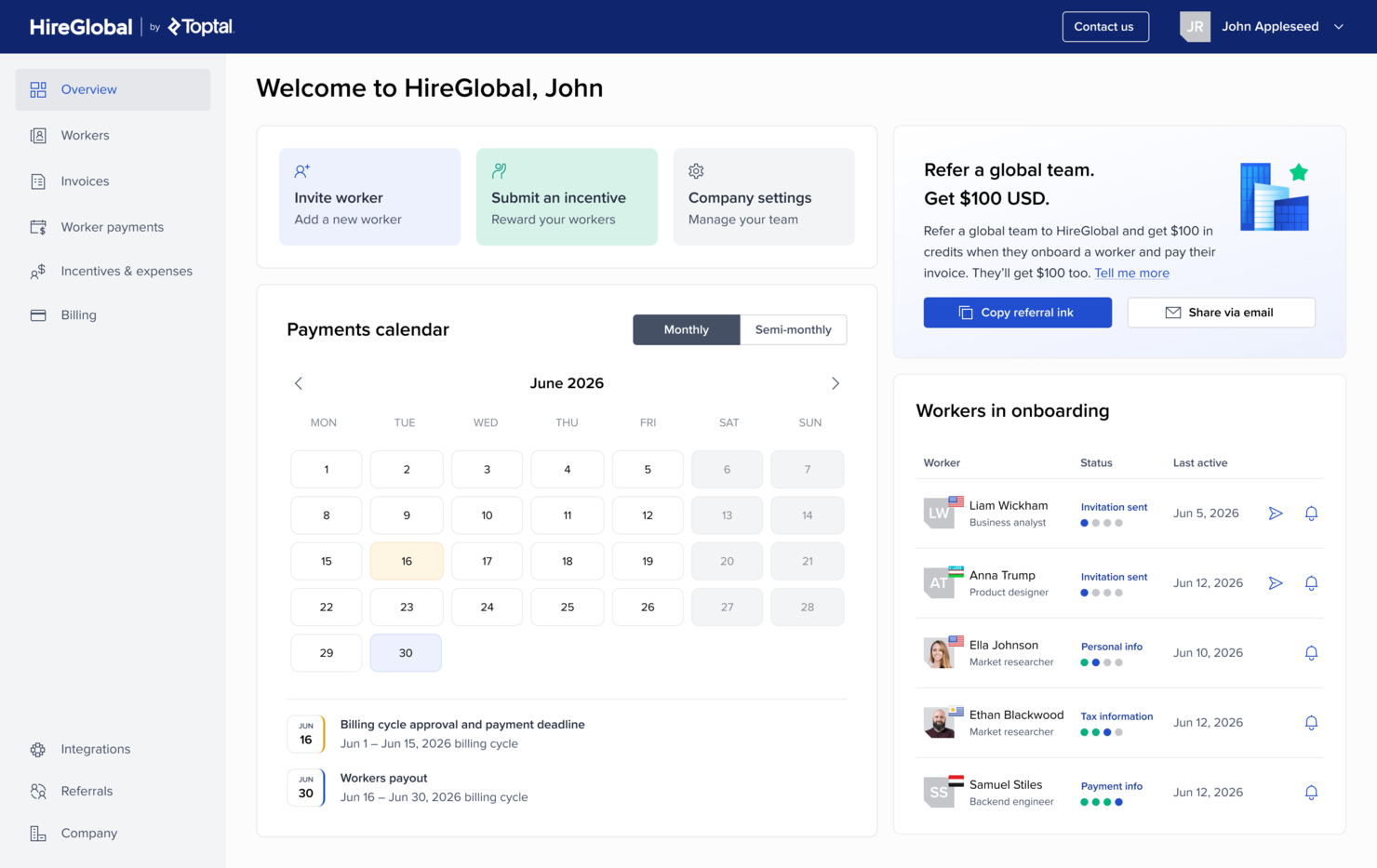
HireGlobal is a global EOR and workforce management platform built on Toptal's payroll infrastructure that covers onboarding, payroll, compliance, and contractor management across 180+ countries.
Who Is HireGlobal Best For?
HireGlobal is a good fit for mid-size to enterprise companies hiring across multiple countries that need a single platform to manage EOR, payroll, and compliance.
Why I Picked HireGlobal
HireGlobal earns its spot on my shortlist because of the payroll visibility it gives you across every country you're paying into. I can see the live status of each payroll cycle from a single dashboard, which matters when Greek payroll runs on strict monthly statutory schedules. Being able to catch a pending or failed payment before it misses a cut-off date is something I genuinely rely on when managing workers across multiple time zones.
HireGlobal Key Features
- Contractor-to-employee conversion: Switch a contractor to an EOR employee within the platform without restarting the onboarding process.
- Payroll reporting: Generate itemized payroll reports across all active countries, including Greece, for audit and reconciliation purposes.
- Time and attendance tracking: Log worker hours directly in the platform to feed accurate data into each payroll cycle.
- Compliance update notifications: Receive alerts when local labour laws or statutory contribution rates change in your active hiring countries.
HireGlobal Integrations
Integrations include TopTracker.
Pros and Cons
Pros:
- Agent of record included with contractors
- $1M worker indemnification under V-EOR
- Automatic localized benefit structure adjustments
Cons:
- Relies on partner network for local entities
- No mobile worker tracking application
G-P
Best for enterprise expansion in Greece
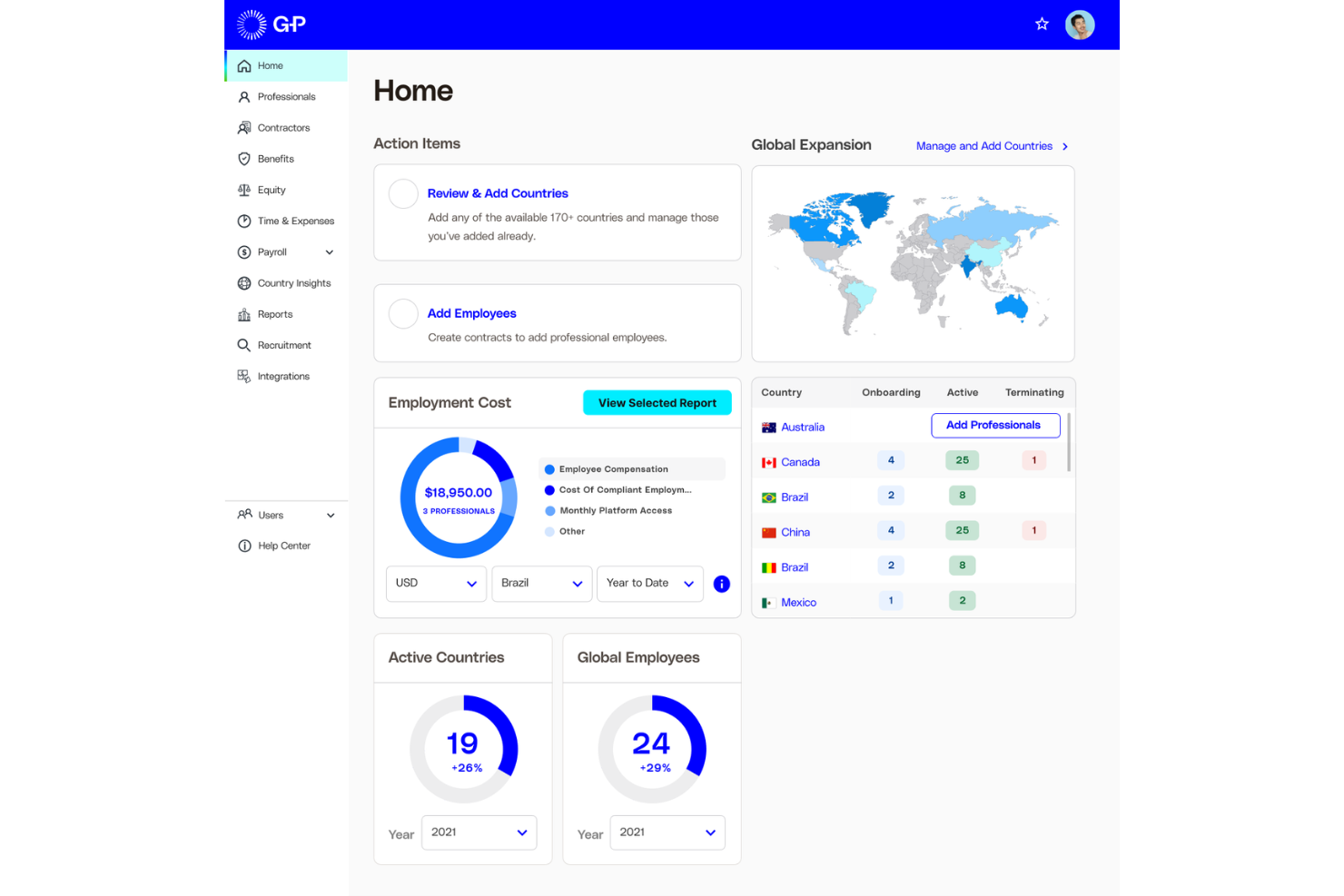
G-P or Globalization Partners is an Employer of Record platform for Greece that centralizes onboarding, payroll, compliance, and workforce management for companies hiring and managing employees in the region.
Who Is G-P Best For?
Large enterprises expanding operations or building teams in Greece who need centralized payroll, onboarding, and compliance management.
Why I Picked G-P
I picked G-P as one of the best because I can manage large-scale hiring and onboarding for Greek teams without setting up a local entity. I like that G-P handles complex Greek employment law compliance and automates payroll for enterprise headcounts. My team uses G-P to centralize employment contracts, manage benefits, and ensure every Greek hire is fully compliant from day one.
G-P Key Services
- Global workforce dashboard: View and manage all Greek employees and contractors in one place.
- Automated document management: Store, organize, and access HR and compliance documents for Greek hires.
- Expense reimbursement processing: Submit and track employee expenses directly through the platform.
- Localized holiday and leave tracking: Configure and monitor Greek public holidays and employee leave policies.
G-P Integrations
Integrations include ADP Workforce Now, Paylocity, BambooHR, UKG Pro, Workday, and more.
Pros and Cons
Pros:
- Proprietary Global Compliance Engine
- Direct SAP SuccessFactors integration
- AI-native G-P Assist support
Cons:
- Automated support prioritizes ticket systems
- Premium pricing compared to peers

Best with hybrid automation and local expertise
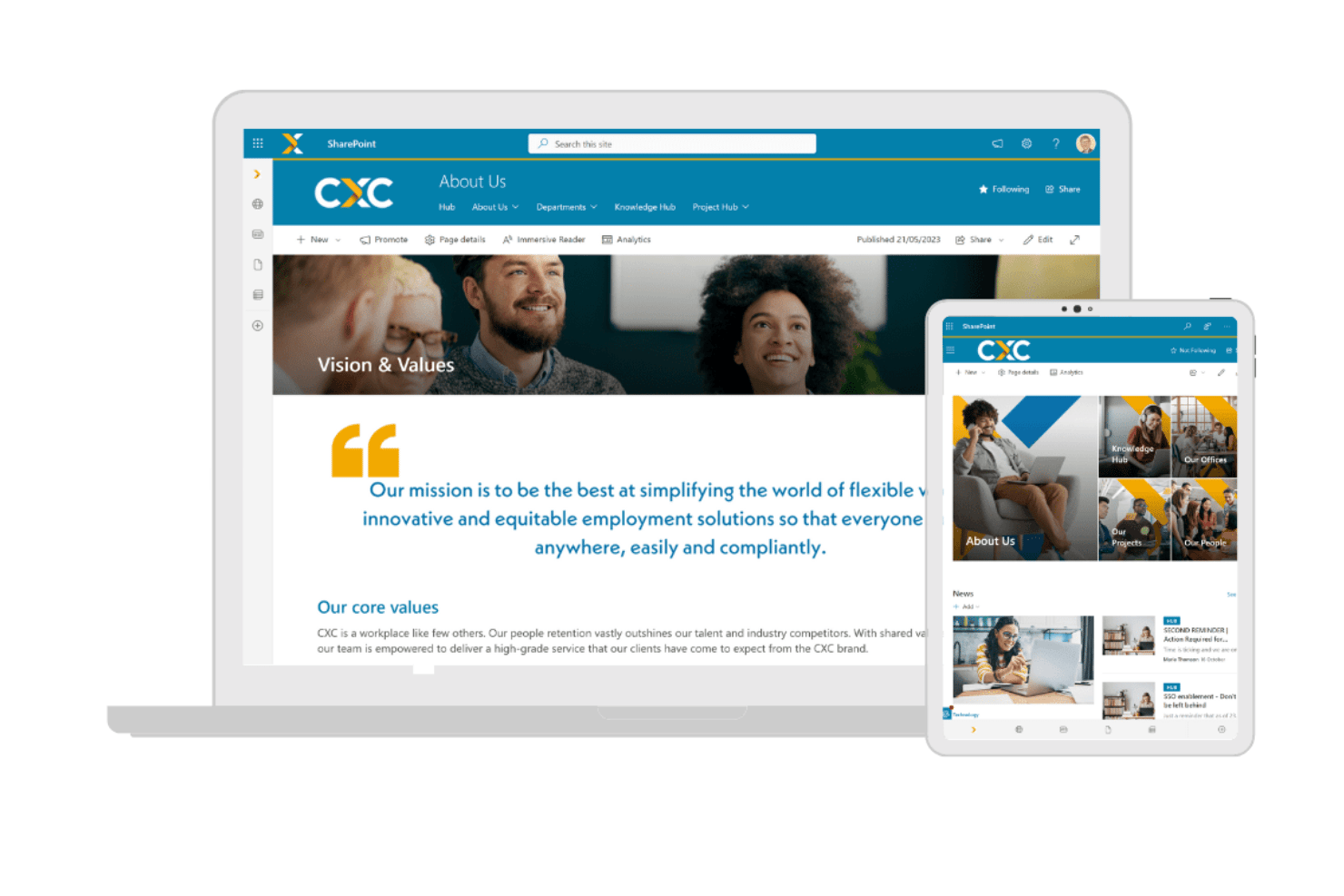
CXC Global is an EOR and contingent workforce platform that combines local compliance expertise with managed payroll, contractor classification, and worker lifecycle management across 100+ countries, including Greece.
Who Is CXC Global Best For?
CXC Global suits enterprise organizations managing large contingent or mixed workforces across multiple countries, including Greece.
Why I Picked CXC Global
CXC Global earns its spot on my shortlist because of how it blends local compliance depth with automation in a way that actually holds up for Greek payroll. I like that it handles Ergani registration, e-EFKA contributions, and mandatory 13th/14th-month salary calculations automatically, backed by in-country compliance experts. That "Human+" model means there's always a dedicated account manager behind the automation, not just a ticket queue.
CXC Global Key Features
- Contractor-to-employee conversion: Seamlessly convert Greek contractors to full-time hires within the platform.
- Visa and immigration support: Manage Greek work permits and relocation for non-EU hires through in-country teams.
- Automated multi-country payroll: Centralize payroll administration for Greece and 100+ countries with statutory deductions.
- Compliant IP and invention assignment: Issue localized contracts with enforceable Greek intellectual property protection clauses.
CXC Global Integrations
CXC Global offers native integrations with SAP Fieldglass and Beeline, other integrations are not currently listed.
Pros and Cons
Pros:
- Covers contingent and permanent workers together
- Handles contractor-to-employee conversion in-platform
- Dedicated in-country Greek compliance experts available
Cons:
- Limited native HRIS integrations documented
- Contractor payment delays flagged

Remote
Best for local contract customization in Greece
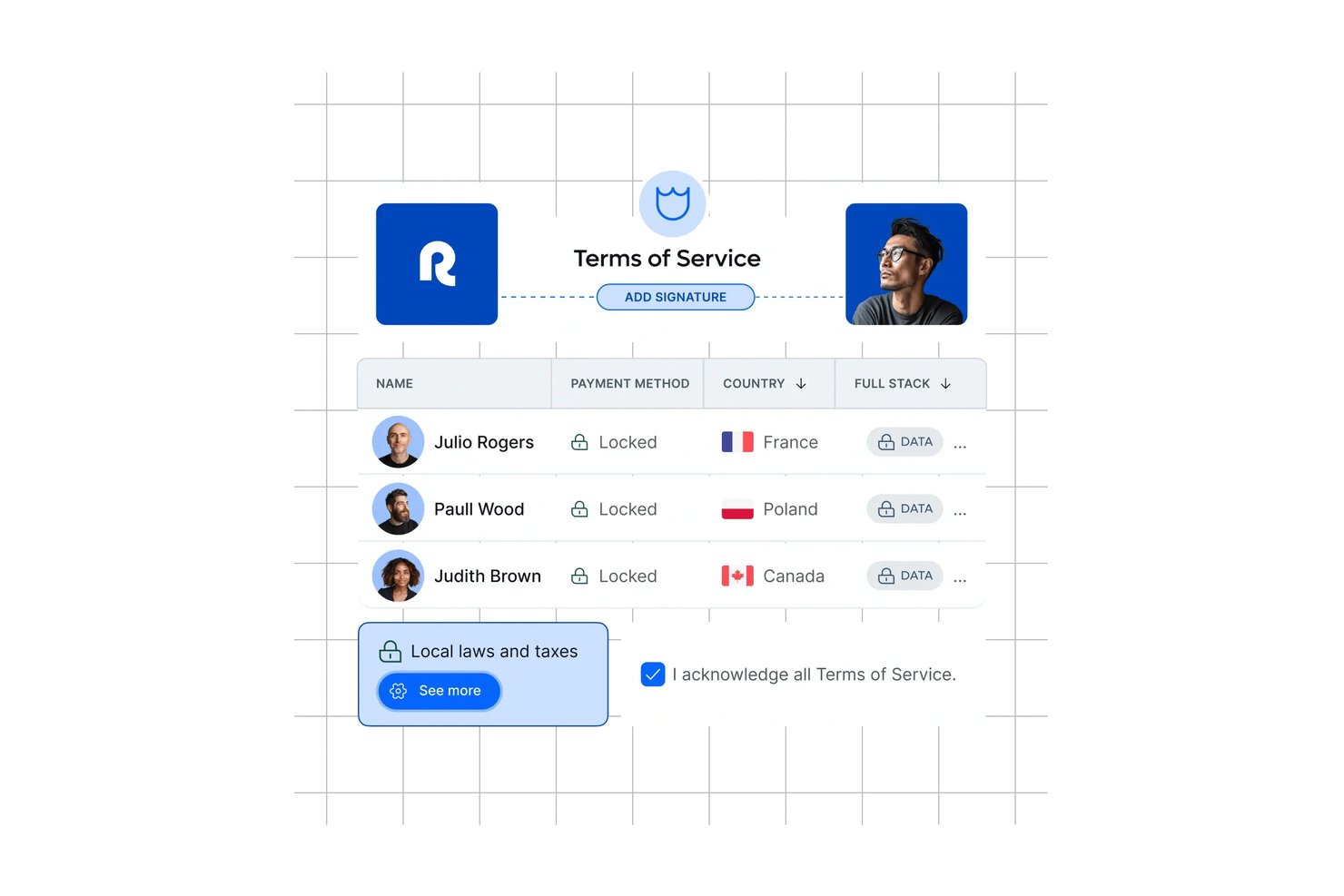
Remote is an employer of record platform that handles hiring, payroll, benefits, and employment contracts for international workers, with built-in tools for localizing agreements to meet country-specific legal requirements.
Who Is Remote Best For?
Remote is a strong fit for companies that need to tailor employment contracts to Greece's specific legal requirements without building local expertise in-house.
Why I Picked Remote
Remote earns its spot on my shortlist because of how well it handles Greece-specific employment contract customization. I love that it lets you localize agreements to reflect Greek labor law requirements, like mandatory notice periods and collective agreement obligations, without needing a local legal team on retainer. Its country-specific contract builder pulls in the right clauses automatically, so you're not patching together templates manually.
Remote Key Features
- Greek payroll processing: Runs payroll in euros, accounting for Greece-specific tax withholdings, social security contributions, and statutory deductions.
- Benefits administration: Manages local statutory benefits for Greek employees, including health coverage and pension contributions, through a centralized dashboard.
- IP protection tools: Includes intellectual property assignment agreements to safeguard your company's assets when hiring remote workers in Greece.
- Contractor and employee management: Supports both full-time employment and contractor engagements from a single platform, letting you manage different worker types in Greece without switching tools.
Remote Integrations
Remote documents integrations with BambooHR, HiBob, Personio, Workday, QuickBooks, Xero, Greenhouse, and Slack. It also offers an API for custom integrations and supports Zapier.
Pros and Cons
Pros:
- Includes intellectual property assignment agreements
- Handles Greek payroll deductions and contributions
- Localizes contracts for Greek labor requirements
Cons:
- Country-specific setup still requires HR oversight
- Benefits options vary by local availability

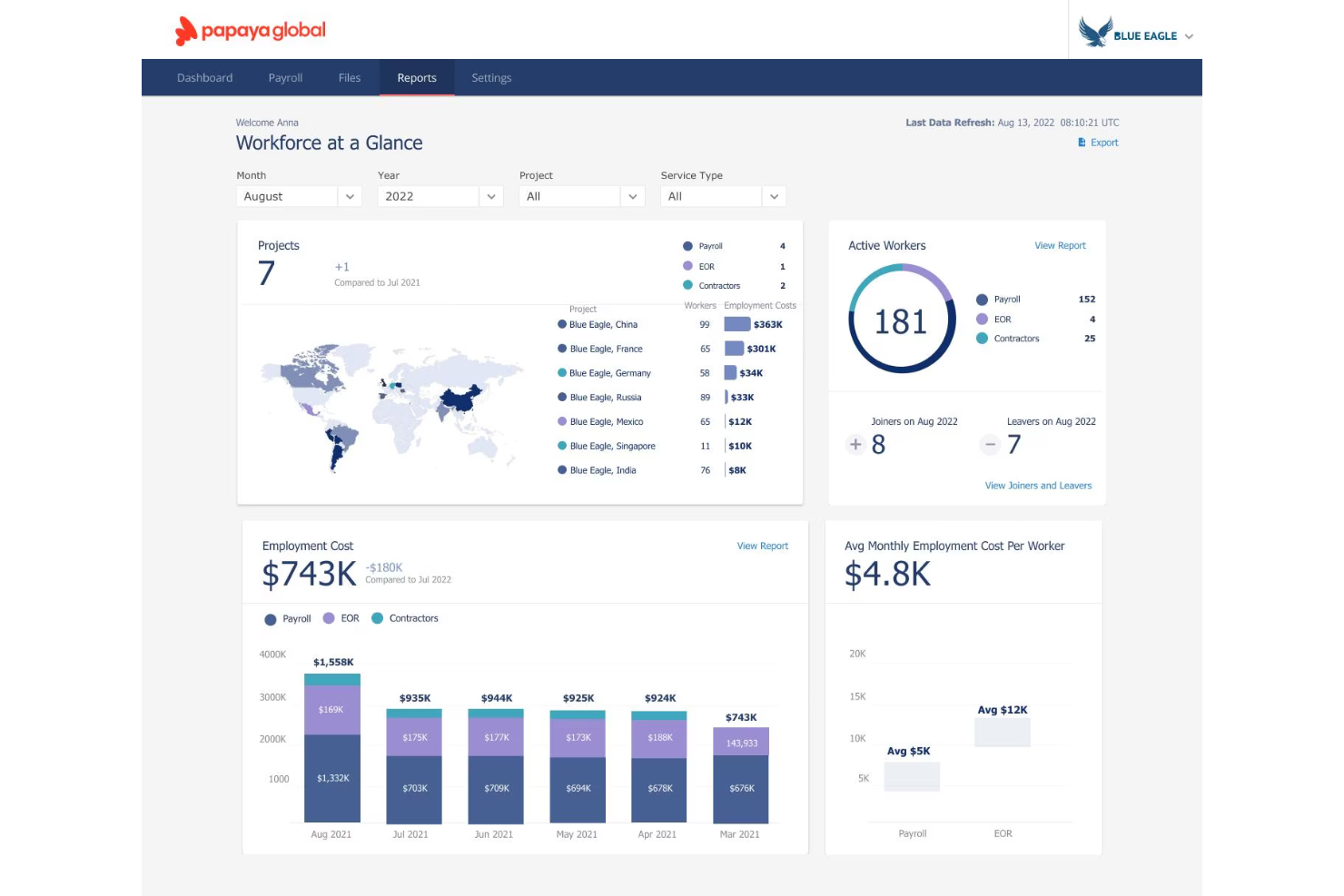
Papaya is an Employer of Record platform for Greece that centralizes onboarding, payroll, tax compliance, and workforce management for global teams hiring in the region.
Who Is Papaya Best For?
Global payroll teams managing Greek employees who need automated APD tax filing and compliance.
Why I Picked Papaya
I picked Papaya as one of the best because I can automate Greek APD tax filings directly from the platform, which saves my team time on compliance. I like that Papaya generates and submits all required APD reports for Greek authorities. My team uses Papaya to manage Greek payroll, track local tax deadlines, and ensure every APD submission is handled without manual intervention.
Papaya Key Services
- Employee onboarding workflows: Automate document collection and contract generation for new Greek hires.
- Multi-currency payroll processing: Run payroll in euros and other currencies for Greek employees.
- Centralized HR document management: Store and manage employment contracts, payslips, and compliance files.
- Time-off and attendance tracking: Track leave requests and attendance for Greek-based staff.
Papaya Integrations
Papaya offers native integrations with Workday, NetSuite, BambooHR, and HiBob, and provides an API for custom integrations.
Pros and Cons
Pros:
- Enterprise-grade financial audit trails
- Advanced multi-country payroll orchestration
- Automates Greek APD tax filings for compliance
Cons:
- Higher cost for small teams
- Variable onboarding timelines by region

Best for guided onboarding and offboarding

Native Teams is an employer of record platform designed for businesses hiring in Greece, offering localized contract management, payroll processing, compliance tools, and entity support through a single online dashboard.
Who Is Native Teams Best For?
HR teams and business leaders in Greece who need a simple way to handle hiring, payroll, and compliance for international employees.
Why I Picked Native Teams
I picked Native Teams as one of the best because I can manage onboarding and offboarding for Greek employees step by step, covering contracts, local compliance, and document collection all within the same interface. The whole process is always guided by local experts.
Native Teams Key Features
- Payroll automation: Run multi-currency payroll for employees based in Greece or abroad through a single platform.
- Expense management: Submit, approve, and track employee expenses with built-in digital tools.
- Centralized contract management: Store, generate, and access all employment contracts and HR documents in one dashboard.
- Employee benefits administration: Offer localized benefits packages tailored to Greek employment law and market standards.
Native Teams Integrations
Native integrations are not clearly documented. An API is available for custom integrations.
Pros and Cons
Pros:
- Centralized dashboard for contracts and payroll
- Local employment compliance handled by experts
- Step-by-step onboarding for Greek hires
Cons:
- Fewer customization options for employee benefits
- Customer support response times can vary

Best for GDPR-aligned data protections
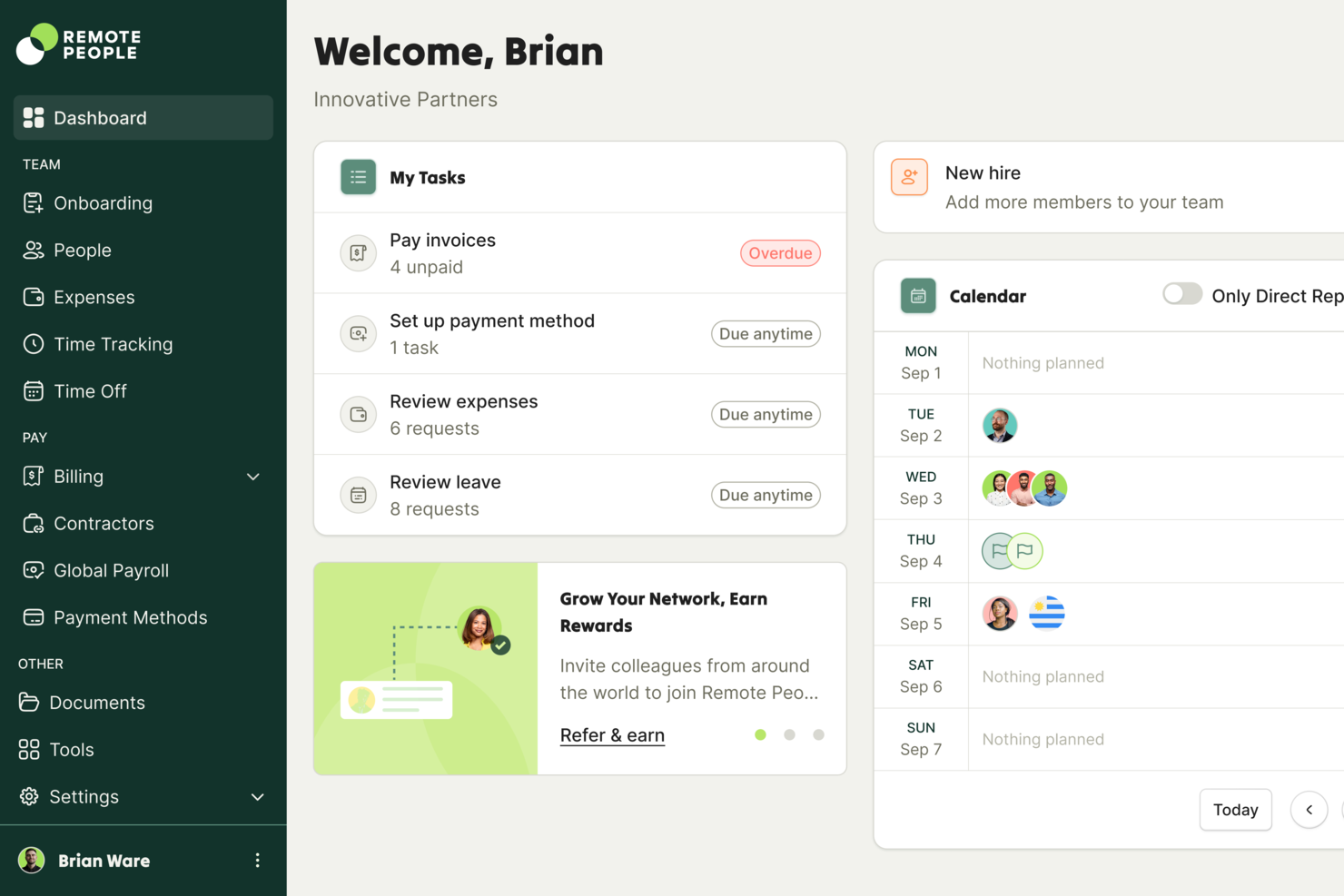
RemotePeople is an EOR platform focused on Greece, offering employment compliance, local payroll administration, and in-country HR support for businesses expanding into the Greek market.
Who Is RemotePeople Best For?
RemotePeople is a strong fit for international companies and startups that need to hire employees in Greece without setting up a local legal entity.
Why I Picked RemotePeople
Data privacy is a real operational concern when you're employing people in Greece, since the Hellenic Data Protection Authority (HDPA) actively enforces GDPR and issues fines for non-compliant HR data handling. RemotePeople is one of my top picks because it operates under a formal Data Processing Agreement (DPA) that covers all employee personal data processed on your behalf, including payroll records, tax filings, and social insurance data. I also like that employee data is stored on EU-based servers, which keeps cross-border transfer risk off the table entirely. That matters when your Greek employees' records never need to leave the EU to be processed.
RemotePeople Key Features
- Greek employment contract drafting: RemotePeople prepares Greek-language employment contracts that meet all Labour Code requirements, covering role specifications, probation terms, and termination conditions.
- EFKA and AADE tax registration: The platform registers new hires with e-EFKA for pension and social security, EOPYY for healthcare, and AADE for income tax withholding.
- Work permit and visa support: RemotePeople manages the full permit application process for non-EU hires, including documentation, labour market testing, and tracking with the Greek Ministry of Migration.
- Termination and severance management: RemotePeople handles notice delivery, severance calculations under Law 2848/2000, and final payroll processing when an employee exits.
RemotePeople Integrations
Integrations are not publicly listed.
Pros and Cons
Pros:
- Accurate handling of Greek payroll bonuses
- Dedicated account managers based in Greece
- Proactive compliance with labor law changes
Cons:
- Limited third-party software integrations
- Does not offer a free trial or plan
Multiplier
Best for automated Greek mandatory bonuses
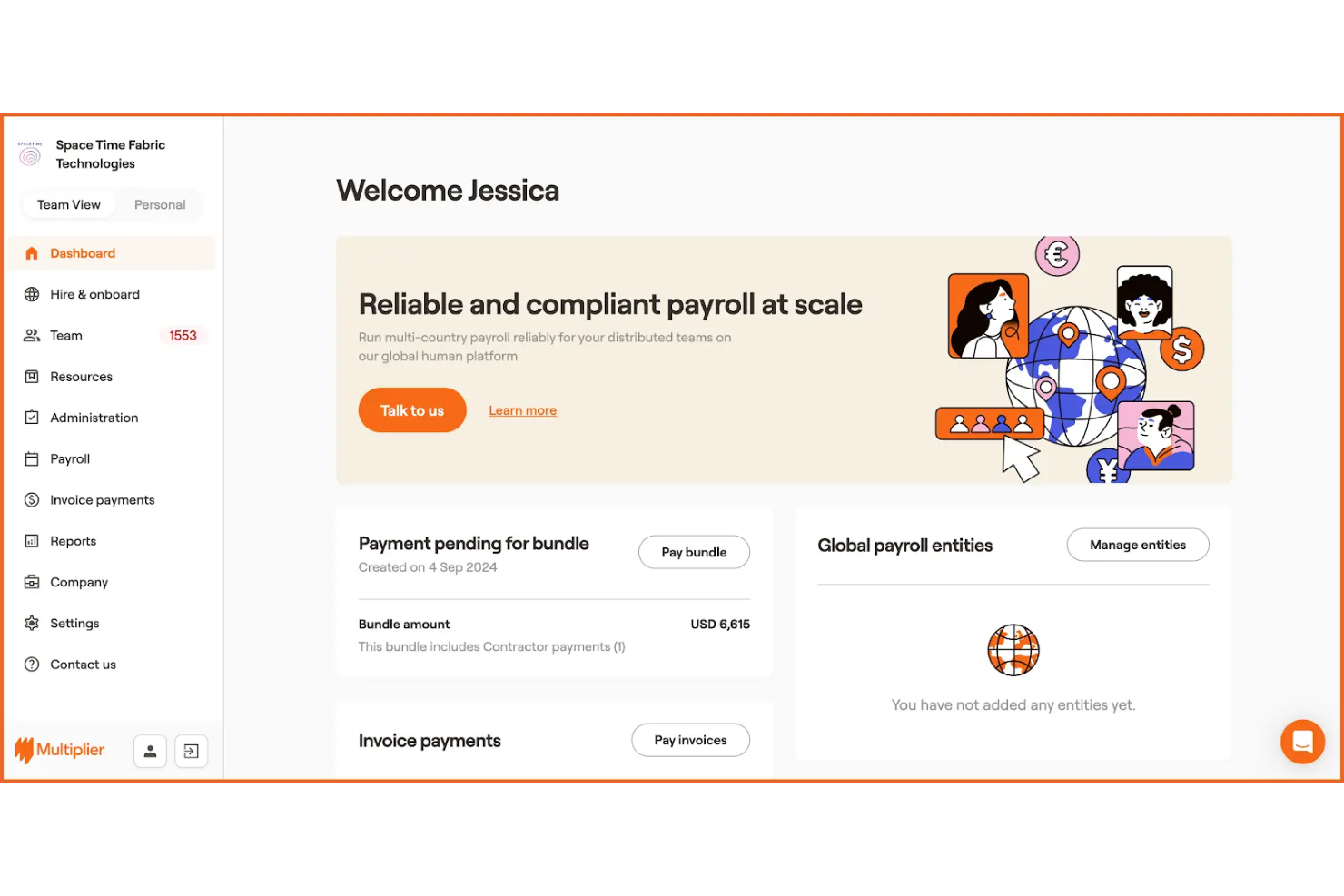
Multiplier is an Employer of Record platform for Greece that combines automated payroll, local compliance management, contract generation, and statutory benefits administration in one system.
Who Is Multiplier Best For?
HR teams at global companies hiring in Greece who need automated compliance with local payroll and statutory bonus requirements.
Why I Picked Multiplier
I picked Multiplier as one of the best because I can automate Greek mandatory bonuses like Christmas, Easter, and vacation pay without manual calculations. I like that the platform handles local payroll compliance and generates contracts tailored to Greek labor laws. My team uses Multiplier to manage statutory benefits and ensure every Greek hire receives the correct entitlements.
Multiplier Key Services
- Employment contract generation: Create compliant Greek employment contracts directly in the platform.
- Local tax withholding: Automate Greek tax calculations and withholdings for employees.
- Time-off management: Track and approve employee leave and absences in line with Greek labor laws.
- Document management: Store and organize HR and compliance documents for Greek hires.
Multiplier Integrations
Integrations include HiBob, BambooHR, Workday, Deel, and more.
Pros and Cons
Pros:
- Built-in cryptocurrency payment options
- Integrated Greek EFKA contribution calculator
- Automated 13th and 14th salary
Cons:
- Limited white-labeling for client branding
- No native payroll-only service option
Other Employer of Record Services in Greece
Here are some additional employer of record services in Greece options that didn’t make it onto my shortlist, but are still worth checking out:
- Safeguard Global
For Greek labor market insights
- Gloroots
For ERGANI II compliance reporting
- Mercans
For multi-country payroll with a Greek entity
- RemoFirst
For transparent Euro pricing
- WorkMotion
For statutory leave tracking


How I Evaluate Employer of Record Services in Greece
I split my evaluation into three parts, with the most weight on core functionality: hire legally, run Greek payroll, and manage statutory leave. Next, I look for ERGANI integration and 14th-salary automation. Finally, I consider onboarding speed, local support, transparent pricing, and GDPR-aligned data handling.
Core Functionality (Table Stakes For This List)
When I'm selecting tools for my list, I score each one on a scale from 0 (does not offer the functionality) to 5 (excels in this area) for each core functionality listed below. I then convert the total into a percentage to help assess each tool's overall fit, with extra weight on any functionalities I’ve deemed essential.
- Local Legal Employment (Essential): I look for an entity or managed local partner that can employ Greek staff without requiring a client entity.
- Greek Payroll & Tax (Essential): I check Greek payroll processing, tax filings, and social contributions, including clear records for each pay run.
- Statutory Benefits: I assess tracking for statutory leave, insurance, and pension obligations as employee circumstances change.
- Compliant Contracts: I review Greek-law contracts covering pay, hours, leave, and termination terms, with version control for later changes.
- Termination Support: I look for guidance on notice, severance, documentation, and final pay when a Greek employee leaves.
- Visa And Work Permits: For international hires, I assess permit applications, renewal tracking, and support when immigration details change.
Once I have a list of tools that meet the criteria, I consider what sets each platform apart.
Differentiating Factors (What Sets Vendors Apart)
Here's how I compare and contrast different vendors:
Standout Features
I check whether a platform automatically calculates Greece's mandatory 13th and 14th-month salary payments, since manual tracking across split payment windows creates real payroll risk. ERGANI integration is another factor I evaluate closely—providers like Oyster HR or Remote that connect directly to Greece's labor registration system can cut onboarding delays significantly. I also look for collective agreement mapping, because certain Greek sectors have bargaining terms that override statutory minimums, and missing those exposes your business to underpayment claims.
Beyond Features
I look at how fast a provider can actually get someone onboarded in Greece, since IKA/EFKA enrollment delays can leave you temporarily non-compliant. Pricing structure matters too—flat per-employee fees give finance teams predictable costs, while percentage-of-payroll models can quietly inflate as salaries grow. I also check each vendor's GDPR data residency policies, especially for cross-border transfers outside the EU.
How to Choose Employer of Record Services in Greece
It’s easy to get bogged down in long feature lists and complex pricing structures. To help you stay focused as you work through your unique software selection process, here’s a checklist of factors to keep in mind:
| Factor | What to Consider |
|---|---|
| Scalability | Will the solution support your growth in Greece and other countries, or is it limited to small teams or single-country hiring? |
| Integrations | Does the platform connect with your existing HR, payroll, or accounting systems, or will you need manual workarounds? |
| Customizability | Can you tailor employment contracts, benefits, and workflows to match your company’s policies and Greek legal requirements? |
| Ease of use | Is the interface intuitive for your HR team and local managers, or will it require extensive training and support? |
| Implementation and onboarding | How long does it take to get set up and start hiring in Greece? Are there onboarding resources and local support available? |
| Cost | Are all fees transparent, including setup, monthly, and offboarding costs? Watch for hidden charges tied to Greek compliance or payroll. |
| Security safeguards | Does the provider meet GDPR and local data protection standards for handling Greek employee information? |
| Compliance requirements | How does the provider stay current with Greek labor laws, tax changes, and reporting obligations? Can they demonstrate recent updates? |
What Are Employer of Record Services in Greece?
Employer of record services in Greece are third-party providers that legally employ workers in Greece on your behalf, handling payroll, contracts, tax compliance, and local labor law requirements. These services let you hire and manage Greek employees without setting up a local entity, reducing administrative risk and ensuring compliance with Greek employment regulations.
Why Use an Employer of Record Service in Greece?
Using an employer of record (EOR) in Greece allows you to hire employees without setting up a local entity or navigating a complex employment framework shaped by national law and EU directives. To hire directly, you must register with Greek tax authorities and the unified social security system (EFKA), manage payroll reporting, and comply with strict labor regulations enforced by the Ministry of Labour and the Labour Inspectorate.
Greece also has highly protective employment laws, including mandatory bonuses, regulated termination procedures, statutory severance, and detailed leave entitlements. An EOR helps you stay compliant with these requirements, reduces administrative burden, and lowers the risk of missteps—especially around termination and social security contributions.
Deciding Between an EOR and a Legal Entity in Greece
When deciding between using an EOR or setting up a legal entity in Greece, the key factor is whether you need speed and flexibility or long-term operational control.
Setting up a Greek entity requires registration with tax authorities, enrollment in the social security system (EFKA), and ongoing compliance with payroll, labor law, and reporting obligations. While feasible, it requires local expertise and ongoing administration. An EOR allows you to hire immediately without establishing a legal presence.
| Feature | Employer of Record (EOR) | Legal Entity (Greece) |
|---|---|---|
| Setup Time | Fast (days to ~2 weeks) | Moderate (3–8+ weeks depending on setup) |
| Operational Readiness | Immediate hiring | Delayed; requires registration and setup |
| Compliance Responsibility | Shared; EOR handles payroll and labor law compliance | Fully on your company |
| Payroll and Tax Setup | Managed by EOR | Must register with tax authorities and EFKA |
| Administrative Burden | Low | High; ongoing accounting and reporting |
| Flexibility | High | Lower; tied to permanent presence |
| Cost Structure | Service-based fee | Setup + ongoing compliance costs |
| Best For | Market entry, remote hiring | Long-term operations and scaling |
EOR vs Permanent Establishment in Greece
When hiring in Greece, one key risk is creating a permanent establishment (PE), which can expose your company to local corporate taxation and regulatory obligations.
A PE is typically triggered if your company has a fixed place of business (such as an office) or conducts business through employees or representatives in Greece who act on your behalf. If a PE is established, your company may be subject to Greek corporate income tax and local reporting requirements.
This risk increases if you:
- Employ staff directly in Greece
- Maintain a physical office or infrastructure
- Allow employees to negotiate or conclude contracts on your behalf
For companies hiring small teams or testing the market, managing PE exposure is a key consideration.
How EORs Protect From Permanent Establishment Risk
An EOR helps reduce PE risk by creating a clear legal separation between your company and your workforce in Greece.
- Legal employer structure. The EOR is the official employer, not your company
- No local entity required. You avoid creating a fixed place of business
- Local compliance handled by the EOR. Payroll, tax, and social security are managed under the EOR’s registrations
- Service-based relationship. Your agreement with the EOR is a B2B contract, not direct employment
- Reduced authority risk. Roles can be structured to avoid employees acting as legal representatives of your company
While this significantly reduces risk, it does not eliminate it entirely if employees are heavily involved in revenue-generating or decision-making activities.
Hiring in Greece: Important Details
Here are key details to understand if you’re hiring employees in Greece. Your EOR will handle these requirements, but understanding them helps you plan effectively.
Hiring in Greece is governed by national labor legislation aligned with EU directives, with strong employee protections around working conditions, termination, and benefits.
- Employment contracts can be written or oral, but written terms are required. Employers must provide written details of employment conditions within two months of hiring.
- Indefinite contracts are the default. Fixed-term contracts are only allowed for objective reasons, and misuse is scrutinized.
- Standard working hours are 40 per week. Total working time, including overtime, cannot exceed 48 hours on average over a reference period.
- Overtime and premium pay are regulated. Additional pay is required for overtime, night work, Sundays, and public holidays.
- Employees receive 14 salaries per year, including:
- 12 monthly salaries
- Christmas bonus
- Easter bonus
- Vacation allowance
- Annual leave is mandatory. Minimum entitlement starts at 20 working days per year and increases with tenure.
- Greece has 12+ public holidays annually. These are separate from annual leave and must be observed with paid time off.
- Public holidays include:
- New Year’s Day – January 1
- Epiphany – January 6
- Greek Independence Day – March 25
- Labour Day – May 1
- Assumption Day – August 15
- Ohi Day – October 28
- Christmas Day – December 25
- Synaxis of the Mother of God (Boxing Day equivalent) – December 26
- Maternity leave is 17 weeks. Typically, 8 weeks before birth and 9 weeks after, with compensation supported by social security.
- Paternity leave is 14 days. Paid and protected under the law.
- Parental leave is available. Each parent can take additional unpaid leave (up to 4 months per child) with job protection.
- Probation periods are allowed. Typically up to 6 months for indefinite contracts.
- Termination is highly regulated. Employers must provide written notice and follow formal procedures.
- Severance pay is mandatory in many cases. Amount depends on tenure and must be paid upon termination, where applicable.
- Social security registration is required. Employees must be registered with EFKA before starting work.
Tax Overview for Employers in Greece
Greece has a structured payroll system with mandatory employer contributions and strict reporting requirements.
- Employers act as withholding agents. You must withhold income tax from employee salaries and remit it to tax authorities.
- Income tax is progressive. Rates vary depending on income level and must be reported monthly.
- Social security contributions are mandatory (EFKA). These include:
- Pension contributions (~13.33% employer share)
- Healthcare contributions (~4.30% employer share)
- Unemployment and other contributions
- Employer contributions are significant. Total employer-side contributions are typically over 20% of salary.
- Monthly payroll reporting is required. Employers must submit electronic payroll declarations and contributions on time.
- Strict compliance enforcement applies. Authorities actively monitor payroll accuracy, working conditions, and social security contributions.
Total Cost of Employment in Greece
In Greece, total employment cost is higher than base salary due to additional statutory payments. 14 salaries are required by law, meaning employees receive more than just their monthly pay. These include:
- 1 full salary as a Christmas bonus
- Half salary as an Easter bonus
- Half salary as a vacation allowance
This structure increases total annual compensation by approximately 16.67% above base salary, making it an important factor when budgeting for hires in Greece.
Features of Employer of Record Services in Greece
When selecting employer of record services in Greece, keep an eye out for the following key features:
- Local payroll processing: Handles salary payments, tax withholdings, and social contributions for Greek employees in compliance with local regulations.
- Employment contract management: Drafts, reviews, and maintains legally compliant Greek employment contracts tailored to your business needs.
- Benefits administration: Manages statutory and optional benefits, such as health insurance and pension plans, according to Greek labor laws.
- Tax compliance support: Ensures accurate calculation, filing, and payment of all required Greek taxes and social security contributions.
- Onboarding and offboarding workflows: Provides structured processes for hiring and terminating employees in Greece, including document collection and exit procedures.
- HR document storage: Offers secure, centralized storage for contracts, payslips, and compliance documents related to Greek employment.
- Labor law compliance monitoring: Tracks changes in Greek employment regulations and updates processes to keep your business compliant.
- Employee support services: Delivers local HR support for Greek employees, addressing questions about payroll, benefits, and workplace policies.
- Multi-country workforce management: Lets you oversee Greek and international employees from a single dashboard, simplifying global HR operations.
Benefits of Employer of Record Services in Greece
Implementing employer of record services in Greece provides several benefits for your team and your business. Here are a few you can look forward to:
- Faster market entry: Hire Greek employees quickly without setting up a local entity, thanks to ready-made legal and payroll infrastructure.
- Reduced compliance risk: Stay up to date with Greek labor laws and tax regulations through expert guidance and automated compliance monitoring.
- Simplified payroll management: Handle Greek payroll, tax filings, and social contributions accurately with local payroll processing features.
- Centralized HR administration: Manage contracts, benefits, and HR documents for Greek employees from a single, secure platform.
- Access to local expertise: Benefit from in-country HR and legal support to navigate Greek employment requirements and resolve issues.
- Cost predictability: Avoid hidden fees and unexpected expenses with transparent pricing and clear service agreements.
- Improved employee experience: Offer Greek employees compliant contracts, timely payroll, and responsive local support for HR questions.
Costs and Pricing of Employer of Record Services in Greece
Selecting employer of record services in Greece requires an understanding of the various pricing models and plans available. Costs vary based on features, team size, add-ons, and more. The table below summarizes common plans, their average prices, and typical features included in employer of record services in Greece:
Plan Comparison Table for Employer of Record Services in Greece
| Plan Type | Average Price | Common Features |
|---|---|---|
| Free Plan | $0 | Access to basic HR resources, limited document storage, and email support. |
| Personal Plan | $200-$400/employee/month | Local payroll processing, employment contract management, and basic compliance support. |
| Business Plan | $400-$600/employee/month | Full payroll and tax compliance, benefits administration, onboarding workflows, and HR document storage. |
| Enterprise Plan | $600-$900/employee/month | Advanced compliance monitoring, dedicated account management, custom integrations, and local HR advisory. |
Employer of Record Services in Greece FAQs
Here are some answers to common questions about Employer of Record services in Greece:
How does an EOR handle IP transfer upon termination in Greece?
In Greece, intellectual property (IP) is governed by Copyright Law 2121/1993, and the default rule is nuanced. The employee is always the original author, but the employer automatically receives the economic rights necessary to fulfill the employment contract—not full ownership unless explicitly agreed.
When using an EOR, the EOR is the legal employer, so IP rights would initially flow to them under this framework. To ensure your company retains full ownership, EORs use back-to-back contractual assignments, where IP rights are contractually transferred from the employee to the EOR, and then from the EOR to your company. These agreements explicitly extend beyond termination, ensuring all IP created during employment remains with you, while also addressing limitations like non-transferable moral rights, which remain with the employee under Greek law.
How long does it take to hire an employee in Greece using an Employer of Record?
Most EOR services can onboard a new Greek employee, whether located in Athens or elsewhere, in one to two weeks. This timeline includes contract preparation—detailing the probationary period and workweek structure—document collection, and registration with local authorities. This approach is far less time-consuming than traditional entity setup.
Can an Employer of Record handle both payroll and benefits for Greek employees?
Yes, an EOR provider in Greece typically manages payroll, tax filings, and statutory benefits like sick leave. They ensure the gross salary is paid correctly in EUR and help administer optional benefits, allowing you to manage your day-to-day HR operations while remaining cost-effective.
What types of companies use Employer of Record services in Greece?
Both startups entering the Greek market and established international businesses looking to outsource HR administration use these services for global hiring. An EOR solution is especially useful for companies without a Greek legal entity that want to hire top talent quickly without navigating complex local laws alone.
Are Employer of Record services in Greece compliant with local labor laws?
Yes, reputable providers stay current with Greek global employment regulations and ensure all employment contracts meet the national minimum wage and other legal requirements. This reduces compliance risks and simplifies management of notice periods based on an employee’s length of service.
Can I convert a contractor to a full-time employee through an Employer of Record in Greece?
Yes, many providers acting as a PEO offer contractor-to-employee conversion support. They handle the transition process, update contracts to reflect Greek local laws, and ensure the entire shift is compliant with national regulations, making it a part of your global hiring strategy.
This content is provided for general informational purposes only and does not constitute legal, tax, or other professional advice. It may not be complete, accurate, or current, and laws and practices may change without notice and vary by jurisdiction. You should not act on this information without obtaining advice from qualified legal or tax counsel in the relevant jurisdiction regarding your specific circumstances.