

10 Best Employer of Record Services in Costa Rica in 2026

Employer of Record Services in Costa Rica Shortlist


Hiring in Costa Rica can open up access to skilled talent, but it also comes with legal, payroll, and compliance challenges that can slow teams down. Setting up a local entity is time-consuming and expensive, and navigating Costa Rican labor laws without local expertise can create risk for growing businesses.
An employer of record service in Costa Rica solves this by acting as the legal employer on your behalf, handling payroll, tax compliance, employment contracts, and HR administration. This allows you to hire quickly, stay compliant, and focus on building your team instead of managing regulatory complexity. In this guide, you’ll find the top employer of record providers for 2026, along with practical insights to help you choose the right solution for your hiring strategy.
Why Trust Our Software Reviews
Our team has been testing and reviewing software since 2012. As HR experts ourselves, we know how difficult—and important—it is to choose the right software.
For this guide, we evaluated tools using hands-on testing and independent research, scoring tools using our selection criteria. We also draw on insights from industry thought leaders and practicing HR experts.
Our reviews reflect our human editorial judgment, not a sales pitch.
Expert reviewers:
Best Employer of Record Services in Costa Rica Summary
This comparison chart summarizes pricing details for my top selections for EOR services in Costa Rica to help you find the best one for your budget and business needs.
| Tool | Best For | Trial Info | Price | ||
|---|---|---|---|---|---|
| 1 | Best for hiring across 180+ countries from one platform | Free demo available | From $599/employee/month | Website | |
| 2 | Best with transparent pricing | Free demo available | From $599/employee/month | Website | |
| 3 | Best for vetted LATAM tech talent | Free consultation available + free to use until you hire | Pricing upon request | Website | |
| 4 | Best for AI-powered automation in global hiring | Free demo available | From $579/month | Website | |
| 5 | Best for cross-border recruitment solutions | Not available | Pricing upon request | Website | |
| 6 | Best with API-driven integrations for HR systems | Free demo available | Pricing upon request | Website | |
| 7 | Best for tailored compliance support in complex markets | Not available | Pricing upon request | Website | |
| 8 | Best for in-country HR advisory services | Free demo available | Pricing upon request | Website | |
| 9 | Best for multilingual onboarding assistance | Not available | Pricing upon request | Website | |
| 10 | Best for dedicated local HR experts | Free demo available | Pricing upon request | Website |
Top EOR Services in Costa Rica Reviews
Below are my detailed summaries of the employer of record services in Costa Rica that made it onto my shortlist. My reviews offer a detailed look at the features, best use cases, and cost-effectiveness of each platform to help you find the best one for you.

G-P
Best for hiring across 180+ countries from one platform
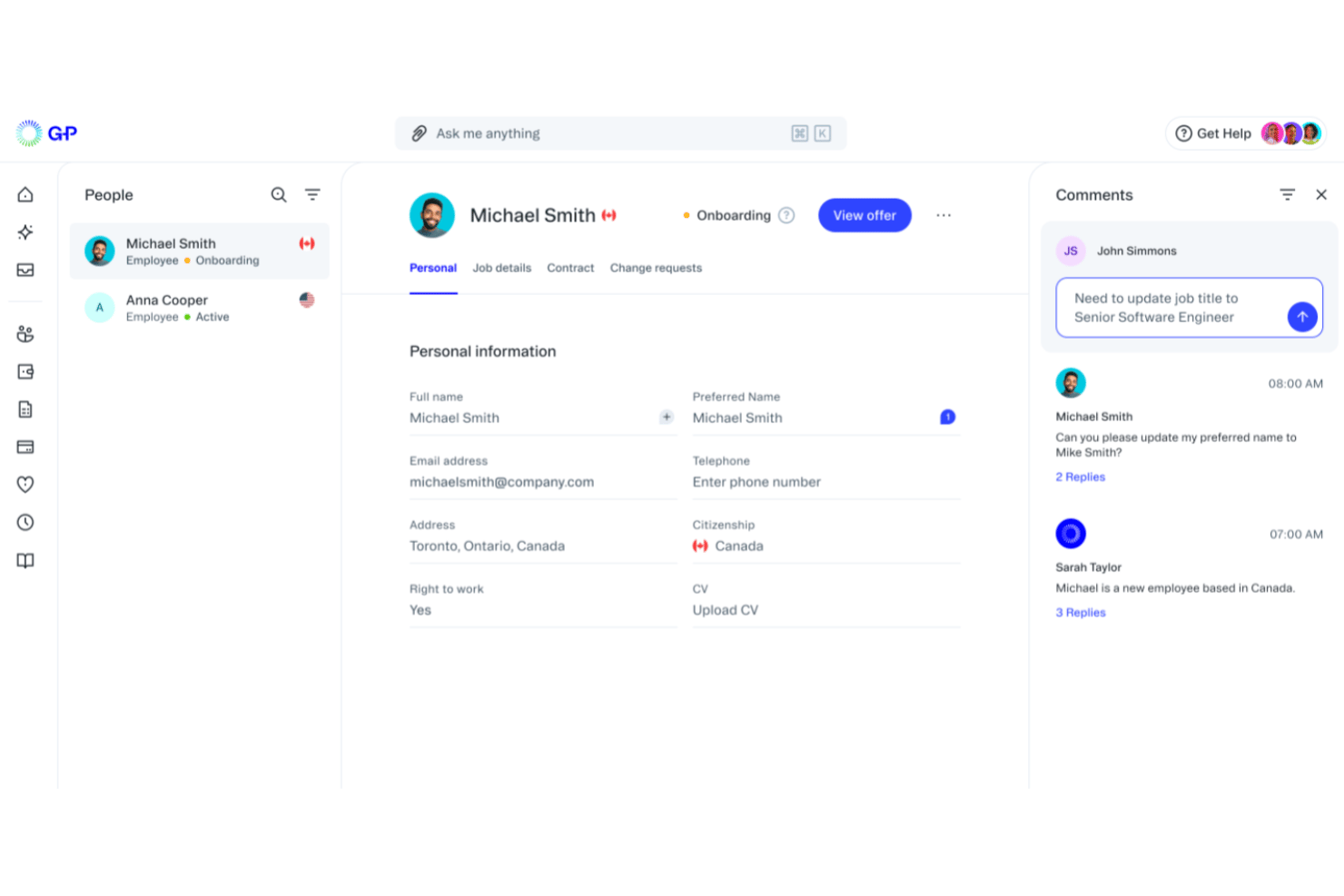
G-P is a global employer of record platform that manages compliant hiring, payroll, benefits, and contractor engagement across 180+ countries from a single unified interface.
Who Is G-P Best For?
G-P is a strong fit for enterprise and mid-market teams that need to hire across multiple countries simultaneously and want one platform to manage it all.
Why I Picked G-P
G-P earns its spot on my shortlist because no other platform lets you hire across 180+ countries, including Costa Rica, without juggling multiple regional vendors. I'm particularly impressed by the Global Compliance Engine, which auto-generates Spanish-language contracts and handles CCSS contributions, aguinaldo calculations, and cesantía automatically. G-P Contractor™ also adds real value, running AI-powered misclassification checks so you can engage Costa Rican contractors confidently before converting them to full-time employees.
G-P Key Features
- G-P Gia™ AI compliance advisor: An AI-powered tool that generates compliant HR documents and delivers automated alerts when Costa Rican labor regulations change.
- Workday native integration: A pre-built, native connection to Workday that syncs employee data, payroll, and HR workflows across your existing tech stack.
- Employee self-serve portal: A mobile-friendly interface where Costa Rican employees can submit time-off requests, access payslips, and manage expense submissions.
- Statutory benefits enrollment: Automated enrollment and administration of CCSS, INS workers' compensation, and supplemental benefits like private health plans and meal vouchers.
G-P Integrations
G-P offers 10+ integrations, including native connections with Workday, BambooHR, HiBob, Personio, SAP SuccessFactors, UKG Pro, ADP Workforce Now, Okta, Microsoft Entra ID, and Google Workspace. Its open API supports custom integrations.
Pros and Cons
Pros:
- Automated Costa Rica compliance and benefits calculation
- Spanish-language contracts generated automatically
- Covers 180+ countries from one platform
Cons:
- Pricing transparency beyond base rate is limited
- Customer support response times can be slow

Best with transparent pricing
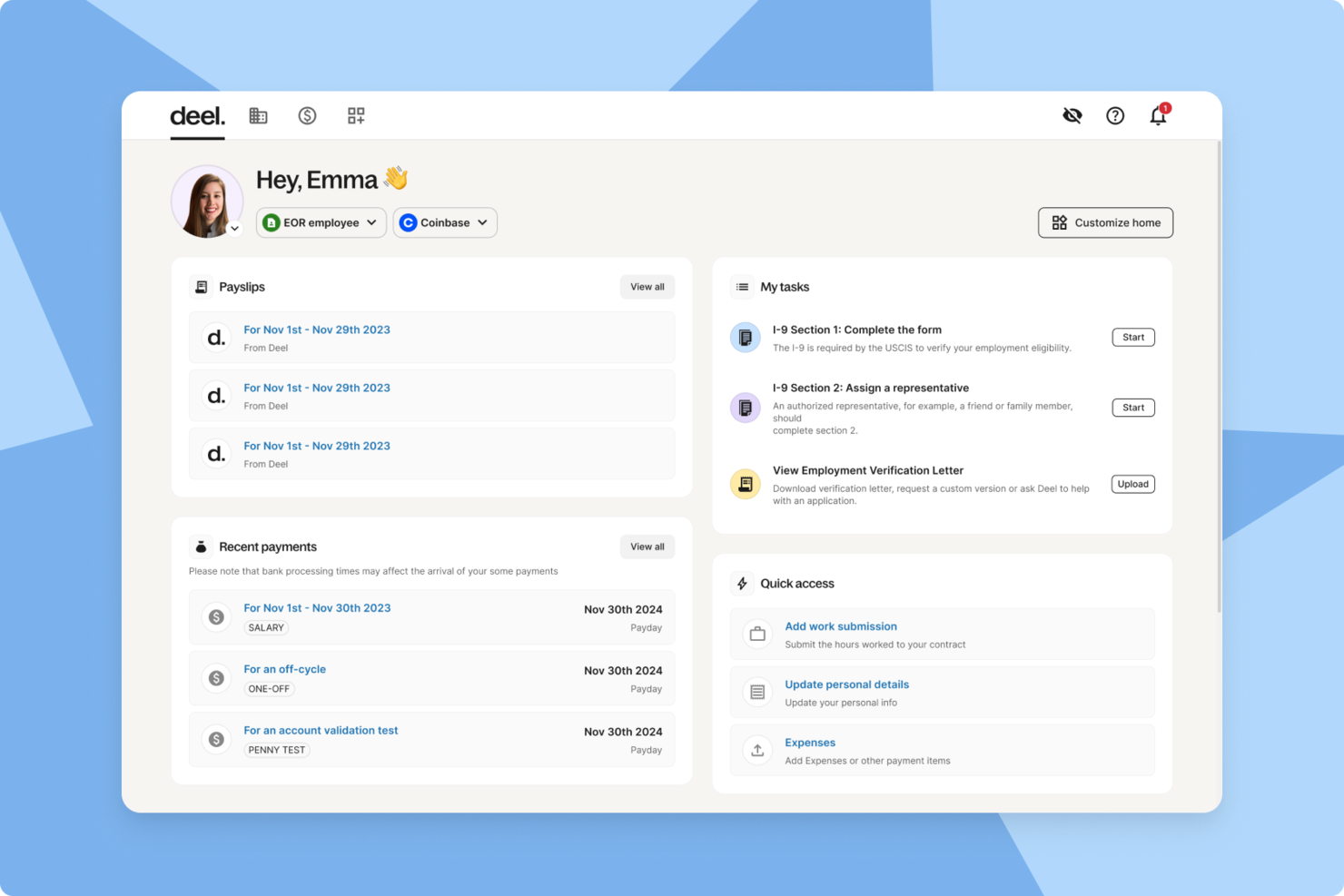
Deel Hire is an employer of record platform that handles compliant hiring, payroll, localized contracts, and HR administration for businesses expanding or managing teams in Costa Rica.
Who Is Deel Hire Best For?
Deel Hire is a strong fit for companies of any size that need to hire and pay employees in Costa Rica without setting up a local legal entity.
Why I Picked Deel Hire
Deel Hire earns its spot on my shortlist because pricing is clearly listed on the website with no ambiguity about what's included. At $599 per employee per month for the EOR plan, you know upfront that local compliance, payroll processing, tax filings, and benefits administration are all covered. There are no add-on fees hiding behind the headline rate. When you're hiring in Costa Rica and need to budget accurately, that level of pricing clarity is genuinely useful.
Deel Hire Key Services
- Compliant local contract generation: Deel automatically generates employment contracts that meet Costa Rica's local labor law requirements, covering notice periods, probation terms, and statutory entitlements.
- Candidate sourcing and ATS: Post roles, receive agency-sourced candidates, track applicants, manage interviews, and move hires directly into EOR onboarding without switching platforms.
- Termination and severance management: Deel handles the full offboarding process in line with local labor regulations, including calculating severance payouts and managing accrued benefits like untaken vacation.
- Background screening: Run automated and human-led background checks on new hires directly within the platform before their start date.
Deel Hire Integrations
Deel Hire offers native integrations with QuickBooks, NetSuite, Workday, Google Workspace, and SAP SuccessFactors. It provides an API for custom integrations.
Pros and Cons
Pros:
- Centralized repository for Costa Rican tax forms
- Spanish-language employee dashboards
- Automated calculation of Aguinaldo
Cons:
- Occasional delays in contract review requests
- Limited in-country HR advisory services

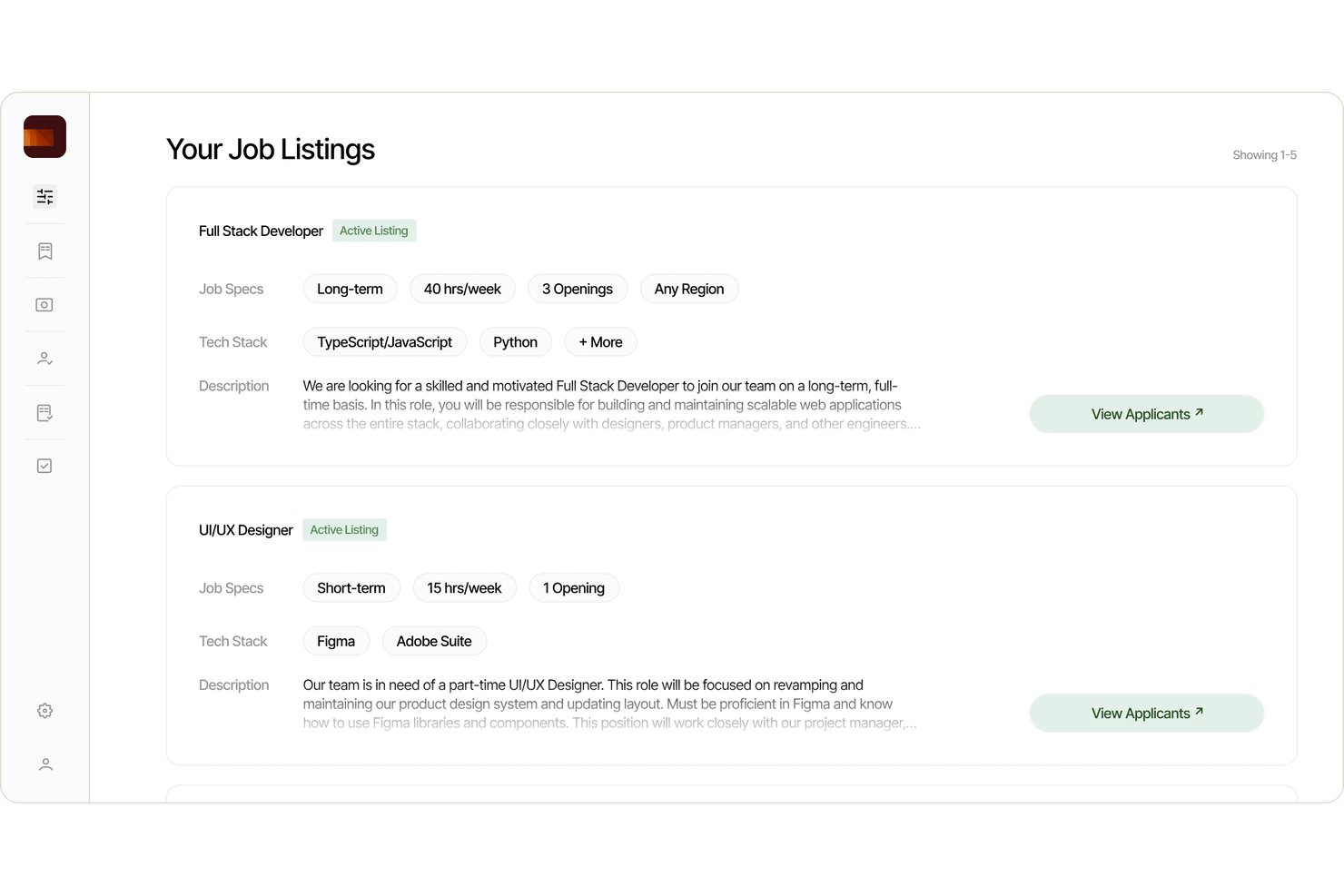
Strider is a LATAM-focused talent hiring and employment platform that manages sourcing, vetting, contracting, and compliance administration for remote tech workers across seven Latin American countries, including Costa Rica.
Who Is Strider Best For?
Strider is a strong fit for U.S.-based tech companies that want to hire full-time software engineers and product talent from Latin America.
Why I Picked Strider
I picked Strider as one of the best because its vetting process goes beyond technical screening. Every candidate is evaluated for English fluency, cultural fit, and communication before a shortlist reaches me. In practice, that means I'm interviewing only pre-qualified Costa Rican talent, not sorting through cold applications. Strider also handles contracts, compliance, and equipment on the back end, so I'm not navigating Costa Rican employment admin from scratch.
Strider Key Features
- Candidate shortlisting: Provides fast, curated lists of pre-vetted Costa Rican tech professionals based on your role requirements.
- Ongoing HR support: Offers centralized handling of equipment needs, onboarding logistics, and employment documentation for remote hires.
- Regional talent coverage: Supports hiring across seven countries in Latin America, including Costa Rica, with a focus on tech roles.
- Automated screening tools: Uses built-in assessments for technical, communication, and team fit criteria before candidates reach your interview stage.
Strider Integrations
Native integrations are not clearly documented.
Pros and Cons
Pros:
- Handles employment admin for Costa Rican hires
- Covers seven LATAM countries from one platform
- Multi-stage vetting filters candidates before interviews
Cons:
- Limited to Latin America
- No self-serve sourcing or candidate search tools

Best for AI-powered automation in global hiring
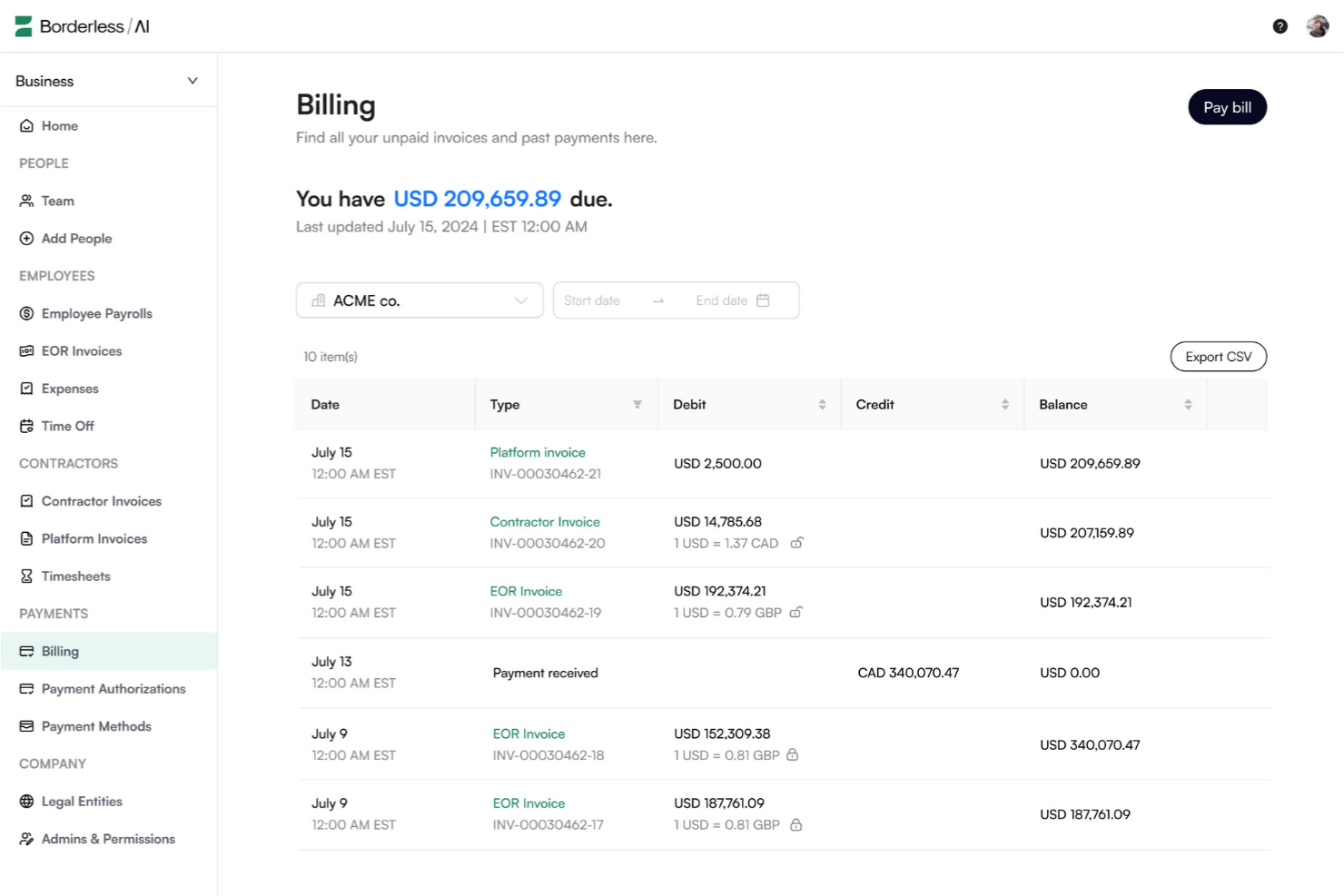
Borderless AI is an employer of record platform for global hiring that uses AI to automate onboarding, payroll, compliance, and document management for teams hiring in Costa Rica and other countries.
Who Is Borderless AI Best For?
Global HR teams and hiring managers seeking automated employer of record solutions for international talent, including Costa Rica.
Why I Picked Borderless AI
I picked Borderless AI as one of the best because I can automate global hiring tasks with its AI-driven contract generation and compliance monitoring. I like that my team can onboard Costa Rican employees quickly using automated workflows. I also use its document management features to keep all employment records organized and accessible.
Borderless AI Key Features
- Multi-country payroll processing: Handles payroll for employees in Costa Rica and other countries.
- Localized benefits administration: Manages country-specific benefits packages and statutory requirements.
- Automated tax compliance: Calculates and files taxes according to Costa Rican regulations.
- Employee self-service portal: Let employees access pay slips, contracts, and personal information online.
Borderless AI Integrations
Integrations include ADP, Workday, Bamboo HR, and more.
Pros and Cons
Pros:
- Centralized document management for global teams
- Fast employee onboarding with automated processes
- AI-driven workflows for onboarding and compliance
Cons:
- No local support presence in Costa Rica
- Limited transparency around integrations
New Product Updates from Borderless AI
Borderless AI Enhances Nium Onboarding and Payroll Workflows
Borderless AI enhances Nium onboarding, payroll adjustment requests, Cayman Islands payroll support, and actionable document workflows to simplify onboarding and payroll management. For more information, visit Borderless AI's official site.
 .
.
Best for cross-border recruitment solutions
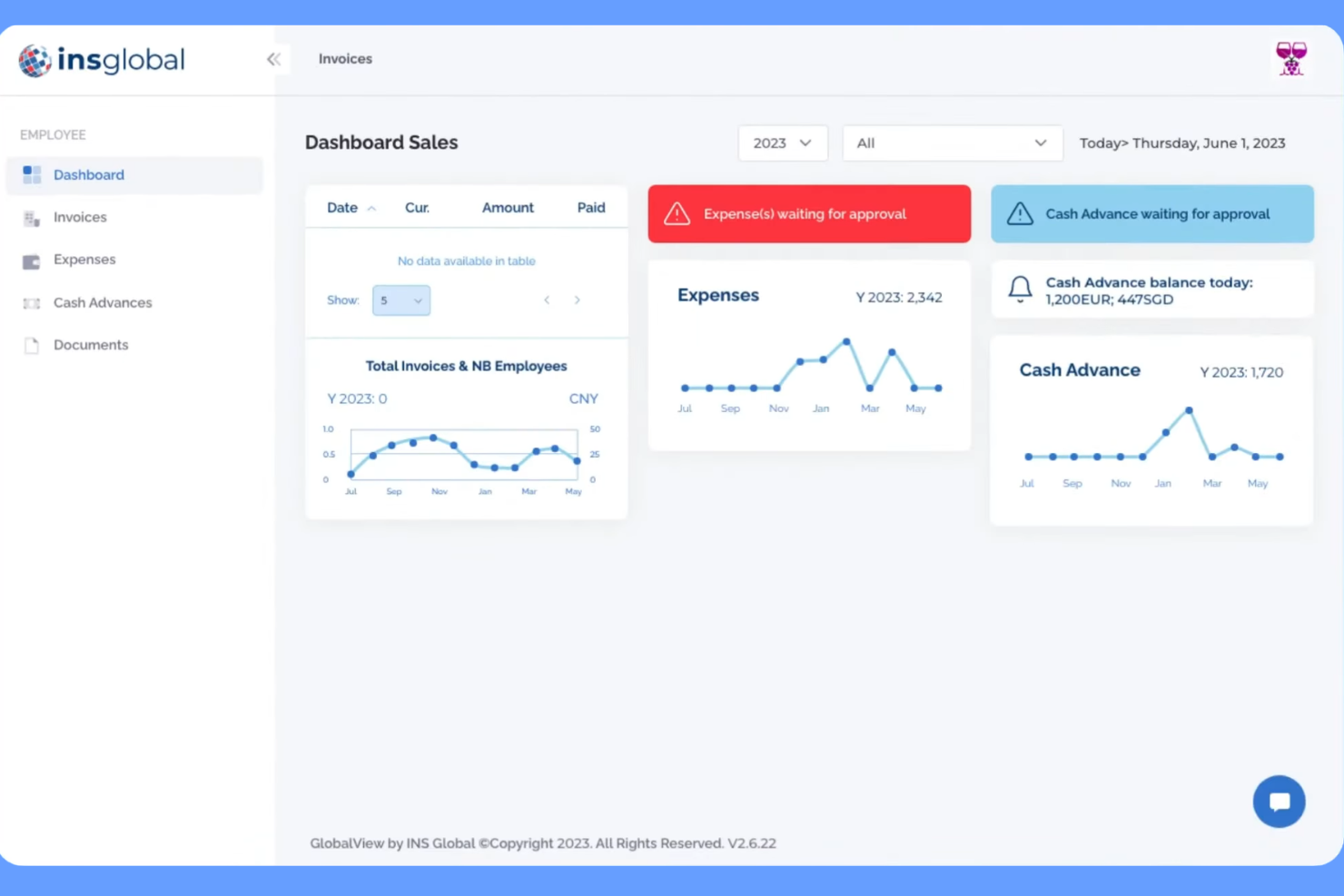
INS Global is an employer of record and cross-border recruitment platform that provides international hiring, payroll, compliance, and HR management services for companies expanding into Costa Rica.
Who Is INS Global Best For?
Companies focused on cross-border hiring that need support not just with onboarding, but also with sourcing talent and managing local employment logistics.
Why I Picked INS Global
I picked INS Global as one of the best because I rely on their cross-border recruitment solutions to source and onboard talent in Costa Rica. My team uses their local hiring support and compliance management to handle employment contracts and payroll setup. I also like that they offer direct assistance with work permits and visa processing for international hires.
INS Global Key Features
- Employee onboarding portal: Lets new hires in Costa Rica complete onboarding tasks digitally.
- Local payroll processing: Calculates and distributes salaries in compliance with Costa Rican law.
- HR document management: Stores and organizes employment records and contracts securely.
- Time-off tracking: Monitors and manages employee leave and absence requests.
INS Global Integrations
Native integrations are not clearly documented.
Pros and Cons
Pros:
- Manages onboarding and employment documentation
- Strong guidance on Costa Rican labor regulations
- Supports hiring without establishing local entity
Cons:
- No clearly defined native integrations
- Limited employee self-service features
Mercans
Best with API-driven integrations for HR systems
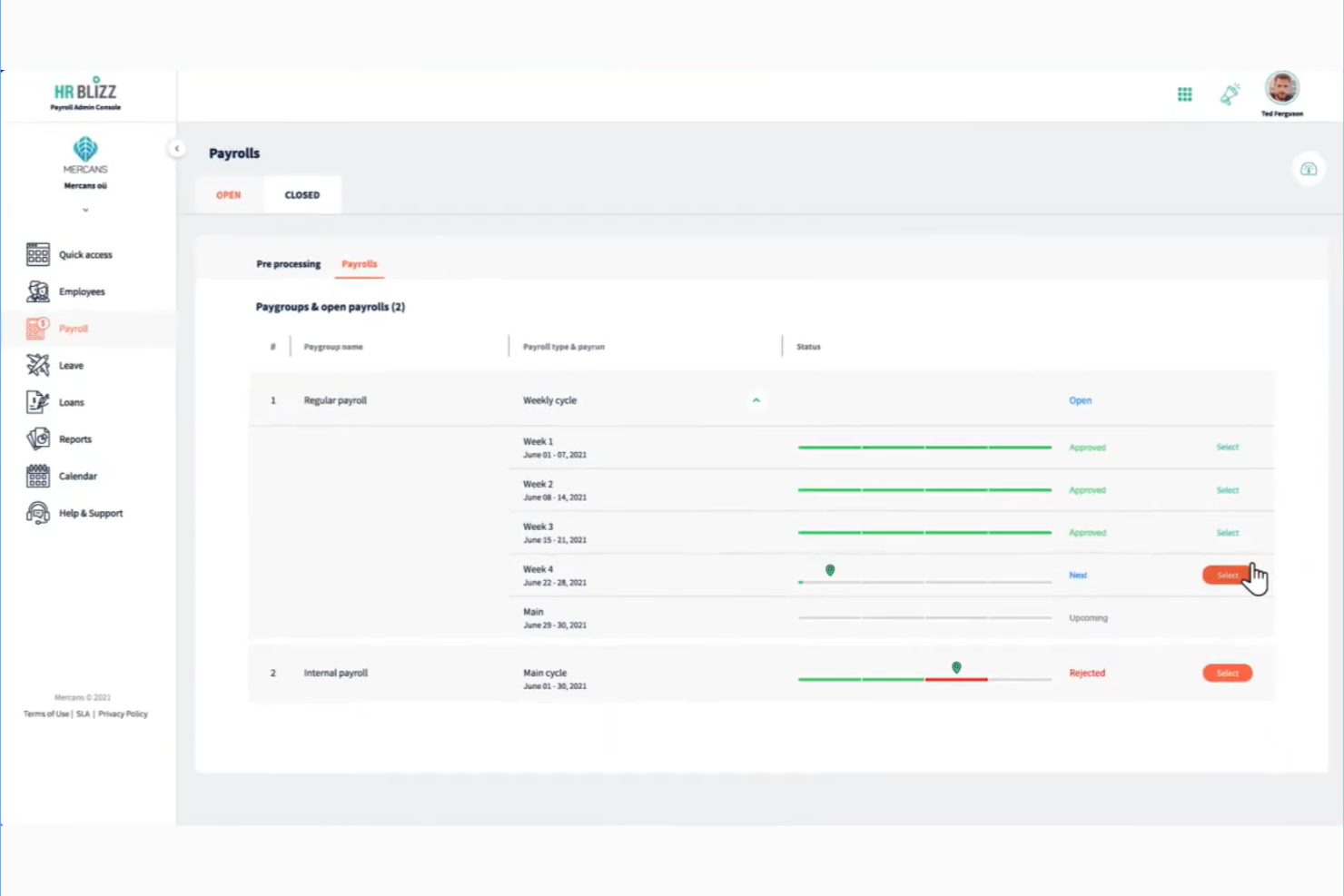
Mercans is an employer of record platform for Costa Rica that provides onboarding, payroll, HR administration, compliance management, and API connectivity for integrating with existing HR systems.
Who Is Mercans Best For?
HR and IT teams at larger organizations that depend on structured data flows and want tighter control over payroll and workforce data across systems.
Why I Picked Mercans
I picked Mercans as one of the best because I like how their API-driven integrations let my team connect payroll and HR data directly to our existing systems. I use their platform to automate onboarding and payroll for Costa Rican hires without manual data entry. I also appreciate their compliance monitoring tools, which help me stay on top of local employment regulations.
Mercans Key Features
- Employment contract management: Drafts and stores compliant contracts for Costa Rican employees.
- Multi-country payroll processing: Runs payroll cycles for teams in Costa Rica and other countries.
- Local statutory benefits administration: Manages health insurance, pension, and other mandatory benefits.
- Employee self-service portal: Lets Costa Rican staff access payslips and update personal details online.
Mercans Integrations
Native integrations are not clearly documented. An API is available for custom integrations.
Pros and Cons
Pros:
- Customizable onboarding workflows for new hires
- Supports multi-country payroll operations
- API enables direct connection with HR systems
Cons:
- Limited clarity around native integrations
- No self-service onboarding for employees

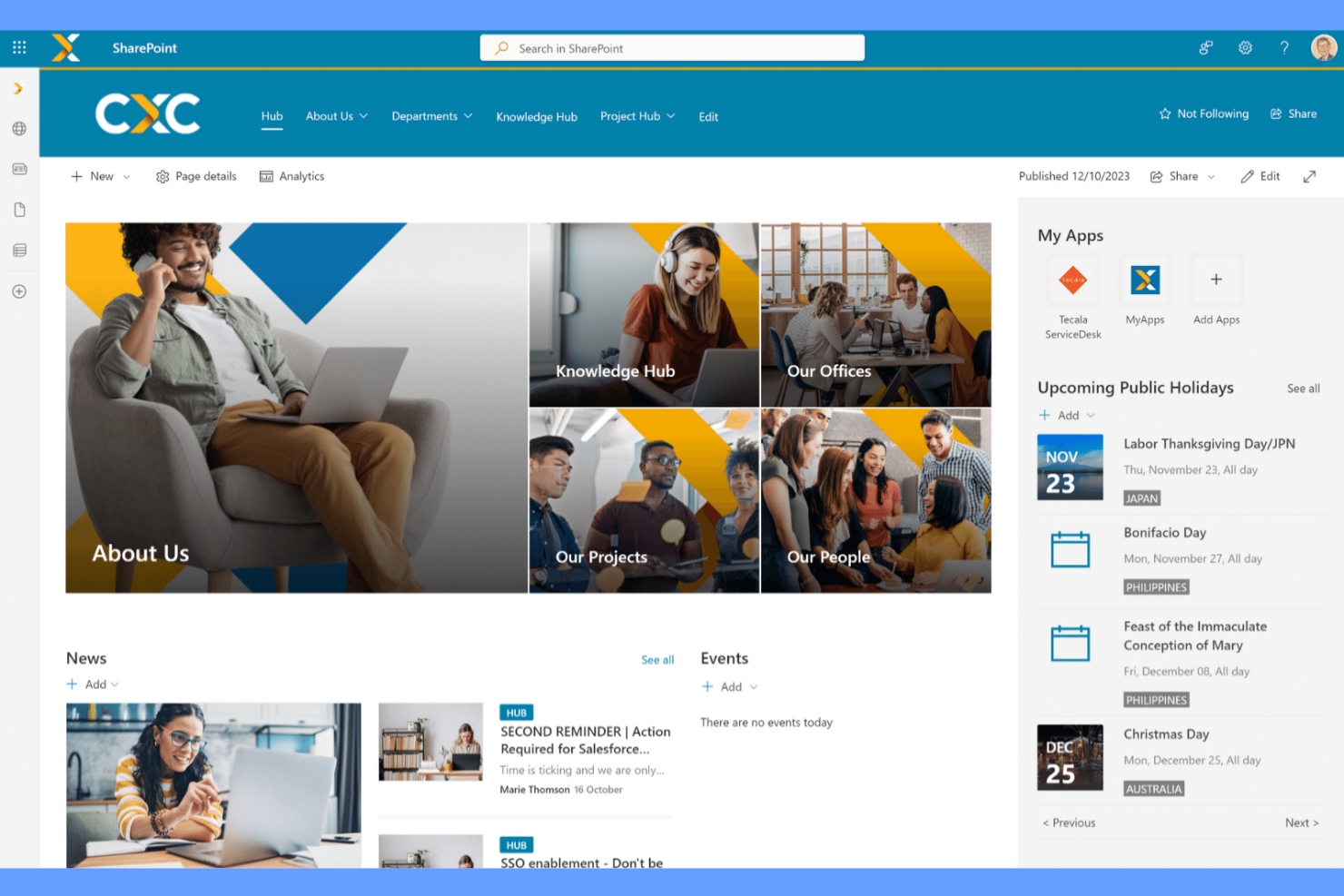
CXC Global is an employer of record platform for Costa Rica, handling onboarding, payroll, tax compliance, and workforce administration for businesses hiring in complex regulatory environments.
Who Is CXC Global Best For?
Global HR teams and compliance leaders managing complex regulatory environments across multiple countries.
Why I Picked CXC Global
I picked CXC Global as one of the best because I see how their team navigates complex compliance requirements in markets like Costa Rica. I like that they offer in-depth local expertise and handle everything from employment contracts to statutory benefits. My team is able to rely on their tailored compliance support when hiring in countries with evolving labor laws.
CXC Global Key Features
- Onboarding management: Digitally collects and processes new hire documentation for Costa Rica-based employees.
- Payroll processing: Runs compliant payroll cycles and manages statutory deductions for local staff.
- Expense management: Tracks and reimburses employee expenses according to Costa Rican regulations.
- HR document storage: Secures employment contracts and HR files in a centralized digital repository.
CXC Global Integrations
Native integrations are not clearly documented. An API is available for custom integrations.
Pros and Cons
Pros:
- Tailored compliance processes for each client
- Strong support for complex workforce scenarios
- Deep expertise in Costa Rican labor laws
Cons:
- Limited visibility into native integrations
- No self-service onboarding for employees

Mauve Group is an employer of record services provider for Costa Rica that offers HR advisory, payroll management, compliance, and onboarding support with a focus on in-country expertise.
Who Is Mauve Group Best For?
Organizations entering new or unfamiliar markets that need in-country HR expertise and ongoing advisory support to handle nuanced compliance requirements.
Why I Picked Mauve Group
I picked Mauve Group as one of the best because I rely on their in-country HR advisory services to navigate Costa Rican labor laws and compliance. My team uses their local HR experts to resolve complex employment issues and ensure contracts meet local standards. I also appreciate their hands-on support with onboarding and payroll for Costa Rican hires.
Mauve Group Key Features
- Payroll processing: Handles salary payments and statutory deductions for Costa Rican employees.
- Employment contract management: Drafts and manages compliant employment agreements for local hires.
- Employee recordkeeping: Maintains secure digital records for all Costa Rican staff.
- Tax compliance support: Manages local tax filings and statutory reporting requirements.
Mauve Group Integrations
Though specific integrations are not listed, Mauve connects with various payroll systems, HR and accounting tools, and time-tracking applications.
Pros and Cons
Pros:
- Strong expertise in employment regulations
- Hands-on support for onboarding and payroll
- In-country HR advisory for local compliance needs
Cons:
- No clearly defined native integrations
- Limited employee self-service functionality

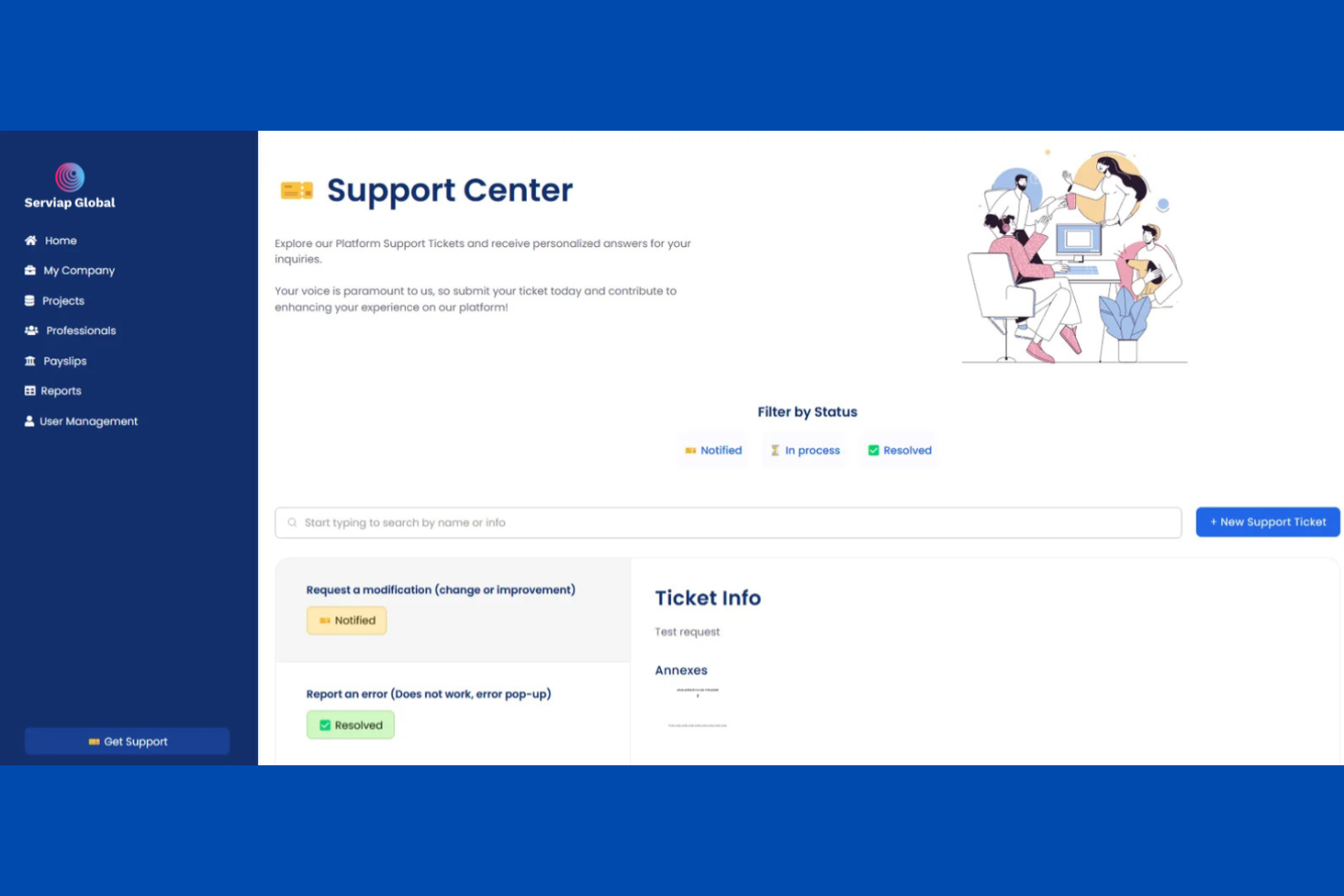
Serviap Global is an employer of record services platform that provides global hiring, payroll management, compliance, and onboarding support in Costa Rica with a focus on multilingual capabilities.
Who Is Serviap Global Best For?
International companies with diverse teams that benefit from multilingual onboarding and region-specific HR guidance for smoother employee experiences.
Why I Picked Serviap Global
I picked Serviap Global as one of the best because I can onboard Costa Rican employees in multiple languages, which is essential for my international teams. I like that my team can access local HR experts who guide us through compliance and labor law requirements. I also use their payroll management and document handling features to keep everything organized for cross-border hires.
Serviap Global Key Features
- Employment contract management: Handles drafting and storage of compliant employment contracts for Costa Rican hires.
- Payroll processing: Manages salary payments, deductions, and statutory contributions for employees in Costa Rica.
- Tax compliance support: Ensures adherence to local tax regulations and reporting requirements.
- Employee recordkeeping: Maintains secure digital records for all Costa Rican employees.
Serviap Global Integrations
Native integrations are not clearly documented. An API is available for custom integrations.
Pros and Cons
Pros:
- Access to regional HR specialists for guidance
- Strong local expertise in Costa Rican compliance
- Multilingual onboarding support for global teams
Cons:
- Payroll processing times can vary
- No in-country customer support office

Rippling
Best for dedicated local HR experts
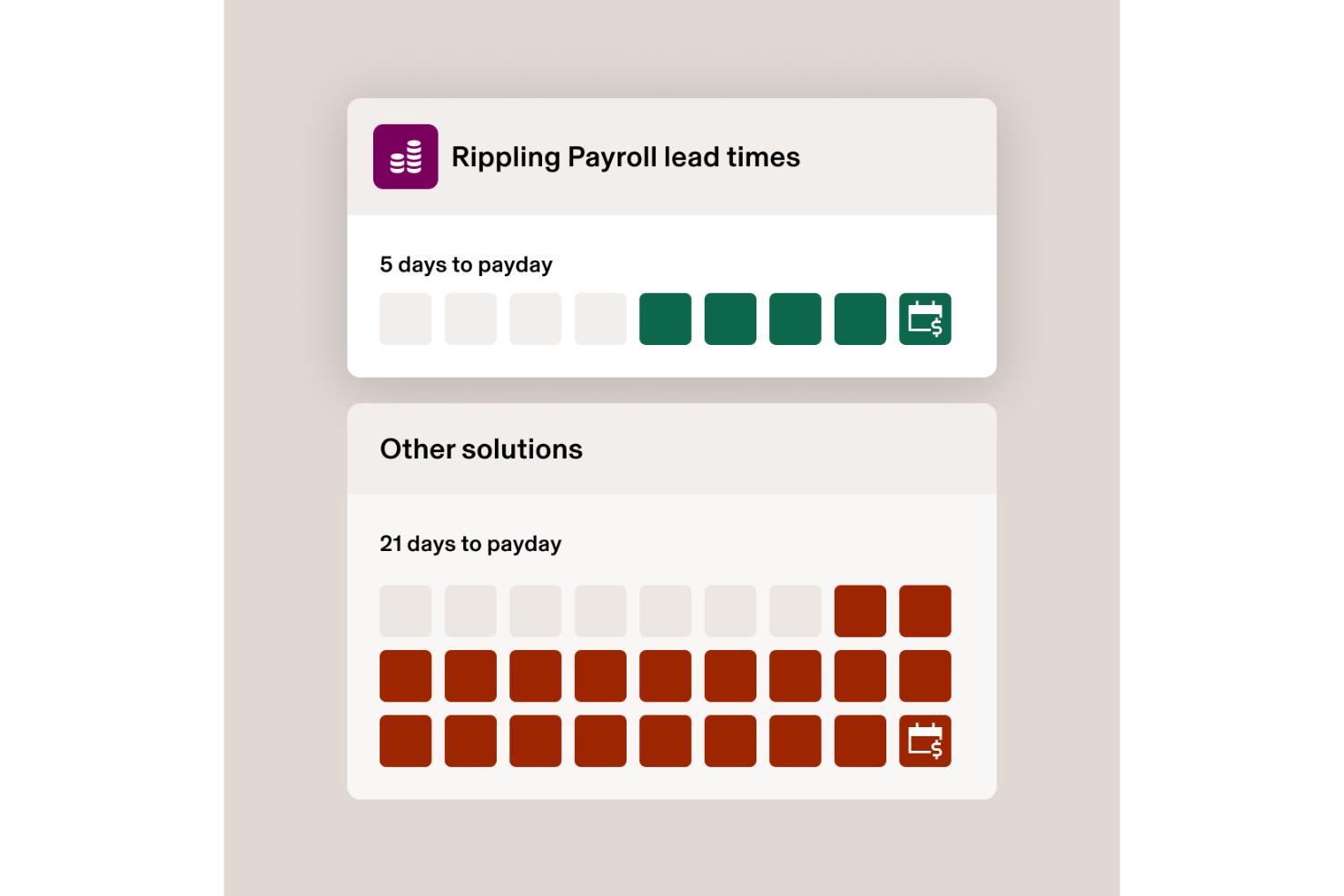
Rippling is a global EOR platform that lets you hire, onboard, and pay employees in Costa Rica—handling local compliance, payroll in colón, and benefits administration within a single connected HR system.
Who Is Rippling Best For?
Rippling is a strong fit for mid-size to enterprise companies that need to manage a distributed global workforce from a single platform.
Why I Picked Rippling
Rippling earns its spot as one of the best on my shortlist because it connects EOR hiring directly to payroll, benefits, and HR data in one platform—no manual syncing between separate systems. When I onboard a Costa Rica-based employee through Rippling's EOR, their local CCSS contributions, payroll in colón, and employment records update automatically across the whole system. I also like Rippling's Workflow Studio, which lets me build automated approval chains triggered by employment events like contract signing or role changes.
Rippling Key Features
- Localized contract generation: Rippling automatically produces Costa Rica-compliant employment agreements tailored to local labor law requirements.
- Mandatory benefits administration: Manage statutory Costa Rica benefits, including worker's compensation and parental leave, directly within the platform.
- Global workforce directory: View and manage all employee records across every country in a single, centralized HR database.
- Compliance monitoring: Rippling flags relevant changes in Costa Rican labor regulations that may affect your employees' terms of employment.
Rippling Integrations
Rippling offers 650+ integrations through its App Shop, including Slack, Salesforce, Google Workspace, Microsoft 365, GitHub, Jira, QuickBooks Online, Xero, NetSuite, and Zoom. An API is available for building custom integrations.
Pros and Cons
Pros:
- Full salary and tax cost breakdown
- Automated workflows triggered by employee data
- Ships and manages devices for remote hires
Cons:
- Support limited to business hours only
- Relies on third-party partners in most countries
Other Employer of record services in Costa Rica
Here are some additional options for employer of record services in Costa Rica that didn’t make it onto my shortlist, but are still worth checking out:
- Papaya Global
For centralized payroll and compliance dashboard
- RemoFirst
For fast onboarding and local compliance
- Remote
For automated local tax calculations
- Multiplier
For Spanish-language contract generation
- Oyster
For contractor and employee management in one platform


How I Evaluate Employer of Record Services in Costa Rica
I split my evaluation into three parts, giving most weight to legally hiring workers and running compliant CRC payroll. Next, I look for misclassification risk scoring and employee self-service portals. Finally, I consider onboarding speed, support, and pricing transparency.
Core Functionality (Table Stakes For This List)
When I'm selecting tools for my list, I score each one on a scale from 0 (does not offer the functionality) to 5 (excels in this area) for each core functionality listed below. I then convert the total into a percentage to help assess each tool's overall fit, with extra weight on any functionalities I’ve deemed essential.
- Costa Rica Legal Entity (Essential): I confirm the provider can legally employ workers through its own Costa Rican entity or a clearly accountable local structure.
- Local Compliance Management (Essential): I assess handling of Costa Rican labor rules, statutory contributions, benefits, contracts, and termination requirements.
- Local Payroll Processing: I check payroll in Costa Rican colones, including local tax withholding, social security deductions, filings, and disbursements.
- Benefits Administration: I look for administration of required benefits and customary supplemental coverage throughout each employee’s lifecycle.
- Contract Management: I assess localized contract generation, amendments, approvals, legal terms, and document retention for Costa Rican employees.
- Multi-Country Platform: I evaluate whether one dashboard manages Costa Rica alongside other countries with consistent workflows and reporting.
Once I have a list of tools that meet the criteria, I consider what sets each platform apart.
Differentiating Factors (What Sets Vendors Apart)
Here's how I compare and contrast different vendors:
Standout Features
Misclassification risk scoring is a big deal when you're hiring contractors in Costa Rica who may need to convert to full employees. I look for tools that automatically flag conversion risk before onboarding begins, saving your team from costly labor disputes. I also evaluate employee self-service portals, checking whether Costa Rican workers can view payslips, request time off, and manage benefits without HR intervention. Work permit and visa support matters too, especially if you're relocating foreign talent into Costa Rica and need a vendor that handles residency documentation end to end.
Beyond Features
I check how fast each vendor can onboard a new hire in Costa Rica, since some providers with mature local entities complete the process in days while others take weeks. Pricing transparency matters too—I compare flat-fee and percentage-of-payroll models and look for hidden FX conversion markups on CRC disbursements. I also evaluate whether vendors hold SOC 2 or ISO 27001 certifications, especially given Costa Rica's data protection law (Law 8968) and the sensitive payroll data involved.
How to Choose an EOR Service in Costa Rica
It’s easy to get bogged down in long feature lists and complex pricing structures. To help you stay focused as you work through your unique software selection process, here’s a checklist of factors to keep in mind:
| Factor | What to Consider |
|---|---|
| Own legal entity in Costa Rica vs. partner network | Some EOR providers operate through their own Costa Rican subsidiary. Others subcontract to a local partner. Direct-entity providers typically offer faster response times, more control over compliance processes, and clearer liability chains. Ask explicitly whether the provider operates its own registered entity with CCSS or relies on a third party. |
| Integrations and workflow customizability | Does it connect natively with your HRIS, payroll, or accounting systems to avoid manual work? Can you tailor workflows, document templates, or reporting to fit your company’s policies? |
| Local labor law expertise | Request specifics: Does the provider have in-house Costa Rican labor attorneys, or do they outsource legal questions? Can they walk you through the cesantía calculation for a 5-year employee without consulting external counsel? The depth of local knowledge varies enormously between providers. |
| Payroll accuracy track record | Is the service well-known with reputable reviews? If you’re not sure, ask for references from current clients employing people in Costa Rica specifically. CCSS filing errors are not theoretical—they result in penalties, and the employer of record's accuracy directly affects your employees' healthcare access and pension accrual. |
| Implementation and onboarding | How long does it take to get set up and start hiring in Costa Rica? Are onboarding resources available? |
| Cost and transparent pricing | Are all fees transparent, including setup, monthly, and offboarding costs for Costa Rica hires? Request a complete fee schedule that itemizes the management fee, any FX margins, benefits administration charges, onboarding fees, and offboarding fees. If a provider cannot or will not provide this breakdown in writing, treat that with caution. |
| Security safeguards | SOC 2 Type II at minimum. Confirm that the certification covers the systems specifically used for Costa Rica payroll processing, not just the provider's global infrastructure. |
| Employee experience | Your Costa Rica team members interact with the EOR for payroll questions, benefits enrollment, tax documents, and leave requests. Ask about response times, language support (Spanish-speaking HR contacts are essential), and whether employees access a self-service portal for pay stubs and tax certificates. |
| Compliance requirements | How does the tool keep up with local Costa Rican labor laws and changes? How does it ensure ongoing compliance? |
What Is an Employer of Record and How Does It Work in Costa Rica?
An employer of record is a third-party organization that becomes the legal employer of your workforce in a specific country. In Costa Rica, this means the EOR registers as the employer with the Caja Costarricense de Seguro Social (CCSS), drafts compliant employment contracts under the Costa Rica Labor Code (Código de Trabajo), runs Costa Rica payroll each cycle, withholds and remits income taxes, administers mandatory benefits, and manages termination procedures if the employment relationship ends.
How the EOR Hiring Process Works Step by Step
- You select your candidate. You source and interview talent through your own recruiting channels or an EOR-affiliated recruiter network.
- The EOR drafts a Costa Rica-compliant contract. The contract is prepared in Spanish (the legally binding language) with an English translation, incorporating all mandatory clauses required by the Labor Code.
- The employee is onboarded. The EOR registers the employee with CCSS, collects required identification documents, and sets up payroll.
- Ongoing payroll and compliance. Each pay cycle, the EOR calculates gross-to-net pay, deducts employee contributions, remits employer contributions, accrues aguinaldo and vacation entitlements, and disburses salary.
- Offboarding (if needed). If the employment relationship ends, the EOR manages the termination in compliance with Costa Rica's employee-protective dismissal laws—including proper notice, severance calculations, and final settlement payments.
Throughout the entire lifecycle, your company directs the employee's work, manages performance, and makes decisions about role scope—the EOR handles the legal and administrative infrastructure.
The critical distinction: the EOR becomes the legal employer under Costa Rican law, assuming statutory liability for labor compliance, while your company retains full operational control over the employee's tasks, schedule, and performance.
Why Use an Employer of Record Service in Costa Rica?
The Caja Costarricense de Seguro Social (CCSS) is Costa Rica's mandatory social-security system, established in 1941 and covering healthcare, pensions, disability, and survivor benefits. Registration is legally required from the first day of employment. There is no grace period, no threshold number of employees, and no exemption for foreign companies.
The employer must enroll each worker through the SICERE platform and begin filing monthly payroll reports known as planillas. Non-compliance can carry major consequences:
- Back-payment of all owed contributions plus accrued interest
- Administrative fines
- Potential personal liability for company officers or representatives
- CCSS-initiated judicial collection proceedings
To put this concretely: a US-based startup that hires a software engineer in San José on a contractor agreement, pays them via wire transfer, and assumes the arrangement is compliant has created a ticking liability. If that engineer files a complaint with the CCSS — or simply applies for a medical procedure and the system shows no employer contributions — the startup faces retroactive contributions dating to the first day of work, plus interest, plus potential fines. The EOR eliminates this risk entirely by ensuring registration happens before or on day one.
The Contractor-to-Employee Conversion Trap
This is where most companies get into trouble, and it deserves a direct explanation.
Costa Rica's primacía de la realidad doctrine means courts examine the actual working relationship, not the contract label. Four factors consistently trigger reclassification from independent contractor to employee:
- Exclusivity: The worker performs services primarily or exclusively for one company.
- Fixed schedule: The company dictates when the worker must be available.
- Company tools: The worker uses equipment, software licenses, or systems provided by the company.
- Organizational integration: The worker participates in team meetings, reports to a manager, and is embedded in the company's structure.
If three or four of these factors are present — and they almost always are when a company hires a "contractor" to work full-time on its product — the relationship is an employment relationship regardless of what the contract says. The worker is entitled to retroactive vacation pay, aguinaldo, CCSS contributions, and cesantía for the entire duration of the relationship.
Companies that start with a contractor in Costa Rica almost always reach a point where the risk becomes untenable. The EOR exists precisely for this transition, and the earlier it happens, the less expensive the correction.
Deciding Between an EOR and a Legal Entity in Costa Rica (with comparison table)
The more practical question is: when should you actually choose one over the other? The answer depends less on features and more on headcount, timeline, and long-term commitment to Costa Rica.
Quick Decision Framework
| Scenario | Best Option |
|---|---|
| Hiring 1–10 employees | EOR |
| Testing the market | EOR |
| Need to hire within weeks | EOR |
| Hiring 15–25+ employees | Local entity |
| Long-term presence planned | Local entity |
| Eligible for Zona Franca incentives | Local entity |
In short, use an EOR when:
- You need speed, flexibility, and lower upfront commitment
- You’re making your first hires in Costa Rica
- You need to onboard employees in days, not months
- You don’t have internal expertise in Costa Rican labor law
- You want predictable monthly costs without setting up infrastructure
- You’re still validating the market or team structure
In these scenarios, the EOR acts as a low-risk entry point, allowing you to hire compliantly without long-term overhead.
Establish a Costa Rican entity when:
- Scale and permanence outweigh flexibility
- You plan to hire 15–25+ employees in the near term
- You have consistent, ongoing operations in Costa Rica
- You want full control over HR, payroll, and employment processes
- You are optimizing for long-term cost efficiency
At this stage, the fixed cost of running an entity becomes more economical than ongoing EOR fees.
The Zona Franca Inflection Point
One of the most important (and often overlooked) factors in a Costa Rican expansion is the Zona Franca (Free Trade Zone) regime. For companies hitting scale, this is the definitive financial inflection point.
Under the current Law No. 7210, companies in strategic sectors—including software development and shared services—can access:
- 100% corporate income tax exemption for the first 8 years.
- 50% exemption (15% tax rate) for the following 4 years.
- 100% exemption on import duties for equipment and VAT on local operational purchases.
The EOR Catch: These incentives apply only to locally established entities authorized by PROCOMER. They do not apply to employees hired through an Employer of Record (EOR).
The Strategy: If your hiring roadmap targets 20+ employees and long-term operations, the financial advantage of a local entity with Zona Franca status typically outweighs the initial setup complexity. While an EOR is ideal for testing the market with 1–5 hires, staying on an EOR at scale means leaving a 30% tax advantage on the table.
A Practical Rule of Thumb
- EOR = market entry and early-stage hiring
- Entity = scale and long-term operations
Most companies don’t choose one or the other permanently—they start with an EOR and transition to an entity once headcount, cost, and operational needs justify it.
EOR vs Permanent Establishment in Costa Rica
When hiring in Costa Rica, one of the most misunderstood risks is permanent establishment (PE). Many companies assume that hiring a single employee or paying a contractor does not create tax exposure. In reality, Costa Rican authorities assess substance over structure, and ongoing business activity in the country can trigger corporate tax obligations.
This is where the distinction between using an employer of record (EOR) and operating directly becomes important.
What Permanent Establishment Means in Practice
A permanent establishment is a taxable presence in Costa Rica created when a foreign company is deemed to be carrying out business activities locally. This can be triggered by:
- Employees conducting revenue-generating or core business activities
- A fixed place of business, even informally established
- Ongoing commercial activity tied to the local market
Once triggered, the company may be required to register locally, file corporate taxes, and comply with additional regulatory obligations.
Where Companies Typically Get It Wrong
Most PE risk doesn’t come from intentional expansion—it comes from informal hiring decisions:
- Hiring a “contractor” who works full-time and exclusively for the company
- Allowing employees to operate independently in-market without a legal structure
- Assuming payroll compliance alone is sufficient to avoid tax exposure
Costa Rica’s primacía de la realidad doctrine reinforces this risk. Authorities look at how the work is actually performed, not how it is labeled contractually.
How EORs Help Reduce Permanent Establishment Risk
Employer of record providers are often used as a risk mitigation layer, but it’s important to be precise about what they do—and what they do not do.
- Local legal employer structure: The EOR becomes the registered employer in Costa Rica, which separates your company from direct employment obligations
- Compliance alignment from day one: Employees are properly registered with the CCSS and INS, reducing the risk of misclassification or informal employment setups
- Clear operational boundaries: The EOR manages formal employment actions (contracts, payroll, terminations), which helps reinforce the legal distinction between your company and the local workforce
- Lower exposure for early-stage hiring: For companies hiring a small number of employees, the EOR model reduces the likelihood of being viewed as having a fully established local operation
Important Limitation: EORs Do Not Eliminate PE Risk
This is where many guides are overly simplistic.
An EOR can reduce permanent establishment risk, but it does not automatically eliminate it. Risk may still arise if:
- Employees are negotiating or closing deals on behalf of your company
- Revenue-generating activity is clearly tied to Costa Rica
- The local team operates with a high degree of autonomy in-market
In these cases, tax authorities may still determine that your company has a taxable presence, regardless of the EOR structure.
When to Use an EOR vs Establish an Entity
- Use an EOR when testing the market, hiring a small team, or needing to move quickly without long-term infrastructure
- Establish a local entity when you have consistent revenue activity, a growing team, or long-term operational commitment in Costa Rica
A practical rule: EORs are best for market entry and early-stage hiring, while entity setup becomes more appropriate as your presence—and risk exposure—scales.
Hiring in Costa Rica: Important Details
Beyond taxes and payroll, there are several practical considerations that don’t always show up in standard checklists but can materially impact your hiring experience in Costa Rica.
Employment Is Not At-Will
Costa Rica does not allow at-will employment. Terminations without documented just cause require notice (preaviso) and severance (cesantía), both of which can become significant as tenure increases.
This makes upfront hiring decisions more important, as correcting a bad hire is more structured—and more expensive—than in markets like the United States.
Spanish Is the Legal Standard
Employment contracts must be executed in Spanish to be legally enforceable. While many EORs provide English translations, the Spanish version governs in any dispute.
This also extends to official filings, payroll documentation, and interactions with government entities, which are conducted in Spanish.
Social Security Registration Is Immediate
Employees must be registered with the CCSS from their first day of work—there is no grace period. Missing or delayed registration can trigger back payments, penalties, and administrative action.
This is one of the most common compliance failures for companies attempting to hire without local support.
Contractor Misclassification Risk Is High
Costa Rica applies a substance-over-form standard (primacía de la realidad), meaning working relationships are evaluated based on how work is performed—not how contracts are labeled.
If a contractor works exclusively for your company, follows a fixed schedule, and is integrated into your team, they are likely to be treated as an employee, with retroactive obligations applied.
Aguinaldo Is a Guaranteed Cost
The thirteenth-month salary (aguinaldo) is mandatory and must be paid every December. It accrues throughout the year and applies to all earnings, including bonuses and overtime.
Companies unfamiliar with this often treat it as a bonus—it is not. It is a legal entitlement that should be budgeted monthly.
Work Schedules Affect Compliance
Costa Rica distinguishes between daytime, mixed, and nighttime shifts, each with different maximum working hours.
For remote teams working across time zones, this can create unintended overtime exposure if schedules extend into nighttime classifications under local law.
Minimum Wage Is Role-Specific
Costa Rica does not have a single national minimum wage. Instead, minimums are set by occupational category and updated twice per year.
This means salary compliance is not just about the amount—it also depends on how the role is classified under local regulations.
EOR Structure Matters More Than It Seems
Not all EOR providers operate through their own legal entity in Costa Rica—some subcontract to local partners.
This affects:
- Who is actually employing your team
- Who is responsible for compliance filings
- How quickly issues are resolved
Understanding this structure upfront can prevent downstream operational and compliance challenges.
Tax Overview for Employers in Costa Rica
Costa Rica applies a progressive income tax to employee salaries, which is withheld at source by the employer or employer of record (EOR) during each payroll cycle. The brackets below reflect the thresholds for the 2025 fiscal year and are typically adjusted annually for inflation by the Dirección General de Tributación.
Because these thresholds are updated periodically, employers should confirm the current bands at the time of hiring to ensure accurate payroll calculations.
Income Tax Brackets (Monthly – CRC)
| Monthly Income (CRC) | Tax Rate |
|---|---|
| Up to ₡922,000 | 0% |
| ₡922,001 – ₡1,363,000 | 10% |
| ₡1,363,001 – ₡2,392,000 | 15% |
| ₡2,392,001 – ₡4,783,000 | 20% |
| Over ₡4,783,000 | 25% |
Currency Considerations
Employment contracts can be denominated in either Costa Rican colones (CRC) or US dollars (USD). However, all statutory calculations—including CCSS contributions, income tax, aguinaldo, and severance—must be calculated in colones.
If salaries are agreed in USD, the EOR will typically convert them using the applicable exchange rate for each payroll cycle. Many international employers choose USD-denominated contracts while paying in colones, as this provides budgeting consistency while maintaining compliance with local regulations.
VAT Considerations
Costa Rica’s standard VAT rate is 13%. While this does not apply to employee salaries, it may apply to EOR service fees depending on how the provider structures its contract and invoicing.
Total Cost of Employment in Costa Rica
EOR pricing is notoriously opaque, and understanding the actual cost structure matters as much as the headline number.
While EOR pricing remains a significant factor, the "statutory load" (mandatory social security and benefits) is the primary driver of cost. For 2026, the employer’s mandatory contributions have seen a slight scheduled increase.
- Statutory Markup: Mandatory employer contributions (CCSS), insurance (INS), and required bonuses (Aguinaldo) typically add 30–35% to the gross salary.
- Total Employment Cost: When you include the EOR management fee (flat or percentage), the total cost of employment generally runs 40–50% above the employee's gross salary.
Features and Services of EORs in Costa Rica
When selecting a Costa Rican employer of record service, keep an eye out for the following key features:
- Local payroll processing: Calculates and distributes employee salaries in Costa Rican colón, factoring in local tax rates and statutory deductions.
- Employment contract generation: Creates compliant employment agreements in Spanish, tailored to Costa Rican labor laws and company policies.
- Statutory benefits administration: Manages mandatory benefits like social security, vacation, and severance, ensuring all legal obligations are met.
- Tax filing and reporting: Handles monthly and annual tax submissions to Costa Rican authorities, reducing compliance risks for your business.
- Onboarding workflow automation: Guides new hires through document collection, contract signing, and orientation steps specific to Costa Rica.
- Expense and reimbursement management: Let employees submit expenses for approval and reimbursement, with workflows that follow local accounting standards.
- Time-off and leave tracking: Tracks vacation, sick leave, and public holidays according to Costa Rican regulations, with self-service options for employees.
- Document storage and compliance: Stores contracts, identification, and HR documents securely, with audit trails and access controls for sensitive data.
- Local HR support: Provides access to in-country HR experts who can advise on labor law, employee relations, and dispute resolution.
- Termination and offboarding management: Ensures compliant offboarding, including severance calculations and final payments, in line with Costa Rican law.
Core EOR services in Costa Rica typically include:
- Legal employment: The EOR holds the employer-employee relationship under Costa Rican law.
- Payroll processing: Calculation and disbursement of salaries, including CCSS deductions, income tax withholding, and aguinaldo accrual.
- Tax filing: Monthly social security filings and annual tax reporting to Costa Rica's Dirección General de Tributación.
- Benefits administration: Enrollment in mandatory programs (CCSS healthcare and pension) and administration of supplemental benefits.
- Employment contract drafting: Bilingual (Spanish/English) contracts that meet all Labor Code requirements.
- Termination management: Handling of notice periods (pre-aviso), severance (cesantía), and CCSS de-registration.
AI Features of Employer of Record Services in Costa Rica
AI is still an emerging layer in employer of record platforms, and it’s not yet standard across all providers—especially those focused on specific regions like Costa Rica. While some larger, global platforms have introduced AI-assisted capabilities, most EOR tools still rely heavily on rule-based systems and human oversight for compliance, payroll, and HR processes.
That said, AI is starting to play a role in improving efficiency for teams managing global hiring at scale. Below are some of the most relevant capabilities, along with who they’re best suited for and why they matter:
- Automated contract generation: Uses predefined templates and logic, sometimes with AI assistance, to create locally compliant employment agreements, helping HR teams reduce manual drafting and speed up onboarding
- Compliance monitoring support: Provides visibility into regulatory changes and requirements across countries, helping HR and legal teams stay informed, though updates are often supported by internal experts rather than fully AI-driven systems
- Payroll anomaly flagging: Surfaces unusual payroll entries or inconsistencies based on historical data patterns, giving payroll teams an extra layer of review before processing payments
- Workflow automation for onboarding: Uses logic-based automation and, in some cases, AI assistance to guide employees through onboarding steps, improving completion rates and reducing manual follow-up
- Document organization and tagging: Helps categorize and store HR documents like contracts and tax forms, making it easier to retrieve and manage records across distributed teams
- Workforce reporting and insights: Provides reporting on hiring, payroll, and workforce trends, which can support decision-making, though most insights are based on structured data rather than predictive AI
- Chat-based support tools: Offers automated responses to common HR or payroll questions, typically through chat or help center tools, helping reduce repetitive support requests
Benefits of EOR Services in Costa Rica
Implementing employer of record services in Costa Rica provides several benefits for your team and your business. Here are a few you can look forward to:
- Faster hiring timelines: Quickly onboard employees in Costa Rica without setting up a local entity, thanks to automated onboarding workflows and contract generation.
- Local compliance assurance: Stay up to date with Costa Rican labor laws and tax regulations through built-in compliance monitoring and expert HR support.
- Simplified payroll management: Handle payroll, benefits, and statutory deductions in local currency with automated calculations and timely payments.
- Reduced administrative burden: Offload complex HR, tax, and legal tasks to a single provider, freeing up your team’s time for strategic work.
- Secure document handling: Store sensitive employee documents and contracts in a secure, centralized platform with audit trails and access controls.
- Consistent employee experience: Deliver a standardized onboarding, payroll, and benefits process for all Costa Rica hires, improving satisfaction and retention.
- Scalable global expansion: Easily grow your Costa Rica workforce as business needs change, without worrying about infrastructure or compliance gaps.
Costs & Pricing of Costa Rican EORs
Selecting employer of record services requires an understanding of the various pricing models and plans available. Costs vary based on features, team size, add-ons, and more. The table below summarizes common plans, their average prices, and typical features included in employer of record services in Costa Rica:
Plan Comparison Table
| Plan Type | Average Price | Common Features |
|---|---|---|
| Free Plan | $0 | Access to basic resources, limited document templates, and informational guides. |
| Personal Plan | $200-$400/employee/mo | Local payroll processing, employment contract generation, and basic compliance support. |
| Business Plan | $400-$600/employee/mo | Statutory benefits administration, onboarding workflow automation, tax filing, and document storage. |
| Enterprise Plan | $600-$900/employee/mo | Custom integrations, dedicated account management, advanced compliance monitoring, and in-country HR support. |
Employer of Record Services in Costa Rica FAQs
Here are some answers to common questions about employer of record services in Costa Rica:
How does an EOR handle IP transfer upon termination?
Upon termination of an employee’s contract, the Costa Rican EOR ensures that all intellectual property created during the employment is clearly outlined in the original agreement. Typically, the rights to the IP created during the course of employment are retained by the employer. The EOR facilitates the transfer of rights in accordance with the agreed-upon terms, ensuring that all necessary documentation is completed to protect the company’s intellectual property interests.
Can I use an employer of record service in Costa Rica if my company doesn’t have a local entity?
Yes, you can use an employer of record service in Costa Rica without a local entity. The EOR acts as the legal employer, handling compliance, payroll, and contracts so you can hire and manage staff locally.
Can I Hire Someone in Costa Rica Without a Company?
Yes—and this is the primary reason EOR services exist. Without an EOR, hiring a worker in Costa Rica legally requires either establishing a local entity (an SRL or SA) or engaging the person as an independent contractor. The first option is slow and expensive. The second is legally dangerous.
How long does it take to onboard an employee in Costa Rica with an EOR?
Most EOR providers can onboard employees in Costa Rica within one to two weeks. This includes contract generation, document collection, and registration with local authorities, but timelines may vary based on document readiness and background checks.
What types of employees can I hire through an EOR in Costa Rica?
You can hire both full-time and fixed-term employees through an EOR in Costa Rica. Some providers also support contractors, but it’s important to clarify employment status to ensure compliance with local labor laws.
Who is responsible for compliance with Costa Rican labor laws when using an EOR?
The EOR is responsible for ensuring compliance with Costa Rican labor laws, including payroll, benefits, and statutory deductions. However, you should still stay informed and collaborate with the EOR to address any workplace or performance issues.
Why Costa Rica for Remote and Nearshore Hiring
More than 430 multinational technology and services companies already operate in-country, and Costa Rica has cemented its position as Latin America’s premier nearshore talent hub. CINDE, the country’s investment promotion agency, reported 19 new foreign direct investments and 48 reinvestments in strategic sectors in 2025 alone. The digital technologies sector is growing at a rate of roughly 13% annually. Costa Rican universities produce over 2,600 computer science graduates per year, and the CST (UTC-6) time zone delivers near-perfect real-time overlap with US business hours. For US and European companies exploring remote hiring, Costa Rica offers a compelling case for talent, legal stability, and operational convenience.
What happens if I need to terminate an employee hired through an EOR in Costa Rica?
The EOR manages the termination process according to Costa Rican law, including severance calculations and final payments. They’ll guide you through the required steps and documentation to ensure a compliant and respectful offboarding experience.
This content is provided for general informational purposes only and does not constitute legal, tax, or other professional advice. It may not be complete, accurate, or current, and laws and practices may change without notice and vary by jurisdiction. You should not act on this information without obtaining advice from qualified legal or tax counsel in the relevant jurisdiction regarding your specific circumstances.